How To
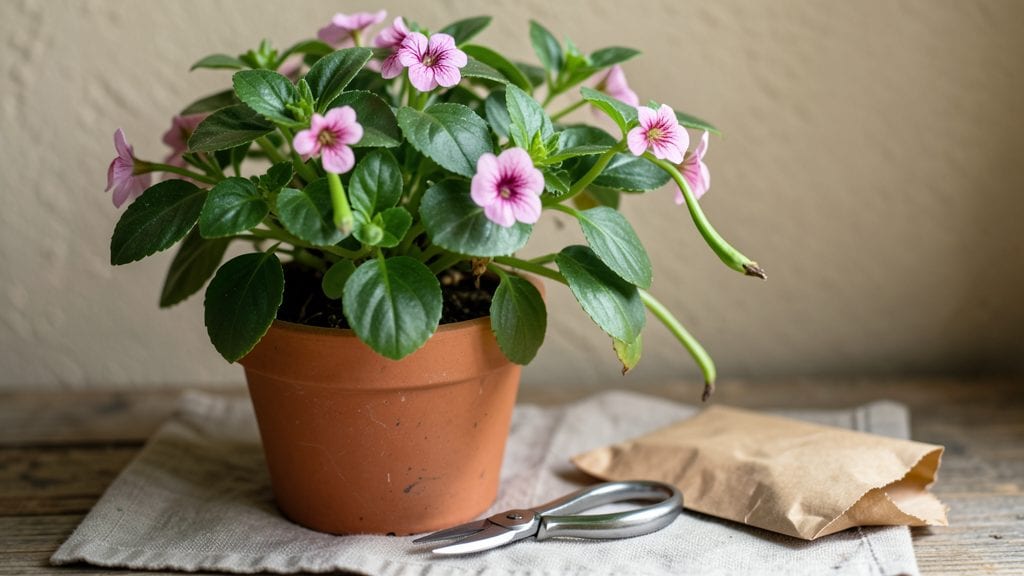
Harvesting impatiens seeds 🌸 requires patience and precision—catching those pods at the right moment means the difference between a stash of viable seeds and a scatter of wasted effort.
Struggling to collect impatiens seeds before their pods crack open and scatter? Timing your harvest correctly can mean the difference between a thriving seed stash and wasted effort—here’s how to do it right.
If you’ve ever watched your 🌸 impatiens plants produce flowers only to see the seed pods vanish into the wind, you know how frustrating it can be. The key is spotting the perfect moment when the pods turn brown and dry but haven’t yet split open.
Below, I’ll walk you through the exact steps to harvest impatiens seeds—from recognizing the ideal maturity stage to storing them properly for next year’s garden.

When to harvest impatiens seeds: identifying the perfect pod maturity stage
Harvesting impatiens seeds at the right moment ensures high viability and prevents wasted effort. These delicate plants produce seeds in dry, papery pods that split open when mature—often scattering seeds before you can collect them. The key lies in recognizing visual and environmental cues that signal readiness.
Start by examining the seed pods after flowers fade. Mature pods turn from green to brown and develop a papery texture. If you gently squeeze a pod and feel seeds rattling inside, it’s nearly ready.
Harvesting too early risks immature, non-viable seeds, while waiting too long means losing seeds to the wind.
Environmental factors also play a role. Ideal harvest conditions include dry, warm weather with low humidity. Avoid harvesting after rain, as moisture can accelerate pod splitting. Morning harvests work best, as dew-free pods dry faster and are easier to handle.
Here’s a quick reference to help you spot the perfect pod maturity stage at a glance:
Pay close attention to the seed color inside the pods. Mature impatiens seeds are dark brown or black, while immature seeds appear light tan or shriveled. If you slice open a pod and see dark, plump seeds, it’s time to harvest.
Use a small knife or scissors to carefully snip pods from the stem without damaging the plant.
Temperature also affects seed maturity. In warmer climates (USDA Zones 8-10), pods mature faster—sometimes in as little as 6-8 weeks after flowering. In cooler zones (Zones 6-7), pods may take 10-12 weeks to reach harvest readiness.
Monitor your local frost dates to avoid losing seeds to early frost.
Humidity is another critical factor. High humidity can cause mold or premature cracking, while dry conditions slow pod drying. Aim to harvest in 50-60% humidity for optimal seed quality. If your area is consistently humid, consider harvesting pods early and drying them indoors with a dehumidifier or fan.
Once pods are fully brown and dry, remove them gently but firmly from the stem. Place them in a paper bag or envelope to allow airflow while preventing seed loss. Store harvested pods in a cool, dry place (like a seed jar) for 1-2 weeks to complete drying before processing.
If you miss the harvest window, don’t despair. Some impatiens varieties, like New Guinea impatiens, produce fewer seeds but can still be propagated from cuttings. For seed-saving purposes, focus on common impatiens (Impatiens walleriana), which yield the most viable seeds when harvested at peak maturity.
Step-by-step method for harvesting impatiens seeds without losing them
Harvesting impatiens seeds at the right moment is an art—wait too long, and the seed pods explode, scattering seeds everywhere. But with the right technique, you can collect viable seeds and store them for next year’s garden.
The key lies in gentle handling and proper drying to preserve seed quality.
Impatiens pods mature quickly, turning from green to brown in just a few days. Once they’re fully brown and slightly papery, they’re ready for harvest. But rushing the process can lead to shriveled seeds or premature cracking. Here’s how to do it right, step by step.
How to Harvest Impatiens Seeds
- Step 1: Wait for Pods to Turn Brown Harvest only when seed pods are fully brown and dry—never green or partially green. Use a magnifying glass to check for dark, plump seeds inside.
- Step 2: Harvest on a Dry Day Pick pods on a sunny, dry morning to prevent moisture from causing mold. Wear gloves to avoid skin oils contaminating seeds.
- Step 3: Gently Twist or Snip Pods Use your fingers to twist pods off or clean pruners for stubborn stems. Avoid crushing pods—this damages seeds.
- Step 4: Spread Pods to Dry Fully Lay pods on a paper towel in a well-ventilated area (like a mesh bag) for 3–5 days. Avoid direct sunlight to prevent overheating.
- Step 5: Extract Seeds Carefully Once pods are completely dry, crack them open with your fingers or a seed envelope. Sift out debris to collect only clean, dark seeds.
- Step 6: Store Seeds in Airtight Containers Place seeds in a paper envelope or glass jar with a silica gel packet to absorb moisture. Label with the harvest date and store in a cool, dark place.
Pro Tip: Harvest early in the day to maximize seed freshness and viability.
One of the biggest mistakes gardeners make is harvesting impatiens seeds too early. If pods are still green or slightly damp, seeds won’t be fully developed, leading to poor germination rates. Always double-check for dark, firm seeds inside before storing.
Another pitfall is storing seeds in plastic bags or humid environments. Moisture causes mold, which ruins seed viability. Instead, opt for paper envelopes or airtight containers with desiccants to keep seeds dry and fresh for up to 2 years.
With these steps, you’ll have a reliable seed stash ready for next season’s impatiens blooms. Happy harvesting! 🌸