
How To
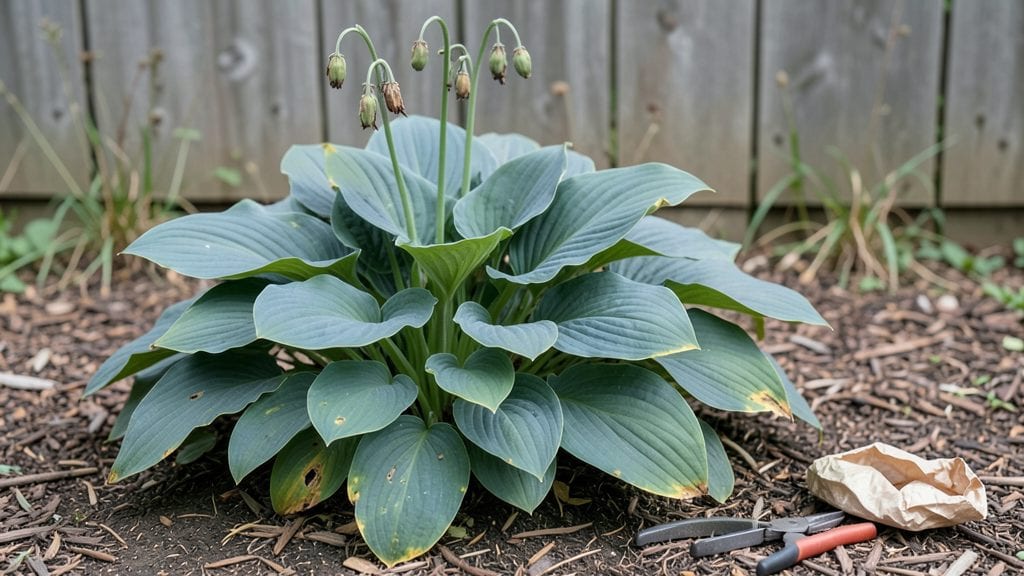
Harvesting hosta seeds at the right time means you could grow rare varieties for free next spring—if you know when those pods are ready.
Hostas 🌿 are famous for their striking foliage, but their seeds hold the secret to expanding your garden with unique cultivars. The catch? Waiting too long or picking too early ruins your chances of viable germination. One wrong move, and you’re left with useless pods instead of future plants.
This guide breaks down the exact signs to watch for—when those seed pods turn brown, split open, and release seeds that’ll sprout into new hostas. You’ll also learn how to store them properly so they stay fresh until planting season.
Skip the guesswork and turn those dried pods into a garden full of surprises. Here’s how to do it right the first time.

When to harvest hosta seeds for maximum germination success
Harvesting hosta seeds at the wrong stage can mean the difference between healthy seedlings and wasted effort. The perfect window occurs when seed pods mature fully but before they release seeds naturally. This usually happens 60-90 days after flowering, typically in late summer to early fall for most USDA zones.
Missing this timing can lead to low germination rates or seeds that won’t sprout at all.
For gardeners in USDA zones 3-9, timing varies slightly based on your climate. In cooler zones (3-5), seeds mature later, often in September or October, while warmer zones (7-9) may see maturity as early as August.
The key is watching for visual cues rather than relying solely on the calendar. These cues tell you exactly when to act.
| Stage | Visual Cues | USDA Zones 3-5 | USDA Zones 6-9 |
|---|---|---|---|
| Early Flowering | Bud formation, white/purple flowers | June-July | May-June |
| Seed Pod Development | Green pods, firm to touch | July-August | June-July |
| Harvest Ready | Brown pods, brittle texture, seeds rattle | Late August-September | August |
| Overripe | Pods split open, seeds scattered | October+ | September+ |
Harvesting too early means seeds are underdeveloped and won’t germinate. Look for brown, dried pods that rattle when shaken—a clear sign seeds are mature. If you wait too long, pods split open, and seeds scatter, reducing your yield.
The ideal moment is when pods turn fully brown but remain intact, usually 2-3 weeks after they stop being green.
One common mistake is confusing seed pod color with maturity. Green pods mean seeds aren’t ready, while brown pods signal readiness. Press a pod gently—if it feels brittle and dry, it’s time to harvest. If it’s still firm, wait another week. This simple test saves hours of frustration later.
In USDA zone 6a (like my garden), I harvest hosta seeds in early September. The pods turn a deep brown, and a gentle shake releases seeds that feel firm and dark.
I avoid harvesting in humid conditions because moisture can cause rot during storage. Instead, I wait for a dry, sunny morning to collect seeds.
For gardeners in warmer zones (7-9), timing shifts earlier. In zone 8, for example, pods mature by late August. The key is monitoring pod color changes rather than dates.
I recommend checking your hosta plants weekly in late summer to catch the perfect moment. Missing it by even a week can mean seeds lose viability.
Harvesting at the right time also depends on your hosta variety. Some, like 'Blue Angel', mature faster than others like 'Francee'. I’ve found that blue-leaved varieties often ripen slightly earlier than green or gold hostas. Keep notes on your specific plants to refine your timing each year.
Once pods are ready, harvest them carefully by twisting or cutting them from the stem. Place them in a paper bag to dry indoors for 1-2 weeks.
This drying process mimics natural conditions and prepares seeds for long-term storage. Skipping this step can lead to mold or poor germination rates.
If you’re unsure whether seeds are ready, perform a float test: Place a few seeds in water. Viable seeds sink, while empty or immature ones float.
This quick check helps you decide whether to harvest or wait. I’ve saved many batches of seeds this way when pods looked close but weren’t quite ready.
Remember, seed viability drops after pods split open. Once seeds scatter, your chances of successful germination plummet. By mastering these cues—color, texture, and timing—you’ll ensure a high-quality seed harvest every year. The effort pays off with unique hosta varieties growing in your garden next spring.
Step-by-step hosta seed harvesting process: from pod to storage
Harvesting hosta seeds at the right moment ensures high germination rates and saves you from wasted effort. The key is patience—wait until seed pods are fully mature but haven’t yet scattered their seeds onto the garden floor.
Once you spot brown, brittle pods with seeds rattling inside, it’s time to act before nature takes over.
Gather your tools: a pair of clean scissors or pruners, a paper bag or envelope for collection, and a drying tray lined with newspaper. Avoid using plastic bags, as they trap moisture and encourage mold. Work on a dry, sunny day to minimize humidity during the process.
-
Step 1: Locate Mature Seed Pods
Scan your hosta plants for brown, dried seed pods that are brittle to the touch. These pods should split open easily when gently squeezed, releasing dark, plump seeds inside.
-
Step 2: Harvest the Pods Carefully
Use clean pruners to snip the entire seed pod from the stem. Place pods directly into a paper bag or envelope to prevent seeds from escaping. Avoid crushing pods, as this can damage the seeds.
-
Step 3: Dry the Pods Thoroughly
Spread the pods on a drying tray lined with newspaper or paper towels in a warm, dry location away from direct sunlight. Allow them to dry for 1-2 weeks until completely crisp. This step ensures moisture removal and prevents mold.
-
Step 4: Extract the Seeds
Once pods are fully dry, gently crush them with your fingers or use a small hammer to release the seeds. Sift through the debris to collect only the dark, firm seeds, discarding any light or shriveled seeds.
-
Step 5: Store Seeds Properly
Place the clean, dry seeds in a paper envelope or breathable container and label it with the hosta variety and harvest date. Store in a cool, dark place like a seed refrigerator or basement at 35-40°F for up to 1 year.
Avoid the common mistake of harvesting green or partially dried pods, as seeds inside will be immature and non-viable. Similarly, waiting too long risks seeds scattering or being eaten by wildlife.
For best results, harvest in late summer or early fall, when pods are fully mature but before frost.
If you’re unsure about seed viability, conduct a simple germination test before planting. Place a few seeds between damp paper towels in a sealed plastic bag and check for sprouts in 2-4 weeks.
This quick check saves time and ensures you’re not wasting garden space on dormant seeds.
With these steps, you’ll have a reliable supply of hosta seeds ready for spring planting, giving you the chance to grow unique varieties without the cost of nursery plants. Happy harvesting!