
Lawn
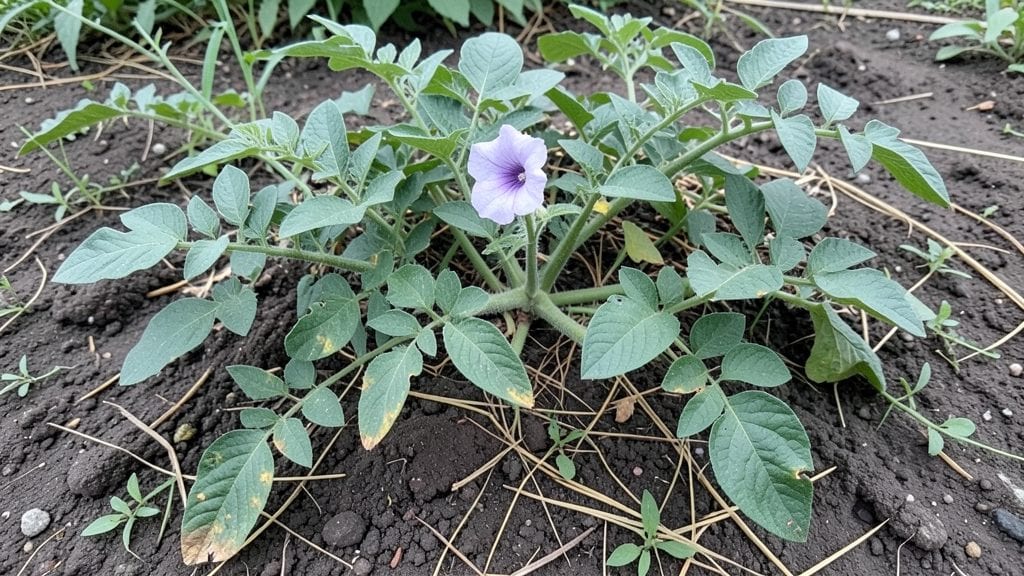
Saving potato seed pods from this year’s harvest means next year’s potatoes could grow even bigger and tastier. 🌱 I’ve turned my kitchen scraps into a thriving potato patch by mastering the simple art of harvesting and drying these little powerhouses—no fancy equipment needed.
The process starts with selecting the best tubers, then carefully drying the pods to preserve their viability. You’ll need just a few supplies: a well-ventilated space, some paper towels, and patience. Most beginners can successfully grow potatoes from seed pods in just a few weeks of preparation before planting.
By spring, you’ll watch those dried pods sprout into sturdy plants that produce potatoes with fewer diseases and better flavor than store-bought varieties. The first harvests are always the most rewarding—imagine digging up your own homegrown spuds after just a few months of care.
This method works in most climates and even small gardens, though cooler regions may need a head start indoors. Whether you’re a first-time gardener or a seasoned pro, these seed pods could be your secret weapon for a bountiful harvest next year.
The Science Behind Unexpected Seed Pods
If you’ve ever spotted strange, pod-like structures forming on your potato plants—especially when you expected tubers—you’re not alone! These unexpected growths, often called seed pods or flowering structures, can be puzzling.
But don’t worry: understanding the why behind them helps you manage your garden smarter. Below, we break down the key triggers and their scientific roots.
Potatoes (Solanum tuberosum) are designed to focus energy on tuber growth, not reproduction—but stress or environmental cues can force them to flower early. Here’s what trips the switch:
- Day length (photoperiod): Short-day or long-day potato varieties respond to light exposure. If your region’s daylight shifts (e.g., early spring or late summer), plants may perceive it as "time to reproduce" and bolt—sending energy to flowers and seed pods instead of tubers.
- Temperature swings: Cold snaps followed by heat (like spring frost then sudden warmth) confuse the plant’s internal clock. Research shows potatoes exposed to below 50°F (10°C) for weeks then warmed to 75°F+ (24°C) are prone to premature flowering.
- Stress from drought or overwatering: Both extremes disrupt nutrient flow. Drought triggers abscisic acid (a stress hormone) that signals "reproduce now," while soggy soil can rot roots, forcing the plant to prioritize seed production over tubers.
💡 Pro Tip: If you’re growing short-day varieties (common in warmer climates), plant them in partial shade during hot spells to delay flowering. For long-day types, use row covers to extend the "cool season" window.
Not all potatoes are created equal—and some are hardwired to produce seed pods. Here’s the breakdown:
| Type of Potato | Seed Pod Risk | Why It Happens |
|---|---|---|
| Store-bought "seed potatoes" (from grocery stores) | ⚠️ High (if not certified) | These are often table potatoes treated with sprout inhibitors or exposed to inconsistent growing conditions. Their genetics may favor flowering to ensure survival. |
| Certified organic seed potatoes | ✅ Low to moderate | Bred for tuber production, but some heirloom varieties (like Red Pontiac or Yukon Gold) still bolt if stressed. |
| Heirloom or wild-type potatoes | 🔥 Very high | These retain ancestral traits to produce seed pods easily, as they’re closer to their wild relatives (Solanum chacoense). |
🔥 Action Step: If you’re saving seeds, select non-flowering plants from your harvest—their offspring will be more reliable for tubers. For commercial grows, stick to certified disease-free seed stock to minimize genetic surprises.
When potatoes sense danger, they may abort tuber growth to focus on seed production—a last-ditch survival tactic. Common culprits:
- Viral infections (e.g., Potato Virus Y, PVY): Viruses disrupt the plant’s phytohormone balance, causing stunted growth and premature flowering. Infected leaves often show mosaic patterns or stunting before pods appear.
- Fungal attacks (e.g., blight, scab): Fungi like Phytophthora infestans (late blight) trigger ethylene gas production, accelerating senescence (aging) and seed pod formation.
- Root damage from nematodes or cutworms: Chewed roots or cyst nematodes starve the plant, forcing it to prioritize above-ground reproduction over underground storage.
🌡️ Prevention Checklist:
- Rotate crops—never plant potatoes in the same spot two years in a row.
- Use row covers early in the season to block pests like flea beetles.
- Test soil for nematodes if pods appear year after year in the same bed.
Potatoes are heavy feeders, and when their diet is off, they may "think" it’s time to reproduce. Key nutrient red flags:
- Low phosphorus (P): Phosphate deficiency (dark green leaves with purple stems) signals the plant to shift energy to reproductive growth instead of tubers.
- Excess nitrogen (N) late in the season: Too much N early = lush foliage, but applied after flowering can trigger secondary growth—including seed pods.
- Potassium (K) deficiency: Weak stems and edge scorching on leaves force the plant to conserve energy, often by producing seeds.
✨ Soil Test Hack: Aim for a balanced NPK ratio (e.g., 5-10-10) and add compost or bone meal at planting for phosphorus. Avoid high-N fertilizers after 6 weeks of growth.
Fixing common seed pod issues
Now that you understand why potato seed pods might not thrive, let’s tackle the solutions—practical, step-by-step fixes to ensure your next harvest is bountiful. Whether you’re dealing with pests, diseases, or environmental challenges, these fixes will help you salvage your current crop and prevent future setbacks.
If bugs like Colorado potato beetles, aphids, or wireworms are munching on your seed pods, act fast to protect your plants.
How to Fix It:
- Handpick pests 👨🍳: Early in the morning, inspect your plants and remove beetles or larvae by hand. Drop them in soapy water to eliminate them.
- Use row covers 🛡️: Lightweight fabric covers block pests while allowing sunlight and water through. Install them before flowers appear.
- Apply organic sprays 🌿: Neem oil or insecticidal soap (spray in the evening) disrupts pest life cycles without harming plants.
- Encourage natural predators 🐞: Ladybugs and lacewings eat aphids. Plant marigolds nearby to attract them.
Prevention Tips: ✅ Rotate crops yearly to starve pests of their favorite hosts. ✅ Plant trap crops like mustard greens to lure pests away from potatoes.
If your seed potatoes aren’t sprouting well or the sprouts are weak, soil conditions or storage issues might be to blame.
How to Fix It:
- Check seed quality 🔍: Ensure your seed potatoes are firm, disease-free, and have healthy sprouts. Discard any that are soft, moldy, or shriveled.
- Pre-sprout indoors 🌱: Place seed potatoes in a bright, cool spot (55–65°F) for 2–4 weeks to encourage strong sprouts before planting.
- Adjust planting depth 🏔️: Plant seed potatoes 4–6 inches deep in loose, well-draining soil. Overly deep planting can suffocate sprouts.
- Warm the soil ☀️: If your climate is cool, use black plastic mulch or a cold frame to speed up germination.
Prevention Tips: ✅ Store seed potatoes in a dark, cool (40–50°F), humid place until planting. ✅ Test soil pH (aim for 5.0–6.5) and amend with compost if needed.
Diseases like blight, scab, or blackleg can ruin seed pods if left unchecked.
How to Fix It:
- Remove infected plants 🚫: Pull up and destroy any plants showing signs of disease (burn or compost them away from the garden).
- Apply copper fungicide 💊: Spray preventatively every 7–10 days during wet seasons.
- Improve airflow 🌬️: Space plants 12–18 inches apart and avoid overhead watering to reduce humidity.
- Use resistant varieties 🛡️: Choose disease-resistant seed potatoes (e.g., ‘Red LaSoda’ for scab resistance).
Prevention Tips: ✅ Sterilize tools between plants with rubbing alcohol. ✅ Avoid watering at night to let foliage dry quickly.
Yellowing leaves or stunted growth? Your potatoes might be hungry.
How to Fix It:
- Test soil nutrients 📊: Use a home test kit or send a sample to a lab. Potatoes need balanced nitrogen (N), phosphorus (P), and potassium (K).
- Add compost or fertilizer 🌿: Mix in 2–3 inches of compost at planting. Side-dress with a low-nitrogen fertilizer (like 5-10-10) when flowers appear.
- Mulch heavily 🍂: Use straw or grass clippings to retain moisture and suppress weeds, which compete for nutrients.
Prevention Tips: ✅ Plant green manures (like clover) in the off-season to replenish soil. ✅ Rotate with legumes (peas, beans) to boost nitrogen naturally.
Extreme heat, drought, or poor drainage can stress seed pods.
How to Fix It:
- Water consistently 💦: Keep soil moist (1–2 inches deep) but not waterlogged. Use drip irrigation to avoid wetting leaves.
- Shade in hot climates 🌞: Use shade cloth (30–50%) if temperatures exceed 85°F.
- Drainage check 🚧: If soil is clay-heavy, amend with sand or plant on a slight mound.
Prevention Tips: ✅ Plant in spring or fall to avoid peak summer heat. ✅ Choose early-maturing varieties for shorter growing seasons.
Pro Tip: 💡 Keep a garden journal! Track what works (and what doesn’t) each season to refine your approach year after year. With these fixes, your potato seed pods will be thriving in no time!
Frequently asked questions about potato seed pods
What exactly are potato seed pods, and how do they differ from regular potatoes?
Potato seed pods are small, green berries that form when potato plants flower. Unlike tubers (the edible potatoes we eat), these pods contain true seeds—each pod holds dozens of tiny seeds. While tubers grow underground, seed pods develop above ground and are part of the plant’s reproductive cycle. The seeds inside can be planted to grow new potato plants, but they often produce different varieties than the parent tuber.
Can I eat potato seed pods?
No, potato seed pods are not edible and can be toxic if consumed. They contain solanine, a natural compound that’s harmless in small amounts but can cause stomach upset or other issues if eaten in large quantities. Focus on harvesting the tubers instead—they’re the safe, delicious part of the potato plant!
How do I harvest and dry potato seed pods for next year’s planting?
Start by picking fully ripe pods when they turn yellow or brown. Remove them carefully and place them in a single layer on paper towels or a screen in a dry, well-ventilated spot for 1-2 weeks. Once completely dry, store the pods in a cool, dark place (like a sealed jar) until planting season. Proper drying ensures the seeds stay viable for up to 2 years.
Why are my potato plants producing seed pods instead of tubers?
Seed pods form when potato plants sense stress, like extreme heat, cold snaps, or nutrient deficiencies. Long daylight hours or improper watering can also trigger flowering. To encourage tuber growth, focus on consistent moisture, balanced fertilizer, and planting in the right season for your climate. Avoid over-fertilizing with nitrogen late in the season.
How long does it take for potato seeds from pods to grow into mature plants?
Potato seeds from pods typically sprout in 10-14 days when planted indoors at 70°F. Once transplanted outdoors, expect 90-120 days to harvest tubers, depending on the variety. Early-maturing types like ‘Yukon Gold’ may produce smaller tubers faster, while heirloom varieties take longer but yield larger potatoes.