
Size
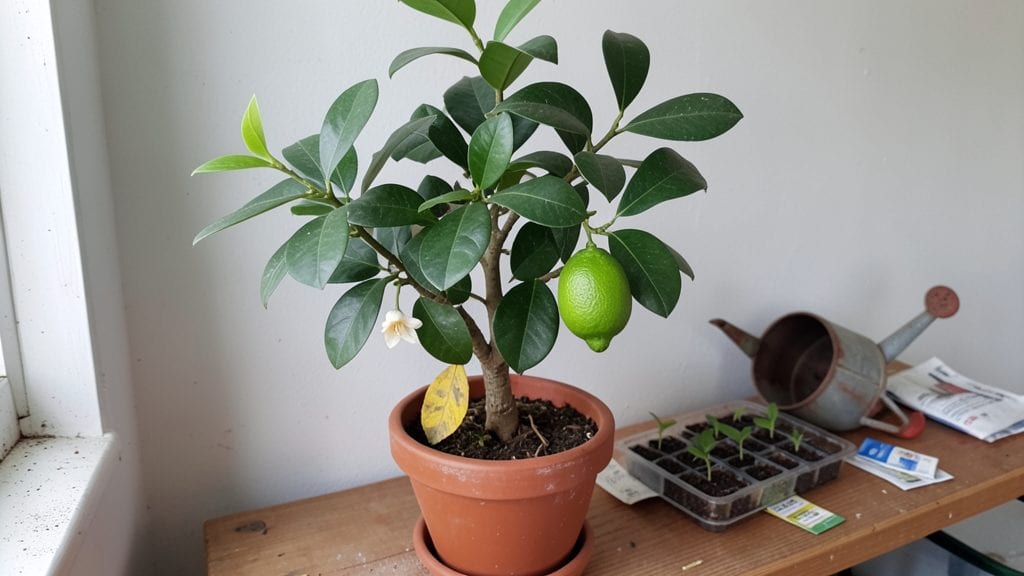
Growing lemon seeds indoors turns your kitchen window into a fragrant little orchard—though it takes real patience before you see that first real lemon. 🌱 I’ve watched tiny seeds sprout into leafy green bushes that smell like summer, and the process is simpler than you’d think, even if the fruit might take years to appear.
The key is mimicking the Mediterranean climate those seeds came from: bright light, warm temperatures, and just enough water to keep things happy without drowning the roots.
You’ll need a few basic supplies: a seed from a fresh lemon (not pasteurized), a small pot with drainage, well-draining potting mix, and a spray bottle for gentle watering.
The trickiest part is keeping the soil consistently moist but not soggy during germination—think of it like a damp sponge, not a swamp.
Once the seedling pops up, you’ll want to move it to a sunny spot where it gets at least 6 hours of light daily, or supplement with a grow light if your window isn’t bright enough.
Within 6 weeks, you’ll have a sturdy little tree with glossy leaves that smell like sunshine. It won’t bear fruit for years, but the journey is half the fun—pruning to shape it, watching it outgrow its pot, and maybe even gifting cuttings to friends.
The real reward? A living piece of citrus magic that thrives on your windowsill, even in winter. Here’s how to keep it growing strong.
Now, here’s the thing about lemon trees from seed—they’re unpredictable. Some grow fast, some take their time, and none will fruit quickly. But that’s part of the charm: you’re growing something rare and alive, not just another houseplant.
Stick with it, and you’ll have a lush, fragrant centerpiece that’s all yours.
📚 In This Guide
- What you need
- Instructions
- Tips and common mistakes
- Wrapping up and next steps
What you need
- ● Lemon seeds: 3–5 fresh, plump seeds (harvested from organic lemons for best results).
- ● Small pots or containers: 3–4 (4–6 inches in diameter) with drainage holes. Tip: Use biodegradable pots if you plan to transplant later!
- ● Well-draining potting mix: 2–3 bags (look for a blend labeled "seed starting mix" or "citrus-friendly soil").
- ● Watering can or spray bottle: With a fine mist nozzle for gentle hydration.
- ● Clear plastic wrap or humidity dome: To create a mini greenhouse effect.
- ● Grow lights or a sunny windowsill: 6+ hours of bright, indirect light daily (south-facing window ideal).
- ○ Fertilizer (optional but helpful): A balanced liquid fertilizer (5-5-5 or 10-10-10) diluted to half-strength.
- ● Seedling heat mat: Keeps soil warm (70–85°F) for faster germination.
- ● Humidity tray: A shallow tray with pebbles and water to boost moisture.
- ● Plant labels: To track seed varieties (if growing multiple types).
- ● Pruning shears: For trimming leggy growth later.
- ● Citrus-specific fertilizer: Once seedlings are 3–4 inches tall.
Step-by-Step instructions for growing lemon seeds indoors
Here’s how to turn those kitchen scraps into a sunny windowsill citrus tree.
🌱 Step 1: Extract and Clean the Seeds
Start with fresh lemons—older seeds germinate poorly. Cut the fruit in half and scoop out the seeds, rinsing them in cool water to remove any pulp. I like to soak them for 10 minutes in a bowl of water, swirling gently to loosen any sticky residue. This ensures they won’t rot later.
Spread the seeds on a clean paper towel and let them air-dry for 1-2 hours at room temperature. You’ll know they’re ready when they feel slightly dry to the touch but don’t crumble. This step prevents mold from forming when you plant them.
🪴 Step 2: Prepare Small Pots and Soil
Use 4-inch diameter pots with drainage holes—one per seed is ideal, but you can plant two seeds per pot if you’re okay with thinning later. Fill each pot halfway with a mix of 50% potting soil and 50% perlite to improve drainage. Lemon seeds hate soggy roots.
Moisten the mix lightly with water until it’s damp but not wet. Press down gently to settle it, leaving about 1 inch of space at the top. Plant each seed ½ inch deep, covering it with soil. I tap the pot gently on the table to help the soil settle around the seed.
💧 Step 3: Create a Warm, Moist Environment
Place the pots in a warm spot, ideally 70-75°F. A seedling heat mat set to 75°F speeds up germination, but a sunny windowsill works too. Cover each pot with a clear plastic bag or humidity dome to trap moisture—this mimics the tropical conditions lemons love.
Check the soil daily and mist lightly if it feels dry. You’ll see sprouts in 2-4 weeks, but don’t rush to remove the cover yet. Wait until you spot first true leaves (not the initial seed leaves) before uncovering them gradually over 3-5 days.
☀️ Step 4: Move to Bright Light and Rotate Daily
Once seedlings emerge, place them in the sunniest window you have—south-facing is best. Lemon trees need 6-8 hours of direct light daily, so supplement with a grow light if natural light is weak. Keep the pots 2-3 inches from the glass to prevent leggy growth.
Rotate the pots a quarter turn every few days so the seedlings grow straight, not lopsided. You’ll notice new leaves forming in 4-6 weeks. This is when you can start fertilizing lightly with a diluted balanced liquid fertilizer (half-strength) every 4-6 weeks.
✂️ Step 5: Prune and Train for a Bushy Shape
When your seedlings reach 6-8 inches tall, pinch off the top set of leaves to encourage branching. This trick forces the plant to grow wider instead of just taller. I also remove any yellow or wilted leaves immediately—they sap energy from the plant.
If you planted two seeds per pot, thin to the stronger seedling once both are 3-4 inches tall. Use clean scissors to snip the weaker stem at the base, leaving the stronger one to thrive. This step prevents overcrowding and ensures your lemon tree grows robustly.
Tips & tricks for growing lemon seeds indoors
Here's what I've learned after watching dozens of lemon seeds sprout—and which mistakes to avoid when starting your own citrus tree.
The Cleaning Factor: Don't skip that 10-minute soak in Step 1! The sticky lemon pulp can trap moisture and cause mold. I learned this the hard way when my first batch of seeds developed fuzzy white spots. After drying, gently rub the seeds between your fingers to remove any remaining pulp—this extra step makes all the difference for healthy germination.
Soil Mix Strategy: That 50/50 potting soil and perlite mix in Step 2 isn't just about drainage—it's about creating the perfect air-to-moisture balance. Lemon seeds need their roots to breathe, or they'll suffocate. If you don't have perlite, coarse sand works in a pinch, but reduce to 30% sand instead of 50% to prevent compaction.
Warmth Secret: The 70-75°F range in Step 3 is critical because lemon seeds come from tropical climates. If your home runs cooler, place the pots on a heating pad set to "low" or move them closer to a sunny window where warmth collects. I've seen germination times double when seeds are kept too cool—patience is key, but warmth speeds up the process dramatically.
Light Transition: When moving seedlings to bright light in Step 4, do it gradually over 3-5 days. Sudden exposure can shock young plants. I start by moving them to the brightest spot for just an hour on day one, then increase by 30 minutes daily. This helps prevent sunburn while still encouraging strong growth. Keep those pots 2-3 inches from the glass—closer means faster growth, but too close causes overheating.
Pro Tips for Grow Lemon Seeds Indoors
- Here's what I've learned after watching dozens of lemon seeds sprout—and which mistakes to avoid when starting your own citrus tree.
- The Cleaning Factor: Don't skip that 10-minute soak in Step 1!
- Soil Mix Strategy: That 50/50 potting soil and perlite mix in Step 2 isn't just about drainage—it's about creating the perfect air-to-moisture balance.
Frequently asked questions
about growing lemon seeds indoors—because every gardener deserves a little clarity!How long does it take for lemon seeds to sprout indoors?
Most lemon seeds sprout within 10–21 days if kept warm (around 70°F/21°C) and moist. Patience is key—some stubborn seeds may take up to 30 days. If nothing happens after a month, they might not be viable. Try fresh seeds for better luck!
Can I grow a lemon tree indoors from a grocery store lemon?
Store-bought lemons are perfect for indoor growing. Just rinse the seeds to remove pulp, dry them, and plant them. However, commercial lemons are often hybrids, so your tree may produce small, tart fruit (or none at all). For better fruit quality, use seeds from organic or heirloom lemons.
Why are my lemon seedling leaves turning yellow?
Yellow leaves usually signal overwatering or nutrient deficiency. Let the top inch of soil dry out between waterings, and ensure the pot has drainage holes. If the yellowing spreads, it could be chlorosis (iron deficiency)—try adding a citrus-specific fertilizer or a spoonful of Epsom salt to the soil.
Do I need to buy special soil for lemon seeds?
Not necessarily! A well-draining potting mix (like a 50/50 blend of peat moss and perlite) works well for germination. Once the seedling grows, switch to a citrus-specific mix or add compost for nutrients. Avoid heavy garden soil—it can cause root rot.
How big can an indoor lemon tree grow?
Indoors, lemon trees typically stay 3–6 feet tall with proper pruning. Without care, they can grow taller, but they’ll need bright light, humidity, and occasional repotting. Dwarf varieties (like ‘Meyer’ lemons) are ideal for small spaces—just check seed sources for size hints!
Can I grow other citrus seeds the same way?
Yes! Follow the same steps for oranges, limes, and grapefruits. However, navel oranges and grapefruits are sterile and won’t produce fruit. For best results, use seeds from organic, non-hybrid citrus. Just adjust watering—lime trees, for example, prefer slightly drier soil than lemons.
Wrapping up and next steps
Growing lemon seeds indoors is a rewarding journey that brings a taste of sunshine to your home—literally! 🌱 With patience, the right care, and a little sunlight, you’ll soon enjoy fresh, homegrown lemons (or at least the thrill of nurturing a tiny citrus tree).
Start small, stay consistent, and don’t forget to celebrate every milestone, from sprouts to leaves!
Next up: Share your progress with fellow plant enthusiasts or explore advanced tips to keep your lemon tree thriving for years. Happy growing! 🌟