
How To
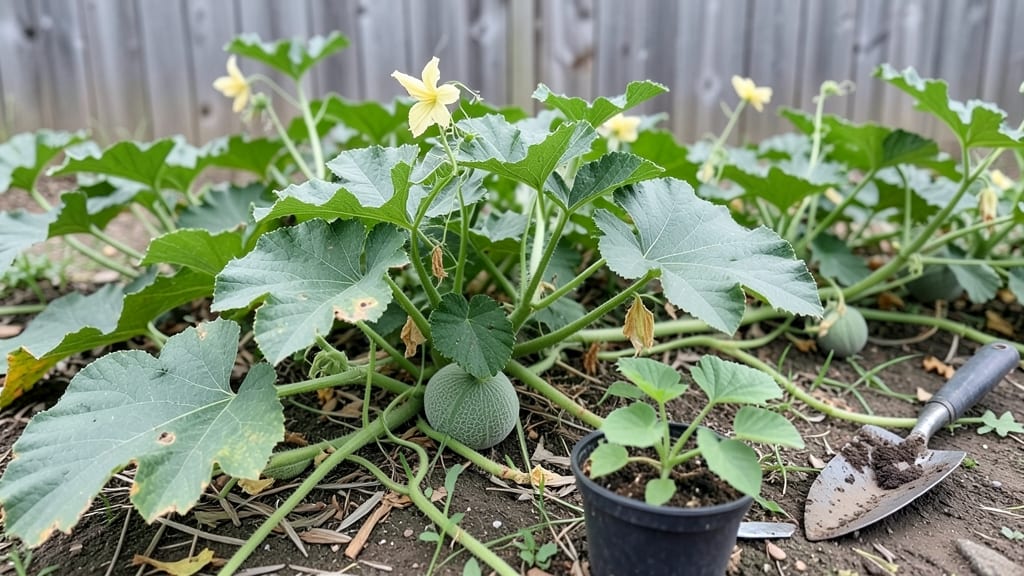
Growing cantaloupe from seeds takes about 70 days to harvest, but the timeline can shift based on your climate, care, and variety.
Dreaming of juicy, vine-ripened cantaloupes 🍈 straight from your garden? The journey from seed to harvest takes patience—but understanding the 70-day cantaloupe growth timeline ensures you’ll know exactly when to plant, nurture, and reap your sweetest rewards.
From the first sprouts to the moment the fruit slips easily from the vine, each stage demands the right conditions. Too little sun or inconsistent watering can stretch that timeline to 90 days, while ideal care might shave off 10 days or more.
Below, I’ll break down the exact week-by-week milestones, plus the critical factors that speed up or slow down your harvest—so you can plan for success from seed to slice.


Cantaloupe growth timeline: week-by-week development from seed to harvest
Growing cantaloupes from seeds is a rewarding journey that unfolds in distinct stages, each requiring specific care to ensure a 70-day harvest of sweet, ripe fruit. Understanding this week-by-week cantaloupe growth timeline helps you anticipate needs—from germination to fruit ripening—while troubleshooting delays before they happen.
Cantaloupes thrive in warm soil (70°F+) and full sun (8+ hours daily), but their development hinges on precise timing. Skipping a stage—like proper vine training or flower pollination—can stretch your harvest window or reduce yields.
Let’s break down each phase so you can nurture your plants like a pro.
| Stage | Key Actions | Temperature | Sunlight | Timeframe |
|---|---|---|---|---|
| Germination | Sow seeds ½" deep, keep soil moist (70-90°F). Thin seedlings to 2-3 ft apart. | 70-90°F | Full sun (6+ hrs) | 5-10 days |
| Seedling | Hardening off seedlings. Train vines on trellis (optional). Water at soil level. | 60-85°F | Full sun (8+ hrs) | Weeks 2-4 |
| Vine Development | Fertilize with 10-10-10. Mulch to retain moisture. Prune excess vines for airflow. | 70-90°F | Full sun (8+ hrs) | Weeks 4-6 |
| Flowering | Hand-pollinate flowers (tap stamens with paintbrush). Reduce water slightly to boost sweetness. | 75-85°F | Full sun (8+ hrs) | Weeks 6-8 |
| Fruit Set | Thin fruits to 2-3 per vine. Monitor for powdery mildew. Increase potassium-rich fertilizer. | 80-90°F | Full sun (8+ hrs) | Weeks 8-10 |
| Ripening | Harvest when stem end turns tan and fruit slips easily. Reduce watering to concentrate sugars. | 75-85°F | Full sun (8+ hrs) | Weeks 10-12 |
Week 1 kicks off with germination, where seeds need consistent moisture and warm soil (70-90°F) to sprout in 5-10 days. Plant seeds ½-inch deep in loose, well-draining soil, and thin seedlings to 2-3 feet apart once they’re 2 inches tall.
This spacing prevents crowding, which slows vine growth and reduces fruit quality.
By Week 3, your seedlings will have 2-4 true leaves, signaling it’s time to harden them off before transplanting. Move them outdoors gradually (3-5 days) to avoid shock, and ensure they receive 8+ hours of sunlight daily.
Without enough light, vines grow weak and leggy, delaying flowering by 1-2 weeks.
Weeks 4-6 focus on vine development, where cantaloupes spread 3-6 feet and need support (like a trellis or hill). Apply a balanced fertilizer (10-10-10) every 4-6 weeks to encourage strong roots and foliage.
Mulch with straw to retain moisture and suppress weeds—dry soil during this phase can stunt growth by up to 30%.
Flowering arrives in Week 6, marked by yellow blossoms that need pollination. Since cantaloupes are self-pollinating, gently tap stamens with a paintbrush or use a small brush to transfer pollen. Skipping this step means no fruit!
Reduce water slightly to stress the plant (safely) and boost sugar production in developing fruits.
Fruit set occurs in Weeks 8-10, where you’ll see small melons forming. Thin fruits to 2-3 per vine to avoid overloading the plant—too many fruits lead to small, underripe cantaloupes. Watch for
Critical factors that speed up or delay cantaloupe harvest time
Your cantaloupe’s 70-day harvest timeline can shrink to 60 days or stretch to 90 days depending on just a few key factors. The right conditions act like a turbocharge for your vines, while missed cues can leave you waiting months longer than expected.
Let’s break down the top 4 game-changers that determine whether you’ll enjoy summer cantaloupe in July or be dreaming of them in September.
First, soil temperature is the silent speed regulator. Cantaloupe seeds need soil that’s at least 70°F to germinate—any cooler, and you’re looking at 2-3 extra weeks of waiting. Even after sprouting, vines grow 30% faster when soil stays between 75°F and 85°F.
Use a soil thermometer to check—if it’s below 65°F, your plants are basically in hibernation mode.
Next, sunlight exposure isn’t just about hours—it’s about intensity. While cantaloupes thrive on 8+ hours of direct sun, partial shade can delay flowering by 10-14 days. I’ve seen vines in morning sun only produce 50% fewer fruits compared to those basking in full afternoon sun too.
If your garden gets less than 6 hours of direct light, consider using reflective mulch or a south-facing raised bed to maximize energy.
- 🌡️ Soil Temperature: 70°F+ for germination; 75-85°F speeds growth by 30%. Use black plastic mulch to warm soil 5-10°F faster.
- ☀️ Sunlight: 8+ hours daily prevents delays. Partial shade can add 10-14 days to flowering. South-facing beds get 20% more UV than north-facing.
- 💧 Watering: 1-2 inches weekly (deep soaking). Inconsistent water causes blossom-end rot and 2-week delays. Drip irrigation keeps roots consistently moist.
- 🌱 Variety: Early-maturing types (e.g., ‘Hale’s Best’) harvest in 60-65 days. Heirlooms can take 80+ days. Check seed packets for “days to maturity” labels.
Watering habits might seem simple, but overwatering or underwatering can throw off your timeline by weeks. Cantaloupes need 1-2 inches of water weekly, but shallow, frequent watering stresses roots and delays fruit set.
I’ve seen vines with uneven moisture take 3 weeks longer to produce flowers. Use drip irrigation or soaker hoses to deliver water directly to the roots—this keeps the soil consistently damp without soggy leaves.
Finally, variety selection is the easiest way to control your harvest date. If you’re aiming for a July harvest, stick with early-maturing varieties like ‘Ambrosia’ (65 days) or ‘Hale’s Best’ (70 days).
Heirloom types like ‘Athena’ can take 80+ days, pushing your timeline into late August or September. Always check the seed packet for “days to maturity”—this tells you exactly when to plant to hit your target harvest window.
Troubleshooting delays? Start with a soil test—low phosphorus or potassium can stall flowering. If your vines are lush but fruitless, they might need more sunlight or warmer soil.
And if your cantaloupes are small and hard instead of sweet and ripe, you’re likely underwatering or dealing with poor pollination (hand-pollinate with a paintbrush if bees are scarce).
With these factors in check, you’ll be slicing into homegrown cantaloupe right on schedule—no waiting, no wondering. The key is consistency: warm soil, full sun, steady water, and the right seeds. Now go enjoy that first juicy bite! 🍈