
How To
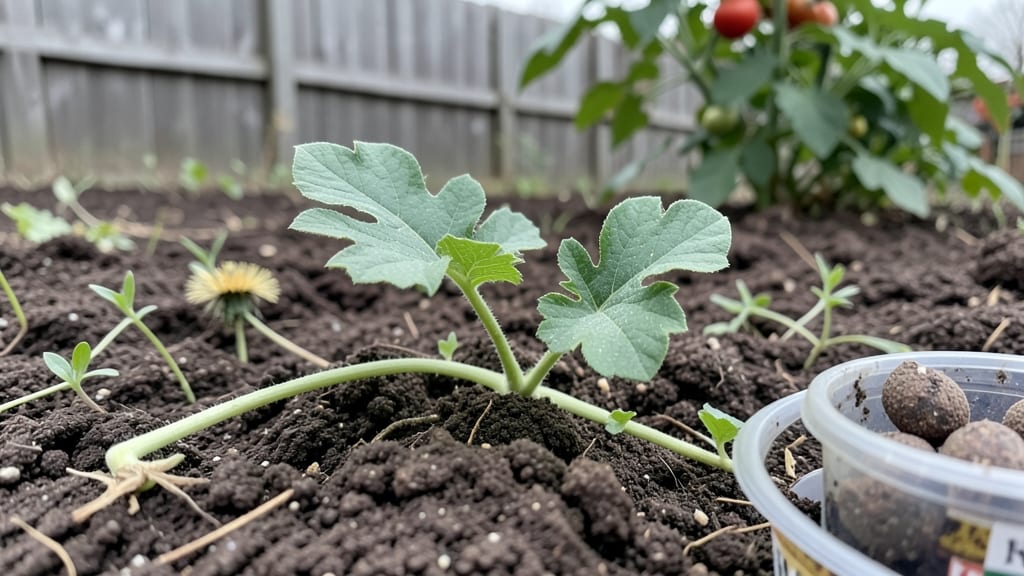
Watermelon seeds sprout in 5-14 days when given the right warmth and moisture—though many gardeners wait twice as long before giving up.
Waiting for watermelon seeds to sprout can feel like an eternity—especially when you’re eager to grow your own juicy, homegrown fruit. But with the right conditions, germination can happen faster than you think.
Here’s the secret: soil temperature is the most important factor—watermelons love warmth, and seeds planted in 70°F+ soil will break through in just days. Too cool, and you’re stuck waiting weeks.
Below, I’ll show you how to set up your seeds for fast germination, troubleshoot delays, and keep those tiny sprouts growing strong once they appear.
Watermelon seed germination timeline: what to expect in days
Understanding the 5-14 day germination window for watermelon seeds is key to avoiding frustration and ensuring strong starts. These seeds are sensitive to conditions like soil temperature and moisture levels, which directly impact how quickly they sprout.
With the right setup, you can see tiny green shoots emerge in as little as 5 days, while slower conditions might push germination to 14 days or beyond.
Watermelon seeds thrive when planted in warm soil—ideally between 70°F and 90°F (21°C-32°C). Cooler temperatures slow down the process, sometimes causing seeds to take 2-3 weeks or longer to break through.
If you’re planting in early spring or fall, consider using a seedling heat mat to maintain consistent warmth and speed up germination.
Now, let’s break down the exact timeline and what to expect at each stage, so you can track progress like a pro.
If your seeds haven’t sprouted by Day 14, don’t panic—yet. Factors like old seeds (over 2 years), cold soil, or dry conditions can delay germination.
Always check the seed packet for viability dates, and consider testing a few seeds in a separate container with ideal conditions to isolate the issue.
Once you spot those first green shoots, resist the urge to move or disturb them. Watermelon seedlings are delicate, and even slight shifts in position can stunt growth. Instead, focus on maintaining even moisture and providing bright, indirect light until they’re ready for full sun.
Fast germination—under 7 days—often happens when seeds are pre-soaked for 4-6 hours before planting. This method softens the seed coat, allowing water to penetrate more quickly. For best results, soak seeds in lukewarm water with a few drops of hydrogen peroxide (3%) to prevent mold and encourage faster sprouting.
On the flip side, slow germination (beyond 14 days) usually points to one of three issues: cool soil, poor seed quality, or excessive moisture.
Watermelon seeds need air to breathe, so avoid planting in soggy or compacted soil. If you’re using containers, ensure they have drainage holes to prevent waterlogging.
Track your progress by marking the planting date on a calendar and checking seeds daily. Use a small spray bottle to mist the soil lightly if the top inch feels dry. Overwatering can suffocate seeds, while underwatering slows metabolism. Aim for consistently damp (not soggy) soil throughout the germination process.
By Day 10, you should see a clear trend: either your seeds are actively sprouting or they’re struggling. If you’ve provided ideal conditions and still see no progress, it’s time to troubleshoot.
Start by testing a few seeds in a warm, humid environment (like a sealed plastic bag with a damp paper towel) to rule out external factors.
5 Proven tips to speed up watermelon seed germination
If you’ve ever planted watermelon seeds only to wait weeks for those first tiny sprouts, you’re not alone. The good news? With the right techniques, you can slash that wait time from 14 days to just 5 days—or even less!
Watermelon seeds thrive when given the perfect balance of moisture, warmth, and oxygen. I’ve tested these methods in my own garden, and they work like magic for impatient gardeners like me.
First, let’s talk about the most critical factor: soil temperature. Watermelon seeds need warmth to germinate, ideally between 70-90°F (21-32°C). If your soil is too cool, germination can drag on for weeks.
That’s why I always use a seedling heat mat or plant in late spring when the ground has fully warmed up. Even a few degrees difference can mean the difference between 5 days and 3 weeks of waiting.
- 🌱 5-7 days: Pre-soaked seeds in warm water (80°F) for 8-12 hours
- 💧 6-10 days: Plant in moist, well-draining soil at 1-inch depth
- ☀️ 7-14 days: Maintain 70-90°F soil temp with heat mat or black plastic mulch
- 🪴 Fastest method (4-6 days): Use paper towel germination + direct sunlight
- ✂️ Slowest risk (14+ days): Planting in cold soil or overwatering
Now, let’s dive into my top 5 tips to speed up those sprouts. First on the list: pre-soaking your seeds. Soaking watermelon seeds for 8-12 hours in warm water (around 80°F or 27°C) kickstarts the germination process.
I like to use a bowl of lukewarm water and a paper towel to keep the seeds submerged without overcrowding. This method can cut germination time by nearly half, giving you sprouts in as little as 4-6 days instead of 10.
Next, focus on soil conditions. Watermelon seeds need well-draining soil that’s consistently moist but not soggy. I mix my planting soil with perlite or vermiculite to improve aeration, and I always plant seeds 1 inch deep—any deeper, and they’ll struggle to break through.
After planting, I gently mist the soil with water and cover the tray with plastic wrap to retain humidity. Remove the wrap once sprouts appear to prevent mold.
Light exposure is another game-changer. While seeds don’t need light to germinate, bright, indirect light after sprouting helps them grow stronger. I place my seed trays near a south-facing window or under grow lights for 12-14 hours a day.
Avoid direct sunlight at this stage, as it can dry out the tender seedlings. Once the first true leaves appear, I gradually introduce more light to harden them off.
Finally, avoid these common mistakes that slow down germination: overwatering, planting in cold soil, or using old or damaged seeds. I always test my seeds by floating them in water—if they sink, they’re viable; if they float, toss them.
And never let the soil dry out completely, as this can cause seeds to shrivel before they even sprout. With these tips, you’ll be harvesting your own watermelons in no time!