
Propagation
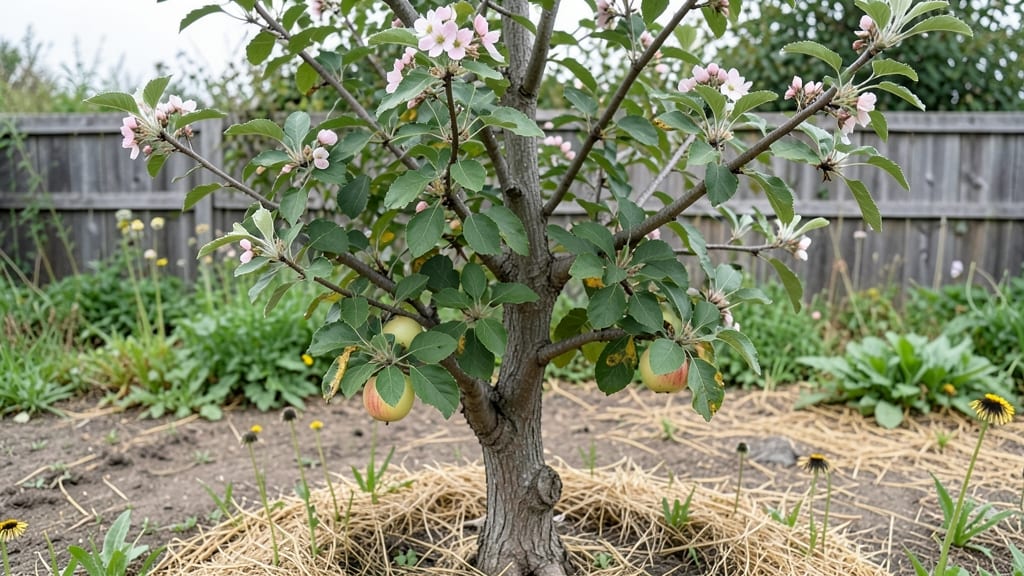
Growing Fuji apple seeds feels like betting on a future orchard—because it is. 🌱 The secret to breaking through that stubborn 2% germination rate lies in cold stratification, a process that mimics winter's natural trick of waking dormant seeds.
I've struggled with apple seeds before, but this method turned my skepticism into a thriving seedling within weeks.
The magic starts with store-bought seeds (organic apples work too, but avoid hybrid varieties). You'll need a damp paper towel, a sealed plastic bag, and a fridge's coldest shelf for 6-8 weeks—no fancy equipment, just patience.
After stratification, plant them in well-draining soil, 1/4 inch deep, and keep them moist but never soggy. Most seeds sprout within 3-6 weeks after planting.
What you'll end up with is a young tree that grows 2-3 feet per year, but here's the catch: fruit won't appear for 5-10 years, and it won't resemble Fuji apples. That's because seed-grown trees develop randomly—think of it as nature's surprise gift rather than a predictable harvest.
The real reward is watching it mature into a sturdy, disease-resistant tree that outlasts many grafted varieties.
For true Fuji fruit, grafting becomes essential later—but that's a story for another season. This method works best in USDA zones 5-8, where winters are cold enough to naturally stratify seeds. If you're in a warmer climate, extend the cold treatment to 10-12 weeks for best results.
📚 In This Guide
- What you need
- Instructions
- Tips and common mistakes
- Wrapping up and next steps
What you need
- ● Fuji apple seeds: 5–10 fresh, plump seeds (harvested from an organic Fuji apple for best results).
- ● Cold stratification setup: Small paper towel or coffee filter (2–3 sheets).
- ● Ziplock bag or airtight container (quart-sized).
- ● Moisture control: 1–2 tablespoons of distilled water (or enough to dampen the paper towel).
- ● Growing medium: Seed-starting mix (sterile, peat-based, or coconut coir blend).
- ● Small pots or seed trays (2–3 inches deep, with drainage holes).
- ● Tools: Spray bottle (for gentle watering).
- ● Small hand trowel or spoon (for transplanting).
- ● Grow lights or sunny windowsill (for seedlings after germination).
- ● Humidity dome or plastic wrap (to retain moisture during early growth).
- ● pH testing kit (to ensure soil is slightly acidic, pH 6.0–6.5).
- ● Fertilizer (balanced, water-soluble, 10-10-10 or similar, diluted to half-strength).
- ● Labeling tags (to track seed varieties and planting dates).
Step-by-step instructions for growing Fuji apple seeds
Cold stratification transforms stubborn apple seeds into thriving saplings—here’s how I do it reliably.
🌱 Step 1: Extract and Clean the Seeds
Remove seeds from ripe Fuji apples by slicing the fruit and scooping them out with a spoon. Rinse them thoroughly under cool water to remove any remaining fruit pulp, which can ferment and rot the seeds. Spread them on a clean paper towel to air-dry completely—this prevents mold during stratification.
I like to inspect each seed for cracks or soft spots, discarding any that look damaged. Healthy seeds should feel firm and plump. Once dry, store them in a small paper envelope until you’re ready to stratify. Never refrigerate them dry—they need moisture to break dormancy.
❄️ Step 2: Moisten and Stratify for 3 Months
Place the seeds in a resealable plastic bag with a damp paper towel—just enough moisture so the towel feels like a wrung-out sponge. Seal the bag loosely (leave a tiny gap for airflow) and refrigerate for 12-14 weeks at 35-45°F. This mimics winter’s natural cold period, breaking the seed’s dormancy.
Check the seeds every 2 weeks. If the towel dries out, mist it lightly with water—never soak it. You’ll see tiny roots (radicles) emerge after 6-8 weeks, signaling stratification is working. This is the critical phase where most growers fail: patience is key.
🌱 Step 3: Pot Up and Germinate Indoors
After stratification, plant the seeds ½ inch deep in a small pot filled with sterile seed-starting mix. Use a biodegradable pot (like peat) so you can transplant without disturbing roots later. Keep the soil consistently moist but not soggy—apple seeds rot quickly if overwatered.
Place the pot in a warm spot (65-75°F) with bright, indirect light. Germination takes 3-6 weeks, but some seeds may take longer. You’ll know it’s working when the first true leaves appear—these are the second set, after the initial cotyledons.
☀️ Step 4: Harden Off and Transplant Outdoors
Once seedlings reach 4-6 inches tall with 3-4 true leaves, harden them off by moving them outdoors for 1-2 hours daily, gradually increasing exposure over 2 weeks. Choose a partially shaded spot for the first few days to avoid leaf scorch.
Plant outdoors after the last frost when soil is 60°F or warmer. Fuji apple trees need full sun and well-draining soil. Space saplings 20-25 feet apart—they’ll grow large! Mulch heavily to retain moisture and suppress weeds, as young trees are delicate.
⏰ Step 5: Prune and Care for Long-Term Growth
In their first year, focus on root development. Prune any dead or crossing branches with clean, sharp shears. Thin out crowded stems to encourage stronger growth. Fuji trees bloom early, so protect blossoms from late frosts with frost cloth if needed.
Fertilize lightly in spring with a balanced organic fertilizer. You’ll see fruit in 5-7 years, but the tree may take 10 years to reach full maturity. Patience pays off—Fuji apples are worth the wait for their sweet-tart flavor and crisp texture.
Tips & tricks for perfect Fuji apple seed stratification
Cold stratification isn't just about patience—it's about precision. Here's how to maximize your success rate with Fuji apple seeds.
Seed Selection Matters: Not all Fuji apple seeds are created equal. Choose seeds from fully ripe, organic apples when possible—they've had more time to develop and store energy reserves. I always test a few seeds by placing them in warm water: viable seeds sink while empty ones float. This quick check saves weeks of frustration later.
The Temperature Factor: The 35-45°F range during stratification is non-negotiable—this mimics winter conditions that break seed dormancy. Use your fridge's crisper drawer if you don't have a dedicated cold stratification setup. I've found that 40°F consistently yields the best results, balancing cold enough to trigger germination without being too cold to damage the seeds.
Moisture Management: The damp paper towel technique requires precise moisture control. Too wet creates anaerobic conditions that rot seeds, while too dry prevents germination. I like to use a spray bottle to mist the towel every 2 weeks—just until it feels like a wrung-out sponge. Place a small piece of plastic wrap over the opening to maintain humidity without sealing completely.
Stratification Timeline: The 12-14 week window is critical, but don't be discouraged if you see radicles (tiny roots) emerge as early as 6-8 weeks. This is actually a good sign! If you notice mold or an unpleasant smell during this period, immediately remove affected seeds and increase airflow. The key is consistency—check your seeds every 2 weeks without fail.
Pro Tips for Fuji Apple Seeds
- Cold stratification isn't just about patience—it's about precision.
- Seed Selection Matters: Not all Fuji apple seeds are created equal.
- The Temperature Factor: The 35-45°F range during stratification is non-negotiable—this mimics winter conditions that break seed dormancy.
Frequently asked questions
Got questions about growing Fuji apple seeds? You’re not alone! Here are the most common queries—plus straightforward answers to help you succeed.
Can you grow a true Fuji apple tree from seed?
Unfortunately, no! Fuji apple seeds won’t produce the same fruit as the parent tree. Apple seeds are hybrid and often grow into completely different varieties (or even wild crabapples). For a real Fuji tree, grafting is the only reliable method—but growing from seed is still a fun experiment!
How long does cold stratification take for Fuji apple seeds?
Cold stratification requires 60–90 days in the fridge (or outdoors in winter). Place seeds in a damp paper towel or moist peat moss, then store them in a sealed bag at 35–45°F (2–7°C). Patience is key—rushing this step can lead to poor germination.
What’s the best soil mix for germinating Fuji apple seeds?
Use a light, well-draining mix like:
- 50% peat moss or coconut coir
- 30% perlite or vermiculite
- 20% sand or compost
What if my seeds don’t sprout after stratification?
Don’t panic! Try these fixes:
- Check moisture: Seeds need consistent dampness (not flooding).
- Test viability: Cut a seed open—if it’s brown inside, it’s dead.
- Try warmth: Move pots to a sunny windowsill (70–75°F) or use a heat mat.
- Re-stratify: Some seeds need extra time—repeat the cold process.
Can I grow Fuji apple seeds indoors year-round?
Yes, but you’ll need to mimic winter artificially. After stratification, keep seedlings indoors under grow lights (12–14 hours/day) until spring. Transplant outdoors only after the last frost. A sunny windowsill works for early growth, but natural sunlight is best long-term.
Wrapping up and next steps
Growing Fuji apple seeds is a rewarding journey that blends patience with nature’s magic! With the right cold stratification techniques and a little care, you can transform tiny seeds into thriving saplings—just like the pros. 🌱✨
Ready to take the next step? Start by gathering your seeds, setting up your stratification station, and nurturing those sprouts with confidence. Your future orchard begins with a single seed—plant it today!