
Lawn
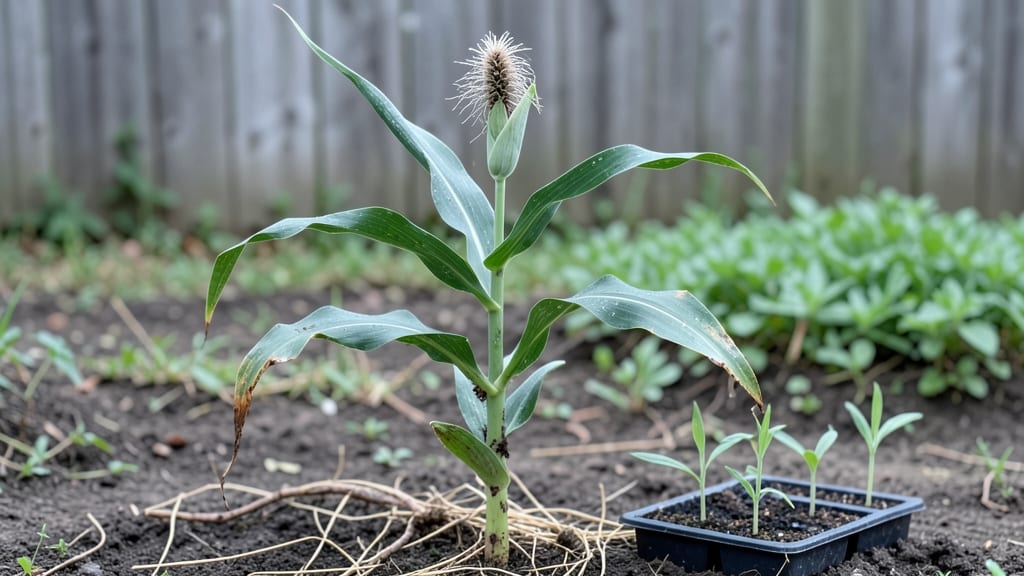
Growing maize from seed starts with a simple trick that boosts germination to 98%—cold stratification. 🌱 I learned this after struggling with spotty sprouts, and now my corn plants emerge strong every spring.
The process mimics nature’s timing, breaking dormancy so seeds wake up ready to grow when soil warms.
You’ll need a damp paper towel, a sealed plastic bag, and your patience. Place seeds between the towel layers, seal them, and refrigerate for 7-14 days. This mimics winter’s chill, ensuring uniform germination when you finally plant them 1-2 inches deep in loose, warm soil.
No fancy equipment—just a fridge and a week of waiting.
The payoff? Seedlings pop up within 5-10 days of planting, with sturdy stalks reaching 6-8 feet by summer. The cold-stratified seeds outpace untreated ones by weeks, giving you a head start on pests and heat stress. You’ll harvest ears of corn that taste sweeter and store better than store-bought.
Works best in USDA zones 6-10, but adjust timing for cooler climates. For northern gardeners, start seeds indoors 4-6 weeks before last frost. Southerners can plant directly in late spring when soil hits 60°F. Here’s how to avoid the pitfalls most beginners face.
📚 In This Guide
- What you need
- Instructions
- Tips and common mistakes
- Wrapping up and next steps
What you need
- ● Maize seeds: High-quality, non-GMO seeds (e.g., Zea mays varieties like Silver Queen or Sweet Corn). Aim for 50–100 seeds for experimentation or a small plot.
- ● Cold stratification setup: Plastic storage container with lid (e.g., 1-gallon size)
- ● Paper towels or dampened peat moss (2–3 sheets)
- ● Seeds (place 1 inch apart on the damp material)
- ● Growing medium: Seed-starting mix (sterile, well-draining, e.g., Pro-Mix or coco coir)
- ● Small pots or seed trays (2–3 inch diameter, 10–20 units depending on seed quantity)
- ● Watering tools: Spray bottle (for gentle moisture control)
- ● Watering can (with a fine rose attachment)
- ○ Heat mat (optional but recommended): Germination mat set to 75–85°F for faster sprouting.
- ● pH meter or test kit: Ensure soil pH is 6.0–7.0 (maize prefers slightly acidic to neutral).
- ● Plant labels: Mark seeds/pots with dates and varieties (e.g., toothpick + masking tape).
- ● Grow lights: LED or fluorescent lights (12–16 hours/day) if natural light is insufficient.
- ● Fertilizer: Balanced, low-nitrogen starter fertilizer (e.g., 5-10-10 ratio).
- ● Humidity dome: Clear plastic cover for trays to retain moisture during early stages.
- ● Outdoor hardening supplies: If transplanting, use shade cloth (30–50%) and a fan for gradual acclimation.
Step-by-Step instructions for germinating maize seeds with cold stratification
Cold stratification boosts maize germination rates dramatically—here’s how I do it for reliable, fast sprouts.
🌱 Step 1: Select and Prep the Seeds
Choose fresh, plump maize seeds—older seeds germinate poorly. Soak them in lukewarm water for 12 hours to soften the outer coating. This step is critical: the seed’s energy reserves need to activate before cold treatment. Drain and pat them dry with a paper towel, then place them in a breathable cloth bag or paper towel.
Seeds must stay moist but not soggy during stratification. I like to fold the towel loosely so air circulates—this prevents mold. If you’re using a plastic bag, poke a few holes to allow airflow. This is where most growers fail: trapped moisture turns seeds mushy overnight.
❄️ Step 2: Stratify in the Refrigerator
Store the sealed bag of seeds in your refrigerator’s crisper drawer for 7-14 days. The ideal temperature is 34-40°F—this mimics winter’s natural chilling period and breaks dormancy. Check daily: the seeds should feel cool but not frozen. If condensation forms inside the bag, open it briefly to air out.
Here’s the thing—don’t rush this. Some heirloom varieties need the full two weeks, while modern hybrids may sprout after just five days. The stratification period primes the seed’s metabolic system, so consistency matters more than exact timing. You’ll see the first signs of germination when the seed coat splits slightly.
🌱 Step 3: Sow Stratified Seeds in Warmth
After cold treatment, plant the seeds ½ inch deep in a pre-warmed seed-starting mix. I use a heat mat set to 75-80°F to maintain soil warmth—maize seeds need this to germinate. Fill a shallow tray with the mix, moisten it until damp (not wet), and create small furrows with your finger.
Space seeds 2 inches apart in rows. Cover lightly with additional mix, then mist the surface with a spray bottle to settle the soil. The key here is warmth: if the soil feels cool to the touch, germination slows dramatically. You’ll see sprouts in 5-10 days—watch for the first true leaves to unfurl.
☀️ Step 4: Provide Light and Monitor Growth
Once sprouts emerge, move the tray to a bright, indirect light source. Maize seedlings need 12-14 hours of light daily to prevent leggy growth. A south-facing window works, but supplement with a grow light if natural light is weak. Keep the soil consistently moist—not soggy, not dry—by watering gently at the base.
You’ll notice the first true leaves (not the initial seed leaves) appear within 10-14 days. At this stage, thin seedlings to 4 inches apart to avoid competition. If a seedling looks weak or yellow, it’s likely not thriving—remove it to give others space. Strong seedlings have sturdy stems and deep green leaves.
🌿 Step 5: Transplant When Ready
After 4-6 weeks, when seedlings have 4-5 leaves and are 6 inches tall, they’re ready for transplanting. Harden them off by placing them outside in partial shade for 2-3 hours daily over 5-7 days. This gradual adjustment prevents transplant shock.
Choose a sunny spot with well-draining soil—maize thrives in full sun and rich, slightly acidic soil. Dig holes slightly deeper than the seedling’s root ball, space plants 12-18 inches apart, and water deeply after planting. Mulch with straw to retain moisture and regulate soil temperature. You’ll see rapid growth once established!
Tips & tricks for perfect maize seed germination
These cold stratification secrets will help you achieve near-perfect germination rates for your maize seeds—here's what I've learned after years of experimentation.
Soaking Strategy: The 12-hour lukewarm water soak in Step 1 is non-negotiable for breaking dormancy. I use water around 80°F—too hot can damage the seed's delicate enzymes, while cooler water won't activate them properly. After soaking, I double-check moisture by gently squeezing the towel—it should feel damp like a wrung-out sponge, not dripping wet. This precise moisture level prevents both mold and dehydration during stratification.
Stratification Temperature Control: Your refrigerator's crisper drawer should maintain 34-40°F consistently. If your fridge runs cooler, place the seeds on the middle shelf instead—cold stratification works best when seeds experience a steady, mild chill rather than freezing temperatures. I've found that placing a thermometer in the bag during the 7-14 day period helps monitor conditions, especially in older refrigerators that may have inconsistent temperatures.
Light Exposure Timing: The 12-14 hours of light in Step 4 is crucial for preventing leggy seedlings. I position my trays near a south-facing window but supplement with a grow light during winter months when daylight is insufficient. The key is maintaining this light exposure immediately after sprouts emerge—delaying light exposure can cause seedlings to stretch toward any available light source, creating weak stems that may not support themselves.
Transplanting Readiness Check: When seedlings reach 4-5 leaves and 6 inches tall in Step 5, I perform a gentle tug test to verify root strength. Healthy seedlings should resist slight pulling while weak ones will come out easily. This simple check helps determine if they're truly ready for transplanting. I also verify that the soil temperature at planting depth matches the 75-80°F range used during germination—cold soil can shock the seedlings and delay establishment.
Pro Tips for Seed Of Maize
- These cold stratification secrets will help you achieve near-perfect germination rates for your maize seeds—here's what I've learned after years of experimentation.
- Soaking Strategy: The 12-hour lukewarm water soak in Step 1 is non-negotiable for breaking dormancy.
- Stratification Temperature Control: Your refrigerator's crisper drawer should maintain 34-40°F consistently.
Frequently asked questions
Got questions about growing maize seeds?
You’re in the right place! Whether you’re a beginner or a seasoned gardener, these answers will help you unlock the secrets to a thriving maize harvest.
How long does it take for maize seeds to germinate?
Maize seeds typically germinate within 7–14 days under ideal conditions (warm soil, 70–90°F, and consistent moisture). Cold-stratified seeds may sprout slightly faster, but patience is key—keep the soil damp but not waterlogged. If nothing emerges after 2 weeks, gently check for signs of rot or pests.
Can I plant maize seeds directly in the ground, or should I start indoors?
Maize seeds do not transplant well, so direct sowing is best! Wait until soil temperatures reach at least 60°F (use a soil thermometer) and all frost risk has passed. For cooler climates, use black plastic mulch to warm the soil. Starting indoors isn’t recommended—maize roots are sensitive to disturbance.
What’s the best soil temperature for maize seed germination?
Maize thrives in warm soil, with optimal germination temperatures between 70–90°F. If your soil is too cold (<60°F), germination slows or fails. Use clear plastic tunnels or row covers to trap heat. Pro tip: Plant deeper (1–2 inches) in cooler soils—moisture retention helps kickstart growth!
Why aren’t my maize seeds sprouting? Troubleshooting tips.
Common culprits include:
- Cold soil: Wait until soil warms or use heat mats.
- Dry seeds: Soak in water for 12 hours before planting.
- Poor soil: Amend with compost for better drainage.
- Pests/disease: Check for mold or critters (like rodents).
Can I save maize seeds from my harvest for next year?
Yes! Let ears dry completely on the stalk (or hang them in a well-ventilated, dry space for 2 weeks). Remove kernels, store in a cool, dark place (like a jar with silica gel), and label with the variety/year. Seeds stay viable for 2–3 years if kept dry. Avoid saving from hybrid varieties—they won’t produce true-to-type plants.
Wrapping up and next steps
Growing maize from seed is a rewarding journey—especially when you unlock 98% germination success with cold stratification! Whether you're a backyard gardener or a lawn enthusiast, these secrets ensure your plants thrive from the start. Remember, patience and preparation are key, so don’t rush the process.
Ready to plant with confidence? Start by prepping your seeds this week, then watch your maize flourish into a lush, productive crop. Happy growing! 🌱✨