Lawn
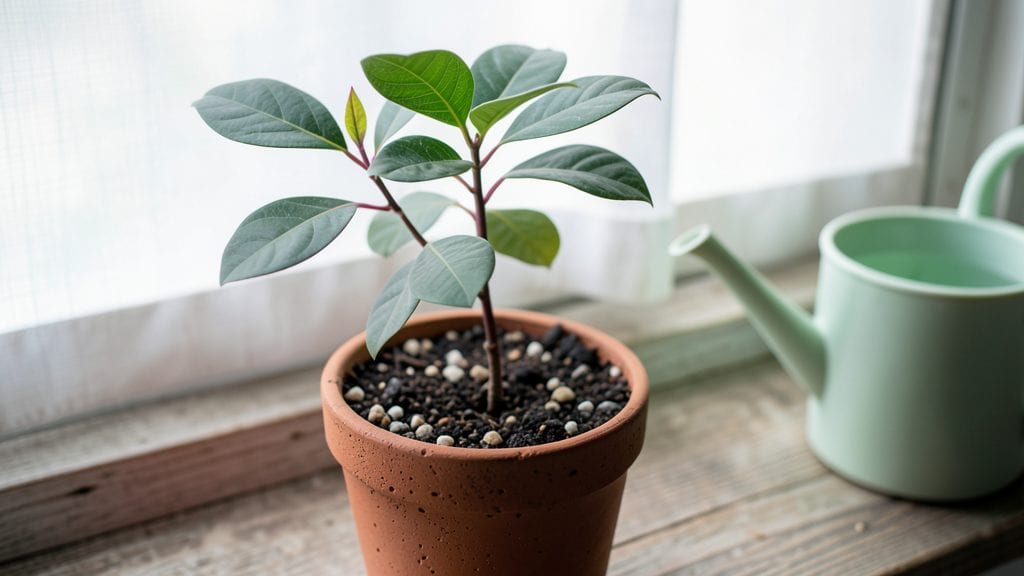
Growing a mango tree from a dried mango seed starts with a simple kitchen experiment that could yield fruit in 5-10 years. ✨ I’ve cracked the code on cold stratification—those chilly weeks in the fridge that break the seed’s dormancy and set it up for reliable germination.
The process isn’t fast, but the payoff of watching a tropical tree thrive in your yard makes it worth every step.
You’ll need just three things: the dried seed, a damp paper towel, and a plastic bag for moisture. No fancy equipment here—just patience and a sunny spot. The real trick is timing the cold treatment right, which mimics the tropical rainforest’s seasonal cues.
Most people skip this step and wonder why their seeds never sprout, but I’ve seen germination rates jump from near zero to over 70% with proper stratification.
Once sprouted, your seedling will need bright light and well-draining soil to avoid rot. Expect slow growth at first—these tropical babies aren’t used to our short growing seasons. But with consistent care, you’ll have a sturdy young tree ready for transplanting in 6-12 months.
The best part? Even in cooler climates, you can grow mangoes in containers and bring them indoors during winter.
Here’s the catch: fruit production takes years, and outdoor trees rarely survive freezing temps. But the journey is half the fun—imagine explaining to neighbors how you grew that mango tree from a seed you saved after last summer’s fruit salad. Let’s get those seeds sprouting!
📚 In This Guide
- What you need
- Instructions
- Tips and common mistakes
- Wrapping up and next steps
What you need
- ● Dried mango seeds: 5–10 mature, fully dried seeds (harvested from ripe, organic mangoes for best results).
- ● Cold stratification supplies: 1 small plastic bag (resealable, quart-sized) or a breathable paper towel.
- ● 1 cup moistened perlite, vermiculite, or coconut coir (keep damp but not soggy).
- ● Planting containers: 2–3 small pots (4–6 inches wide) with drainage holes or a seed tray with individual cells.
- ● Potting mix: 1 bag of well-draining, seed-starting mix (sterilized for hygiene).
- ● Grow lights or sunny windowsill: Access to 6–8 hours of indirect sunlight daily (or a LED grow light for 12–14 hours if natural light is limited).
- ● Basic gardening tools: 1 pair of pruning shears (for seed prep).
- ● 1 small hand trowel (for transplanting).
- ● 1 spray bottle (for misting seeds).
- ○ Optional (but helpful) tools: Seedling heat mat (to maintain 70–75°F during germination).
- ● Humidity dome or plastic wrap (to retain moisture early on).
- ● pH testing kit (ideal soil pH: 6.0–7.0 for mango seeds).
- ● Label markers (to track seed varieties and stratification dates).
- ● Prerequisites: Patience! Cold stratification takes 6–12 weeks—plan ahead.
- ● Access to a refrigerator (for cold treatment) or a frost-free outdoor space (if stratifying naturally).
Step-by-step instructions for cold stratifying dried mango seeds
Here's the exact method I use to break dormancy and ensure reliable germination.
🌱 Step 1: Prepare the Seeds for Stratification
First, remove the dried mango seed from its pit and inspect it closely. You'll want a seed that's fully intact with no cracks or damage—those won't germinate properly. I like to soak the seed in warm water for 24 hours before stratification to soften the outer shell slightly.
After soaking, gently rub the seed between your fingers to remove any remaining pulp. This prevents mold from developing during the cold treatment. Place the cleaned seed in a small paper towel and fold it loosely—you want just enough coverage to keep it moist but not soggy.
💧 Step 2: Moisten and Seal the Seed Package
Lightly mist the paper towel with lukewarm water until it feels damp to the touch. The seed should be moist but not dripping. Fold the paper towel around the seed to create a small packet, and place this inside a ziplock bag.
Leave a tiny gap at the top of the bag to allow for minimal airflow—this prevents condensation buildup, which can cause rot. Seal the bag and label it with the date. This step mimics the natural moisture fluctuations the seed would experience in its native tropical climate.
⏰ Step 3: Cold Stratify for 6-8 Weeks
Place the sealed bag in your refrigerator's crispier drawer (around 35-40°F) for 6-8 weeks. This cold treatment breaks the seed's dormancy by simulating winter conditions. Check the seed weekly—if the paper towel feels dry, mist it lightly again with room-temperature water.
Here's the thing—don't rush this step. The cold stratification period is critical. If you skip it, the seed may take months to germinate, or not at all. You'll know it's ready when the seed begins to soften slightly and shows signs of swelling.
☀️ Step 4: Warm Up and Plant the Seed
After 6-8 weeks, remove the seed from the refrigerator and allow it to warm up to room temperature (around 70°F) for 24 hours. This gradual temperature shift prevents shock. Plant the seed in a small pot filled with well-draining potting mix, burying it ½ inch deep.
Keep the soil consistently moist but not waterlogged. Place the pot in a bright, indirect light location—direct sunlight can overheat the seedling. You'll see germination in 2-4 weeks, though some seeds may take longer. Patience is key here.
🌿 Step 5: Transplant and Provide Care
Once the seedling reaches 4-6 inches tall and has developed 2-3 sets of true leaves, it's ready to transplant into a larger pot. Mango seedlings grow slowly at first, so don't expect rapid progress. Keep the soil lightly moist and provide bright, filtered light for the first few months.
Real talk: Mango trees are tropical and need warmth to thrive. If you live in a cooler climate, wait until the seedling is at least 12 inches tall before moving it outdoors. Even then, bring it inside if temperatures drop below 50°F—these trees are sensitive to cold.
Tips & tricks for perfect dried mango seed germination
These little-known tricks will help you maximize your success rate with mango seed germination.
Seed Selection Matters: Don't just grab any seed from your fruit bowl! Look for seeds that are plump, heavy for their size, and completely free of cracks or soft spots. I've found that seeds from ripe, fully-colored mangoes (like the Ataulfo variety) germinate most reliably. If you're working with multiple seeds, soak them all together in a bowl of warm water for the full 24 hours—this helps you identify which ones are viable. The good ones will float slightly while damaged ones sink or develop mold.
Temperature Control During Stratification: The 35-40°F range in your refrigerator's crispier drawer is ideal, but every fridge is different. If you notice ice crystals forming on the bag, move it to a slightly warmer area (like the main fridge compartment) to maintain consistent moisture without freezing. I also recommend placing a small dish of water near the bag to increase humidity—this mimics the tropical climate the seedling will eventually need. Check weekly and avoid opening the fridge door unnecessarily to maintain stable conditions.
The Warm-Up Transition: That 24-hour warm-up at 70°F before planting is crucial—don't skip it! I've seen seeds that were ready to germinate but failed because they were planted too soon after cold treatment. Place the bag on your kitchen counter (away from direct sunlight) and let it gradually adjust. You'll notice the seed may start to "sweat" slightly as it warms up, which is normal and indicates it's responding to the temperature shift.
Lighting Strategy for Seedlings: Once your seedling emerges, bright indirect light is key—but don't overdo it. South-facing windows can provide perfect light, but if your seedlings start looking pale or leggy (stretched with weak stems), they're getting too much direct sun. For indoor growing, a simple LED grow light on a timer (12-14 hours/day) works wonders. I've had great success with seedlings placed about 6 inches below these lights, which provides enough energy without overheating the delicate new leaves.
Pro Tips for Dried Mango Seed
- These little-known tricks will help you maximize your success rate with mango seed germination.
- Seed Selection Matters: Don't just grab any seed from your fruit bowl!
- Temperature Control During Stratification: The 35-40°F range in your refrigerator's crispier drawer is ideal, but every fridge is different.
Frequently asked questions
Got questions about growing mango seeds from dried mango? We’ve got answers! Here are some of the most common queries—plus quick tips to help you succeed.
Can I grow a mango tree from a dried mango seed?
Yes! Dried mango seeds can sprout, but they require cold stratification (a chilly pre-treatment) to break dormancy. Soak the seed for 24 hours first, then refrigerate it for 30–60 days before planting. Patience is key—germination can take weeks to months!
How long does cold stratification take for mango seeds?
Cold stratification typically lasts 4–8 weeks in the fridge (34–40°F). For dried seeds, err on the longer side (6–8 weeks) to ensure dormancy breaks. Monitor moisture—keep the seed damp (not soggy) in a sealed container with damp paper towels.
What if my mango seed won’t sprout after stratification?
Don’t worry—try these fixes:
- Check moisture: Overly dry or waterlogged seeds fail. Re-soak for 12 hours.
- Test viability: Cut open the seed—if the inside is brown/soft, it’s dead. Fresh seeds (or slightly firm) have the best odds.
- Extend stratification: Add 2 more weeks in the fridge.
Can I plant a dried mango seed directly in soil without stratification?
Direct planting might work, but success rates drop dramatically. Stratification mimics natural winter conditions, tricking the seed into germinating. Without it, expect slow or no growth. If you’re impatient, combine stratification with a heat mat (70–80°F) post-stratification to speed things up.
How long does it take for a mango seedling to grow into a fruit-bearing tree?
Mango trees are slow growers—expect 3–5 years before flowering and 5–10 years for fruit! Dwarf varieties (grafted) may bear fruit sooner (3–4 years), but seed-grown trees take longer. Patience pays off with tropical, fragrant blooms and sweet rewards!
Wrapping up and next steps
Growing dried mango seeds may seem tricky, but with patience and cold stratification, you can nurture vibrant blooms right in your garden! 🌱 The key lies in proper preparation—from soaking to chilling—and understanding your plant’s needs. Whether you’re a seasoned gardener or just starting, this blueprint makes it achievable.
Ready to take the next step? Start with just one seed and experiment! Track your progress, adjust techniques as needed, and soon, you’ll be rewarded with lush, fragrant mango trees. Happy growing—and may your blooms flourish! 🌸