
Diseases
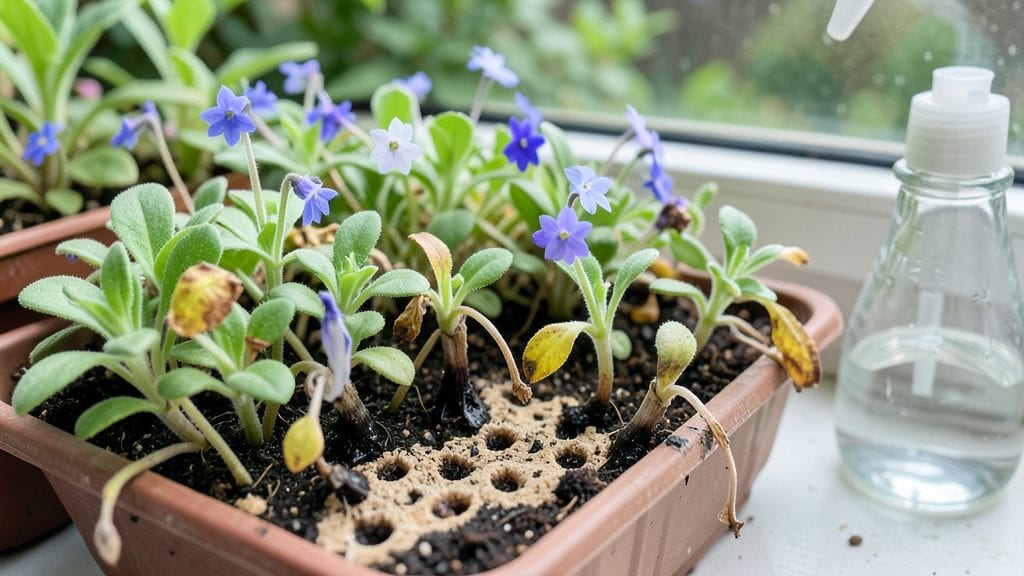
Damping off seeds turned my first seed-starting batch into a sad, mushy pile of wasted effort. 🌱 The moment I saw those little seedlings collapse into gooey messes, I knew I had to figure out why—because it wasn’t just bad luck.
It was humidity, soil, and airflow all working against me in the worst way possible.
This isn’t some mysterious plant curse—it’s a fixable problem. Most gardeners lose seedlings to damping off because they don’t realize how quickly conditions can go wrong. Too much moisture, poor air circulation, or even overcrowded trays create the perfect breeding ground for the fungus that causes this.
The good news? With the right setup, you can stop it before it starts.
By the end of this, you’ll know exactly how to adjust your seed-starting routine to prevent damping off. We’re talking proper spacing, the right soil mix, and airflow tricks that actually work. Your seedlings will stay strong, green, and ready to transplant—no more heartbreaking losses.
Whether you’re dealing with a current outbreak or just want to protect your next batch, these steps will save your seedlings. Let’s get them growing the way they should—tall, sturdy, and thriving from day one.
Root Causes Of Seedling Loss
Damping off in seeds isn’t just a random tragedy—it’s the result of a perfect storm of environmental and biological factors. Understanding these causes is the first step to preventing it. Below, we break down the key culprits, from microscopic invaders to simple oversights in seedling care.
Seeds need space to breathe, both literally and metaphorically. When seedlings grow too close together, humidity lingers between them like a damp blanket, creating the ideal conditions for fungal spores to thrive. Poor airflow also slows evaporation, keeping moisture trapped on seed coats and stems.
Why it matters: Fungal pathogens like Pythium and Rhizoctonia spread faster in stagnant, humid air. Overcrowding doesn’t just block light—it turns your seed tray into a fungal buffet.
Actionable fix:
- Space seeds according to packet guidelines (often 1–2 inches apart).
- Thin seedlings early to reduce competition for nutrients and airflow.
- Use a small fan on low speed (2–3 hours daily) to mimic natural breeze and dry excess moisture.
Water is essential, but too much is a death sentence for seeds. Overwatering—whether from frequent soaking, poorly draining soil, or sitting in saucers of standing water—drowns seeds by suffocating roots and encouraging fungal growth.
Why it matters:
- Pythium thrives in waterlogged soil, attacking seedlings within 24–48 hours.
- Weak stems (from overwatering) collapse under their own weight, even without disease.
- Compacted or clay-heavy soils trap moisture, creating anaerobic conditions that stress roots.
Actionable fix:
- Use a well-draining seed-starting mix (avoid garden soil—it compacts and holds too much water).
- Water only when the top inch of soil feels dry (stick your finger in to test!).
- Elevate trays on a wire rack to prevent water pooling below.
- Pro tip: 🌡️ Use a moisture meter to avoid guesswork—overwatering is the #1 cause of damping off!
Seeds and seedlings are sensitive to temperature swings. Too cold, and fungal growth accelerates; too hot, and beneficial microbes die off, leaving pathogens unchecked. Even slight fluctuations can weaken seedlings, making them vulnerable.
Why it matters:
- Rhizoctonia solani (a damping-off fungus) spreads faster in cool (50–65°F) but humid conditions.
- Warm soil (above 80°F) can kill beneficial microbes that suppress fungal growth.
- Bottom heat mats (common in seed-starting setups) can overheat if unmonitored, stressing roots.
Actionable fix:
- Keep soil temps between 65–75°F for most seeds (check seed packets for exceptions).
- Avoid placing trays near drafts, vents, or direct sunlight (which heats soil unevenly).
- Use a heat mat only if needed, and never exceed 75°F.
- Pro tip: ✨ Place a thermometer in the soil to monitor temps—fluctuations are just as deadly as extremes!
Damping off is primarily caused by soilborne fungi and bacteria that lie dormant until conditions are perfect. The two most notorious offenders are:
| Pathogen | How It Attacks | Signs to Watch For |
|---|---|---|
| Pythium (Water Mold) | Invades roots and stems, causing them to rot and seedlings to collapse suddenly. | Soft, mushy stems at soil level; grayish fungal growth on roots. |
| Rhizoctonia solani (Web Blight) | Creates dark, sunken lesions at the stem base, cutting off water and nutrients. | Black or brown stem lesions; seedlings wilt and fall over. |
| Bacterial Soft Rot (Erwinia) | Bacteria multiply in wet conditions, causing stems to ooze and collapse. | Stems turn brown and slimy; foul odor near infected seedlings. |
Actionable fix:
- Sterilize soil and trays with a 10% bleach solution (1 part bleach to 9 parts water) or bake soil at 180°F for 30 minutes.
- Use fungicide-treated seeds or soak seeds in hydrogen peroxide (3%) for 5 minutes before planting.
- Rotate crops and avoid reusing contaminated soil.
Not all seeds are created equal—some arrive already infected with fungal spores or bacteria. Old, damaged, or improperly stored seeds are also more susceptible to damping off.
Why it matters:
- Seeds stored in humid conditions (like unsealed packets) can sprout mold before germination.
- Weak or slow-growing seeds struggle to develop strong roots, making them easy targets.
- Contaminated seed coatings (from poor handling) introduce pathogens directly to the soil.
Actionable fix:
- Buy seeds from reputable suppliers and check expiration dates (use within 1–2 years).
- Store seeds in a cool, dry place (below 40°F and <50% humidity is ideal).
- Discard any seeds with mold, discoloration, or an off smell.
Fixing Fungal Seedling Failures
Damping off seeds can feel like a heartbreaking setback, but with the right steps, you can rescue your seedlings and prevent future losses. The key is acting fast and addressing the root cause—whether it’s excess moisture, poor airflow, or contaminated soil.
Below are practical, step-by-step solutions tailored to the most common triggers, plus pro tips to keep your seedlings thriving.
Cause: Fungal spores spread quickly, turning healthy seedlings into casualties. Fix:
- 👨🍳 Pull out sickly seedlings (soft stems, moldy bases, or wilting) immediately to stop the spread.
- 🗑️ Dispose of them in a sealed bag or trash—do not compost—to prevent reinfection.
- 🧼 Disinfect tools (scissors, tweezers) with rubbing alcohol (70%+) between uses.
Pro Tip: 💡 If damping off strikes early, consider starting over with fresh seeds in sterilized soil. Sometimes, prevention is easier than recovery!
Cause: Overwatering or stagnant air creates the perfect fungal buffet. Fix:
- 💧 Water wisely: Let the top 1–2 inches of soil dry out between waterings. Use a spray bottle for gentle misting instead of soaking trays.
- 🌬️ Boost airflow: Place a small fan (low setting) near seedlings for 1–2 hours daily to dry surfaces and discourage spores.
- 🏺 Elevate trays: Use a drip tray with pebbles to prevent waterlogging while keeping roots moist.
Pro Tip: ✨ Bottom-watering (placing trays in shallow water for 10 mins) reduces surface moisture without oversaturating soil.
Cause: Contaminated growing medium or reused pots harbor fungal spores. Fix:
- 🔥 Sterilize soil: Mix in 1 part hydrogen peroxide (3%) to 10 parts water, let sit for 30 mins, then drain. _OR_ bake soil in the oven at 200°F (93°C) for 30 minutes to kill pathogens.
- 🧼 Clean containers: Wash pots with soapy water, rinse, and disinfect with a 10% bleach solution (1 part bleach to 9 parts water), then rinse thoroughly.
- 🌱 Use fresh potting mix: Avoid garden soil—opt for sterile seed-starting mix with perlite or vermiculite for drainage.
Pro Tip: 🌡️ Prevent reuse woes: Label and date containers to avoid accidental reinfection from old, forgotten batches.
Cause: Stubborn infections require a stronger defense. Fix:
- 💊 Natural remedies:
- Cinnamon powder: Sprinkle lightly on soil (has antifungal properties).
- Neem oil solution: Mix 1 tsp neem oil + 1 tsp mild soap + 1 quart water, spray seedlings (avoid direct leaf contact).
- 🛡️ Chemical options (last resort):
- Fungicide like Mycorrhizal fungi or copper-based sprays (follow label instructions).
Pro Tip: 🎯 Preventative spray: Apply neem oil every 7–10 days during germination to deter fungal growth.
Cause: Repeated mistakes lead to recurring damping off. Fix (Long-Term Strategies):
- 🌱 Seedling spacing: Thin seedlings to 1–2 inches apart for better airflow.
- 🌡️ Temperature control: Keep seedlings in warm (65–75°F / 18–24°C) but not humid environments. Avoid cold windowsills.
- 🌿 Rotate crops: Don’t reuse the same soil or containers for different seed batches without sterilizing.
- 📝 Keep a seed journal: Track moisture, airflow, and germination conditions to spot patterns.
Pro Tip: 🔥 Heat mat hack: Use a seedling heat mat (70°F) to speed germination without overwatering—faster sprouts mean less time in the "danger zone."
Final Note: Most damping off cases are 100% preventable with these adjustments. Seedlings are resilient—give them the right conditions, and they’ll bounce back stronger than ever! 🌱💪
Frequently asked questions about seedling fungal issues
Why do my seedlings suddenly collapse at soil level?
This classic symptom signals damping off, caused by fungal infections like Pythium or Rhizoctonia. The fungus attacks stems at the base, making them soft and prone to snapping. Check for gray mold or black lesions—these confirm the issue. The problem spreads fastest in crowded, overwatered trays with poor airflow.
Can I save seedlings already showing damping off symptoms?
Unfortunately, infected seedlings rarely recover—remove them immediately to prevent spread. For remaining healthy plants, improve airflow with a small fan and reduce watering. Sterilize your soil mix (bake at 200°F for 30 minutes) and disinfect containers with a 10% bleach solution before replanting fresh seeds.
What's the safest way to sterilize seed-starting soil?
For chemical-free sterilization, mix 1 part 3% hydrogen peroxide with 10 parts water, soak the soil for 30 minutes, then drain. Alternatively, bake soil in a shallow tray at 200°F (93°C) for 30 minutes. Avoid garden soil—it often contains dormant fungal spores. Commercial seed-starting mixes are pre-sterilized and ideal for preventing damping off.
How often should I water seedlings to prevent fungal growth?
Water only when the top 1–2 inches of soil feel dry—overwatering is the #1 cause of damping off. Use a spray bottle for gentle misting instead of soaking trays. Bottom-watering (placing trays in shallow water for 10 minutes) keeps roots moist without oversaturating the surface where fungi thrive.
Are there natural fungicides that actually work against damping off?
Yes! Neem oil (mix 1 tsp neem + 1 tsp mild soap + 1 quart water) and cinnamon powder (sprinkle lightly on soil) are effective preventatives. For stubborn cases, copper-based fungicides work well. Apply these every 7–10 days during germination to create a protective barrier against fungal spores.