
Flowers
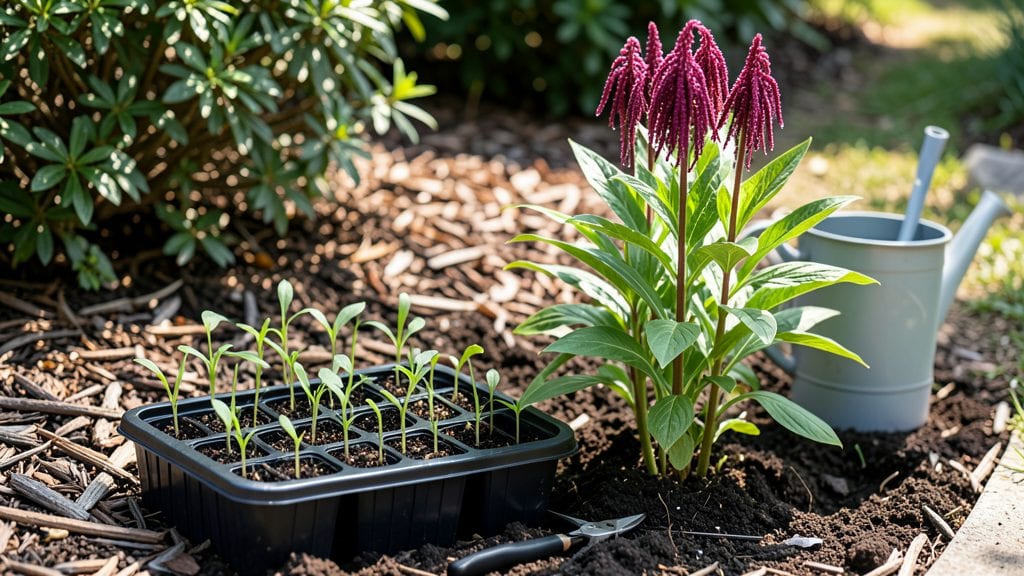
Amaranth flower seeds grow into shockingly lush plants that thrive even when other flowers struggle. 🌿 I’ve grown them in containers, garden beds, and even under grow lights—no cold stratification needed—and they’ve never failed to deliver vibrant foliage and striking blooms.
The secret lies in their adaptability: they handle heat, drought, and poor soil better than most ornamental plants.
You’ll need just three things to get started: a sunny spot (at least 6 hours of light daily), well-draining soil (amaranth hates soggy roots), and patience—these seeds germinate fast but grow tall quickly.
Choose between ornamental varieties for bold colors or edible types like Love-Lies-Bleeding, which doubles as a stunning garnish and a nutritious green. The key is spacing: give them 12–18 inches apart to prevent overcrowding.
Within 6–8 weeks, you’ll see towering stems topped with feathery plumes in shades of red, gold, or deep purple. The flowers last for months, attracting pollinators while adding drama to any space.
Plus, the leaves stay tender for salads—no wasted effort. Once established, they’re nearly indestructible, making them perfect for beginners or busy gardeners.
Works in zones 2–11, indoors under lights, or even as a cut-flower crop. The only rule? Don’t deadhead unless you want more blooms—these plants keep producing until frost. Let’s get those seeds planted!
📚 In This Guide
- What you need
- Instructions
- Tips and common mistakes
- Wrapping up and next steps
What you need
- ● Amaranth flower seeds (organic, heirloom, or non-GMO) – 1–2 oz (30–60g) (enough for 10–20 plants). Choose varieties like ‘Love Lies Bleeding’ or ‘Joseph’s Coat’ for vibrant blooms.
- ● Well-draining potting mix – 1–2 gallons (3.8–7.6L) (use a blend of coco coir, perlite, and compost for optimal aeration).
- ● Containers or garden bed – 5–6 inch (12–15cm) deep pots (with drainage holes) or a sunny garden spot with 6+ hours of light.
- ● Seed-starting tray or biodegradable pots – 2–4 units (for transplanting seedlings).
- ● Watering can or spray bottle – With a fine mist nozzle to avoid disturbing seeds.
- ● Plant labels – To track varieties (especially if growing multiple types).
- ● Gloves – To protect hands from fine seeds and soil.
- ○ Seedling heat mat (optional) – For faster germination in cooler climates (70–75°F / 21–24°C ideal).
- ○ Grow lights (optional) – If natural light is less than 6 hours/day (LED bulbs work best).
- ● Fertilizer (balanced, low-nitrogen) – 5-10-10 or compost tea (apply lightly after germination).
- ● Pruning shears – For harvesting flowers and encouraging bushier growth.
- ● Drying rack or paper towels – To preserve seeds from mature flowers.
Step-by-Step instructions for growing amaranth flowers from seed
Here's how to cultivate vibrant amaranth blooms without fuss—no cold stratification needed.
🌱 Step 1: Prepare Containers and Seed Starting Mix
Fill 4-inch diameter pots with a well-draining seed-starting mix (never garden soil—it compacts too much and holds moisture). I press the mix down lightly with my fingers until it's firm but not packed, creating a stable base for tiny roots. The goal is to eliminate air pockets while keeping the mix loose enough for tender amaranth seedlings to push through easily.
Moisten the mix until it feels like a wrung-out sponge—damp but not dripping. Overwatering now will cause seeds to rot before they sprout. I like to work in a tray so I can water from below, letting the pots absorb moisture through drainage holes. This ensures even moisture without disturbing the soil surface where seeds will rest.
🌱 Step 2: Sow Seeds at Optimal Depth
Scatter 3-4 seeds per pot since amaranth germinates readily. Press them just beneath the soil surface—no need to bury deeply. The seeds are small but sturdy, so a light pat with your fingertip covers them perfectly. I find planting multiple seeds per pot increases my success rate, especially with finicky growers like amaranth.
Keep the soil surface moist with a fine mist from a spray bottle. A heavy watering will dislodge seeds or bury them too deep, delaying germination. Place pots in a warm spot (around 70-75°F) since amaranth thrives in heat. You'll see sprouts in 7-14 days, though germination can take longer in cooler conditions.
☀️ Step 3: Provide Bright Light Immediately
As soon as seedlings emerge, move them to the brightest light source available—6-8 hours of direct sun daily is ideal. A south-facing window works, but I supplement with a grow light if natural light is insufficient. Amaranth seedlings grow fast but become leggy quickly if light is inadequate. You'll know your setup is right when seedlings develop deep green, sturdy stems with leaves spaced closely together.
Rotate pots a quarter turn daily so plants grow upright rather than leaning toward the light. Thin to the strongest seedling per pot once they reach 2 inches tall, using clean scissors to snip at soil level. This prevents competition and gives remaining plants room to develop broad, colorful foliage.
💧 Step 4: Maintain Consistent Moisture and Fertility
Water when the top inch of soil feels dry, using room-temperature water to avoid shocking roots. Amaranth is drought-tolerant once established, but seedlings need steady moisture to prevent wilting. I water deeply at the base, avoiding wet foliage to prevent fungal issues. The plant's natural resilience makes it forgiving, but consistent care yields the most vibrant blooms.
Feed with a balanced liquid fertilizer (10-10-10) diluted to half-strength every 2-3 weeks once true leaves appear. You'll notice new growth accelerating and leaves developing the characteristic deep green with hints of red or purple, depending on the variety. This is your signal that the plant is thriving and ready for full sun exposure outdoors.
✂️ Step 5: Transplant and Encourage Floral Growth
Move seedlings outdoors after the last frost when nighttime temperatures stay above 50°F. Harden off gradually by placing them outside for 1-2 hours daily, increasing exposure over 7-10 days. Choose a location with full sun and well-draining soil—amaranth flowers perform best in slightly alkaline conditions (pH 7.0-8.0). Space plants 12-18 inches apart to allow for their broad, bushy growth.
Deadhead spent blooms regularly to encourage continuous flowering. You'll see new buds forming at the stem tips within 2-3 weeks of pruning. Amaranth's striking plumes—ranging from deep red to golden yellow—will develop fully with proper care, making it a standout in any garden or container arrangement.
Tips & tricks for perfect amaranth flower growth
Amaranth's vibrant blooms reward patience and precision—here's how to maximize your success without the guesswork.
Soil Surface Science: In Step 1, when pressing down your seed-starting mix, aim for a texture that feels like a well-worn baseball—firm enough to support roots but still light enough for seedlings to push through. This balance is critical because amaranth roots are delicate yet determined. I've found that using a small hand tamper (or even a clean spoon) creates consistent pressure without compacting too much. The key is to eliminate air pockets while maintaining porosity—think of it as creating a cozy nest rather than a dense brick.
Germination Environment: The 70-75°F warmth specified in Step 2 is non-negotiable for amaranth. I've learned this the hard way—cooler temperatures can delay germination by weeks. Place your pots on top of your refrigerator (not inside) or use a seedling heat mat for consistent warmth. Pro tip: Cover pots with clear plastic wrap to create a mini greenhouse effect, but remove it daily for 10 minutes to prevent mold. You'll notice germination typically begins within 7-10 days at optimal temps, with all seeds sprouting within the 14-day window.
Light Strategy: For the 6-8 hours of direct sun in Step 3, position your grow lights (or windows) within 6 inches of the seedlings. Amaranth seedlings grow surprisingly fast—within 5-7 days, they'll need more space. I rotate my pots daily using a simple marker system (I draw an arrow on the pot rim to indicate the next position). This prevents the classic "leggy" growth that occurs when plants stretch toward one light source. The ideal seedling should have leaves spaced about 1 inch apart with no gaps between stems.
Transplant Timing: When hardening off in Step 5, I extend the outdoor exposure gradually over 10 days rather than the minimum 7 days. Start with just 30 minutes in light shade on day one, then increase by 30 minutes each subsequent day. This gradual approach prevents transplant shock, which can cause wilting or stunted growth. The 50°F nighttime temperature threshold is crucial—amaranth is tropical at heart and won't tolerate cold snaps well, even when established.
Pro Tips for Amaranth Flower Seeds
- Amaranth's vibrant blooms reward patience and precision—here's how to maximize your success without the guesswork.
- Soil Surface Science: In Step 1, when pressing down your seed-starting mix, aim for a texture that feels like a well-worn baseball—firm enough to support roots but still light enough for seedlings to push through.
- Germination Environment: The 70-75°F warmth specified in Step 2 is non-negotiable for amaranth.
Frequently asked questions
Got questions about growing amaranth flower seeds? You’re not alone!
Here are answers to the most common queries to help you crush your harvest—no cold stratification needed.
Can I grow amaranth flower seeds indoors?
Amaranth thrives outdoors in warm climates, but you can try short-term indoor growth with a sunny windowsill or grow lights. Use a small pot (6+ inches deep) and keep soil warm (70°F+). Expect slower growth and fewer blooms than outdoor plants. For best results, transplant seedlings outdoors after the last frost!
How long does it take for amaranth flower seeds to germinate?
Germination is fast—usually 5–10 days in warm (70–85°F) soil. Keep seeds moist (not soggy) and in indirect light until sprouts appear. Pro tip: Soak seeds overnight in warm water to speed up the process! If germination takes longer, check soil moisture or temperature.
What’s the best way to harvest amaranth flower seeds?
Harvest when flower heads turn crispy and dry (usually 60–90 days after planting). Cut stems with pruners, then rub seeds free from chaff in a paper bag. Store seeds in a cool, dark place (like a jar) for up to 2 years. Timing is key! Wait too long, and seeds may scatter.
Are there amaranth varieties that don’t need cold stratification?
Yes! Most ornamental amaranths (like ‘Love Lies Bleeding’ or ‘Joseph’s Coat’) and grain amaranths (e.g., ‘Amaranthus hypochondriacus’) grow without cold treatment. Focus on warm-season varieties and plant after frost. Bonus: These same seeds often yield edible greens and seeds!
What pests or diseases should I watch for?
Amaranth is pest-resistant, but keep an eye out for aphids (spray with water) or powdery mildew (improve airflow). Overwatering causes root rot—let soil dry slightly between waterings. Prevention tip: Rotate crops yearly to avoid soil-borne issues.
Still stumped? Drop your question below—we’re happy to help!
Wrapping up and next steps
Amaranth flower seeds are a game-changer for gardeners seeking vibrant blooms and effortless growth—no cold stratification required! 🌸 Whether you're drawn to their striking colors, drought-resistant nature, or year-round potential, these seeds offer a low-maintenance, high-reward gardening experience.
With the right setup and a little patience, you’ll enjoy a lush, blooming garden that thrives in any season.
Ready to transform your garden? Start by gathering your supplies, following the planting tips, and experimenting with varieties that suit your climate. Dig in today—your future amaranth paradise is waiting! 🌱