
Lawn
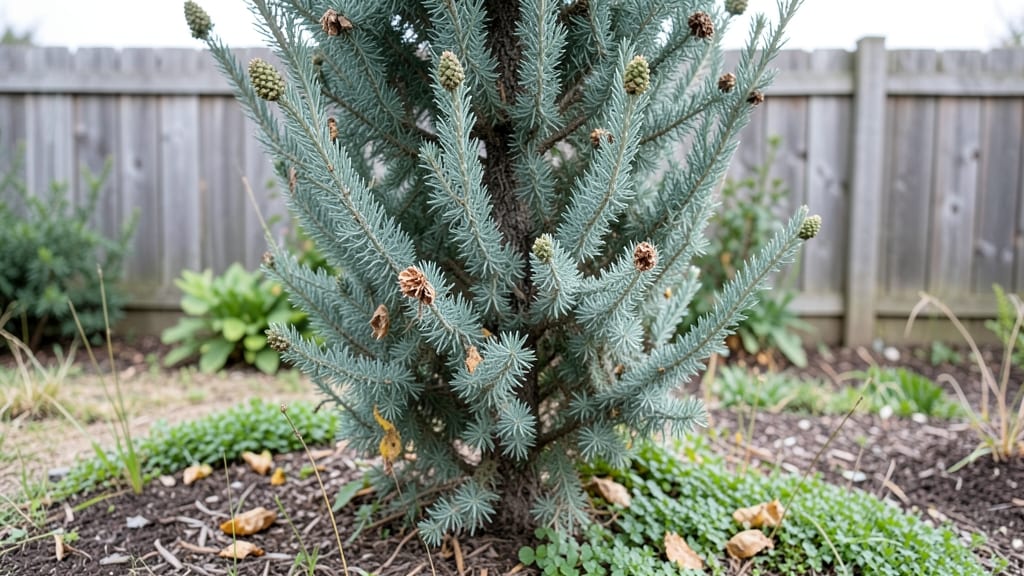
Growing cypress trees from seed pods lets you create a lush, wind-resistant privacy screen that thrives year-round. 🌿 I’ve watched these tiny pods transform into towering evergreens that block noise and harsh winds while adding coastal charm to any yard.
The process isn’t quick—it takes patience—but the payoff is worth it for anyone tired of flimsy fences or expensive pre-grown plants.
You’ll need fresh seed pods from mature cypress trees, a mix of sand and peat moss for drainage, and a sunny spot with well-draining soil. Monterey and Leyland cypress varieties grow best from seed, though some gardeners prefer cuttings for faster results.
The key is breaking dormancy with a warm, moist stratification period before planting—skipping this step means waiting months for germination.
Once sprouted, these seedlings grow slowly at first but eventually reach heights of 30–60 feet, depending on the variety. With consistent moisture and protection from deer, you’ll see dense foliage within a few years. The best part? They stay green all winter, providing year-round privacy without the upkeep of hedges.
Works best in USDA zones 7–10, though some varieties tolerate cooler climates. For faster growth, consider transplanting young seedlings instead of starting from seed—just be prepared for a longer wait if you’re growing from scratch. Here’s how to make it work without the guesswork.
📚 In This Guide
- What you need
- Instructions
- Tips and common mistakes
- Wrapping up and next steps
What you need
- ● Cypress seed pods: 10–20 lbs (adjust based on desired coverage; ~1 lb = ~1,000 seeds). Harvest fresh pods from mature cypress trees (or buy from a nursery).
- ● Garden soil or potting mix: 50–100 lbs (well-draining, slightly acidic pH 5.0–6.5).
- ● Compost or peat moss: 20–30 lbs (for nutrient-rich planting beds).
- ● Watering can or hose: With a gentle spray nozzle (for delicate seedling care).
- ● Gloves (gardening or work gloves): To protect hands from seed pod prickles.
- ● Trowel or hand shovel: For digging small planting holes (6–8" deep).
- ● Mulch (pine straw or wood chips): 5–10 lbs (to retain moisture and suppress weeds).
- ○ Pruning shears: For trimming mature plants (optional but helpful for shaping).
- ● Seedling trays or biodegradable pots: For starting seeds indoors (if planting early).
- ● Fertilizer (slow-release or organic): 1–2 lbs (e.g., 10-10-10 or fish emulsion).
- ● Plant markers: To label rows if testing different growing conditions.
- ● Shade cloth (30–50% coverage): For young seedlings in hot climates.
- ● Soil pH test kit: To ensure optimal growing conditions (cypress prefers acidic soil).
Step-by-Step instructions for growing cypress trees from seed pods
Watch these fast-growing evergreens transform your yard—just be patient with their slow start!
🌱 Step 1: Harvest and Prepare the Seed Pods
Collect mature cypress seed pods in late fall when they turn brown and open slightly. Place them in a paper bag and let them dry indoors for 2-3 weeks—this helps release seeds naturally. Once dry, gently crush the pods over a tray to collect the tiny, winged seeds inside.
I like to spread the pods on newspaper first and let them open fully before handling. This prevents losing seeds during the crushing process. Store collected seeds in an airtight container until ready to plant—just don't let them sit too long, as freshness improves germination rates.
💧 Step 2: Stratify Seeds for Better Germination
Cypress seeds need cold stratification to break dormancy. Mix the seeds with slightly damp peat moss in a sealed container, then refrigerate for 30-60 days. Check monthly to ensure the moss stays moist but not soggy—you want it to feel like a damp sponge.
Here's the thing—this step is non-negotiable. Without cold treatment, germination rates drop dramatically. I mark the container with the date and set a reminder so I don't forget. After stratification, the seeds will be ready to plant when you see the first signs of moisture absorption in the moss.
☀️ Step 3: Start Seeds Indoors in Early Spring
Fill small seed-starting trays with sterile seed-starting mix and plant seeds 1/4 inch deep. Keep the soil consistently moist but never waterlogged—cypress seedlings hate soggy conditions. Place the trays in a warm spot with bright, indirect light (a south-facing window works well).
Germination can take 4-8 weeks, so patience is key. I cover the trays with plastic wrap to retain humidity, but remove it daily to prevent mold. Once seedlings emerge, move them to a sunny spot where they'll get 6+ hours of direct light—this prevents leggy growth that's hard to correct later.
🪴 Step 4: Transplant Seedlings to Containers
When seedlings reach 3-4 inches tall (usually after 6-8 weeks), transplant them into 4-inch pots with fresh potting mix. Handle the seedlings carefully—they're delicate at this stage. Water thoroughly after transplanting to help them establish roots in their new containers.
Here's where it gets fun—watch the tiny seedlings develop their signature needle-like foliage. Keep them in containers for another growing season before planting outdoors. This extra year in pots gives them a head start, so they'll be more resilient when faced with outdoor conditions.
⏰ Step 5: Plant Outdoors in Late Spring
Choose a location with full sun to partial shade and well-draining soil. Dig holes twice as wide as the root ball but no deeper. Space seedlings 6-8 feet apart to give them room to grow into a dense privacy screen. Water deeply after planting to settle the soil around the roots.
Cypress trees grow best in moist, acidic soil, so mulch around the base with 2-3 inches of pine straw to retain moisture and mimic their natural habitat. Within a few years, you'll see these fast growers form a lush, evergreen barrier that provides year-round privacy and beauty.
Tips & tricks for perfect cypress seed pods
Transforming tiny cypress seeds into a stunning privacy screen takes patience—but these game-changing tips will help you avoid common pitfalls and maximize your success!
Timing Secret: In Step 1, don't rush the drying process! Those 2-3 weeks are crucial for releasing seeds naturally. I spread the pods on newspaper in a single layer and place them in a warm, dry spot with good airflow. This prevents mold while ensuring the pods open fully. Trust me, the extra time prevents seed loss during crushing.
Stratification Strategy: For Step 2, the 30-60 days of cold stratification is non-negotiable, but here's the pro move: use a clear container so you can see moisture levels without opening it. If condensation forms on the sides, your moss is too wet—open slightly to let excess moisture escape. This keeps your seeds happy without risking mold during their crucial dormancy break.
Lighting Hack: When your seedlings emerge in Step 3, resist the urge to move them too quickly to direct sun. Start with 6+ hours of bright, indirect light for a week before introducing full sun. I use a grow light on a timer for 12 hours daily—this prevents sunburn while giving them the energy they need to grow strong. The leggy growth you might see is your body's way of warning you to be patient!
Transplanting Wisdom: In Step 4, when your seedlings reach 3-4 inches tall, handle them like you're carrying fragile glass—because you are! Gently squeeze the pot to loosen the root ball, then slide them into their new 4-inch pots without disturbing the soil. Water thoroughly right after transplanting, but don't drown them. This careful approach gives your seedlings the confidence boost they need before facing the great outdoors.
Pro Tips for Cypress Seed Pods
- Transforming tiny cypress seeds into a stunning privacy screen takes patience—but these game-changing tips will help you avoid common pitfalls and maximize your success!
- Timing Secret: In Step 1, don't rush the drying process!
- Stratification Strategy: For Step 2, the 30-60 days of cold stratification is non-negotiable, but here's the pro move: use a clear container so you can see moisture levels without opening it.
Frequently asked questions
about growing cypress seed pods for privacy screens—here’s what you need to know!How long does it take for cypress seed pods to grow into a full privacy screen?
Cypress trees (like Leyland or Monterey cypress) grow fast—expect 12–24 inches per year under ideal conditions. A 6–10 ft tall screen takes 3–5 years from seed pods, though pre-grown saplings speed this up to 1–2 years. Patience pays off with lush, evergreen coverage!
When is the best time to plant cypress seed pods?
Plant pods fall to early spring (Sept–March) for best germination. Avoid summer heat, which dries them out. If using pre-sprouted seeds, spring planting works too. Pro tip: Soak pods in water for 24 hours before planting to kickstart growth!
Can I use cypress seed pods instead of buying saplings?
Yes! Pods are cheaper and fun to grow, but saplings offer instant privacy (1–2 years vs. 3–5). Pods require more patience—ideal for DIYers with time. Downside: Germination rates vary (50–80%). For guaranteed results, mix pods with a few saplings.
Why aren’t my cypress seed pods sprouting?
Common issues:
- Too dry: Keep soil consistently moist (not soggy). Use shade cloth if planting in summer.
- Poor soil: Cypress loves well-draining, acidic soil (pH 5.0–6.5). Amend with peat moss if needed.
- Depth: Plant pods ½ inch deep—too deep = rot; too shallow = desiccation.
What’s a fast-growing alternative to cypress seed pods?
If speed matters, try:
- Leyland cypress saplings (2–3 ft/year)
- Bamboo (aggressive but super fast—10+ ft/year!)
- Arborvitae (slower but low-maintenance)
Wrapping up and next steps
Cypress seed pods offer a low-maintenance, evergreen solution for year-round privacy—no fuss, just natural beauty! 🌿 Whether you're a busy homeowner or a gardening enthusiast, these resilient seeds deliver fast growth and minimal upkeep. Ready to transform your outdoor space?
Take the next step: order your seed pods today and start your privacy screen journey. With the right prep and care, you’ll enjoy lush, fragrant cypress trees in no time!