Lawn
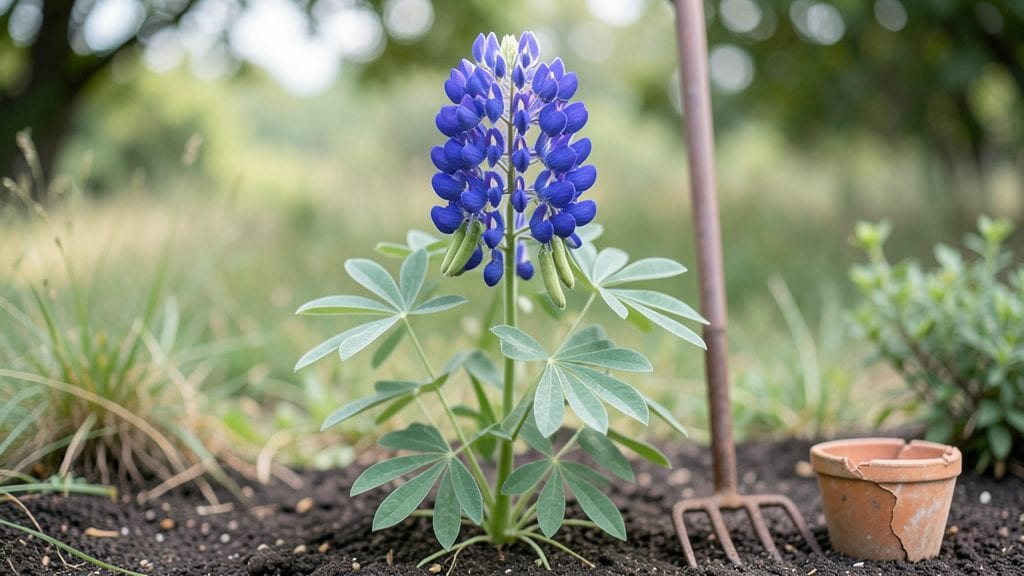
Mastering seed pod identification transforms the way you see your garden—those dried husks are far more than just debris, and each holds secrets about the plant’s past and future. ✨ I used to toss them without a second thought—until I realized each one tells a story about the plant's family, its growth habits, and even how to save its seeds.
That pea pod in your compost? It’s a legume, and it’s packed with nitrogen-fixing secrets for your soil.
The key is learning just a few shapes and textures: legumes split open like a zipper, capsules explode when dry, and follicles uncurl like a spring. Once you spot these patterns—on milkweed’s spiky pods or maple’s winged seeds—you’ll start noticing them everywhere.
It’s like solving a puzzle where every garden plant has its own signature.
This knowledge turns seed saving into a game. Snap a photo of that odd-shaped pod, and you’ll know exactly how to collect, dry, and store its seeds for next year.
No more guessing whether to let them dry on the vine or harvest early. You’ll also spot weeds before they spread, because their pods often give them away.
Grab a magnifying glass and a notebook—we’ll start with the most common pods in your yard and how to tell them apart at a glance. By the end, you’ll see your garden in a whole new light.
📚 In This Guide
- What you need
- Instructions
- Tips and common mistakes
- Wrapping up and next steps
What you need
- ● Magnifying glass or hand lens (10x magnification recommended for close-up inspection).
- ● Field guide or plant identification app (e.g., iNaturalist, PlantNet, or a printed regional flora guide).
- ● Notebook or digital note-taking tool (to record observations like size, shape, texture, and color).
- ● Small plastic bags or envelopes (5–10, for collecting and preserving seed pods safely).
- ● Permanent markers or labels (to tag specimens with location/date).
- ○ Gloves (optional but recommended) if handling prickly or unknown plants (nitrile or latex works well).
- ● Camera or smartphone (with a macro setting for high-resolution photos).
- ● Field press or heavy book (to flatten and preserve dried pods for long-term study).
- ● Ruler or measuring tape (for precise size documentation).
- ● Pruning shears or small knife (for safely harvesting pods without damaging plants).
- ○ Portable UV light (optional) to check for fluorescence in certain seed coatings.
- ● Local botanist or gardening community for expert verification (because teamwork makes the trail sweeter!).
How to identify seed pods by shape and structure
Here's how to spot the subtle clues that reveal a plant's family—no botanical degree needed.
🌱 Step 1: Examine the Pod's Opening Mechanism
Start by looking at how the pod splits open. Legumes like peas and beans split down two seams (called dehiscent pods), revealing rows of seeds inside. These pods are usually flat and elongated—think of a pea pod or bean pod. If it pops open explosively when dry, like a witch hazel pod, that's a capsule type. These often release seeds with a tiny "pop" when touched.
Don’t overlook tiny hinges or flaps—some pods open like little doors (like magnolia seed pods). If the pod doesn’t open at all, it’s indehiscent, meaning it releases seeds through wear or animal activity (common in dandelions or maples). Here’s the thing—this opening style is your first big clue to the plant family.
🌿 Step 2: Check the Pod’s Shape and Texture
Next, note the pod’s overall shape. Is it round and spiky (like a rose hip)? Long and papery (like a milkweed pod)? Winged or feathery (like a maple samara)? These shapes often match the plant’s family. For example, papery pods (like those on milkweed) usually belong to the milkweed family (Asclepiadaceae), while spiky, berry-like pods (like rose hips) are from the rose family (Rosaceae).
Run your fingers over the pod’s surface—is it smooth, fuzzy, or covered in tiny bumps? A fuzzy or hairy pod (like those on some legumes) often indicates a plant adapted to dry climates. If it’s smooth and leathery, it might be from a tropical or subtropical plant. Texture clues help narrow it down further.
💧 Step 3: Look Inside for Seed Arrangement
Gently open a mature pod (if it’s dry and brittle, it’s ready) and peek inside. Are the seeds arranged in a single row (like peas or beans)? Scattered randomly (like in a dandelion)? Wrapped in fluffy fibers (like cotton from a cottonwood)? These patterns are family signatures. For instance, single-row seeds are classic for legumes (Fabaceae), while winged seeds (like maple samaras) are from the maple family (Aceraceae).
If the pod contains tiny, dust-like seeds, it’s likely from a plant in the Asteraceae family (like sunflowers or dandelions). Pay attention to whether the seeds are hard and dry (like acorns) or soft and fleshy (like in a tomato). This tells you whether the plant relies on animals or wind for dispersal.
☀️ Step 4: Note the Plant’s Growth Habit Nearby
Seed pods don’t grow in isolation—they’re attached to plants with distinct habits. Is the plant a tree (like a maple or oak), a shrub (like a rose bush), or a herbaceous annual (like a sunflower)? Trees often have large, heavy pods (like acorns or walnuts), while herbs produce small, lightweight pods (like those on basil or mint). Observe whether the plant has compound leaves (like legumes) or simple leaves (like roses).
Here’s where it gets fun—some pods even change color as they mature. A green pod turning brown or black is a sign it’s ready to release seeds. If the pod stays green but dries out, it might be from a succulent or cactus family (like a prickly pear). Always check the plant’s surroundings for clues.
✂️ Step 5: Compare to Known Examples
Now, pull out your phone or a field guide and compare what you’ve observed to known examples. Snap a photo of the pod and search for its shape online—websites like the USDA Plants Database or iNaturalist can help. If you’re unsure, look for pods with similar structures in your area. For example, if you find a long, pea-like pod, it’s likely from the Fabaceae family (legumes).
Real talk—some pods are tricky, and that’s okay. If you’re still stuck, focus on the pod’s attachment point. Does it grow directly from the stem (like a pea pod) or on a stalk (like a milkweed pod)? This small detail can be the final piece of the puzzle. Keep a notebook with your observations—over time, you’ll start recognizing patterns without even thinking.
Tips & tricks for perfect seed pod identification
These little details make all the difference when you're trying to figure out what plant you're looking at.
The Opening Mechanism Clue: Pay close attention to how the pod splits open in Step 1—this is your first big hint! If you see two clean seams splitting down the middle, you're dealing with a legume family plant like peas or beans. I always check for that telltale "pop" sound with witch hazel pods—they're like tiny firecrackers! If it doesn't open at all, you're looking at an indehiscent pod, which usually means wind or animals will handle seed dispersal.
Texture Tells the Story: In Step 2, run your fingers over the pod's surface before looking at shape. A fuzzy or hairy texture (like on some legumes) often means the plant comes from dry climates. I learned this the hard way—once I assumed a smooth pod was from a tropical plant, but it turned out to be a local oak variety! Always check for tiny bumps or ridges that can help narrow down the family.
Seed Arrangement Secrets: When you open that pod in Step 3, what you see inside is pure gold. Single rows of seeds? Classic legume family. Tiny dust-like seeds scattered everywhere? You're probably looking at something from the Asteraceae family like dandelions. I keep a small magnifying glass in my pocket for this exact purpose—it's amazing how much detail you miss with the naked eye.
Color Change Watch: In Step 4, don't overlook color changes as pods mature. A green pod turning brown or black is your signal that seeds are ready to release. I've seen people miss this completely and assume a pod was from a different family just because it stayed green. Keep an eye on that color transformation—it's one of the most reliable clues!
Pro Tips for Seed Pod Identification
- These little details make all the difference when you're trying to figure out what plant you're looking at.
- The Opening Mechanism Clue: Pay close attention to how the pod splits open in Step 1—this is your first big hint!
- Texture Tells the Story: In Step 2, run your fingers over the pod's surface before looking at shape.
Frequently asked questions
Got questions about seed pod identification? You’re not alone! Whether you're curious about what’s growing in your yard or trying to troubleshoot a mystery plant, here are some of the most common questions—and answers—to help you out.
What are the most common seed pods I might find in my yard or garden?
Seed pods vary widely by plant, but some of the most recognizable ones include maple samaras (those helicopter-like pods), acorn caps (from oak trees), cottonwood fluff (light and fuzzy), and milkweed pods (long and slender, often splitting open). Grasses and weeds like dandelions or purslane also produce distinctive seed pods.
When is the best time of year to identify seed pods?
The ideal time to spot and identify seed pods is late summer to early fall, when many plants release them. However, some pods (like acorns or maple samaras) may linger into winter. If you’re dealing with a plant that drops pods year-round (e.g., dandelions), timing isn’t as critical—but fresh pods are easier to ID!
How can I tell if a seed pod is from a poisonous plant?
Some seed pods belong to toxic plants, like castor beans (spiky, greenish pods) or oleander (long, slender pods). If you’re unsure, avoid touching or ingesting anything unfamiliar. Use a plant ID app or consult a local nursery or extension service for confirmation. When in doubt, keep pets and kids away!
Do I need a microscope to identify seed pods, or can I use just a camera?
Nope! A smartphone camera with a macro mode or even a simple close-up shot works great for seed pod ID. Focus on details like shape, texture, color, and how the pod opens. Apps like iNaturalist or PictureThis can help match your photos to known species. Just avoid blurry or distant shots—clarity is key!
What should I do if I can’t identify a seed pod at all?
If your seed pod stumps you, try these steps:
- Check for leaves, flowers, or stems nearby—they can hint at the plant’s family.
- Note the location (e.g., under a tree, in a garden bed, or near a sidewalk).
- Post a photo on forums like Reddit’s r/whatsthisplant or Facebook gardening groups.
- Visit a local botanical garden or university extension office for expert help.
Wrapping up and next steps
Mastering seed pod identification opens doors to a deeper appreciation of nature’s diversity—and now, you’ve got the tools to explore it! 🌿 Whether you’re a gardener, botanist, or curious hobbyist, recognizing these unique structures helps you connect with the plants around you.
Next, put your new knowledge to the test: grab a notebook, head outdoors, and collect a few seed pods to study up close. Who knows? You might just uncover a hidden treasure in your own backyard!