
Flowers
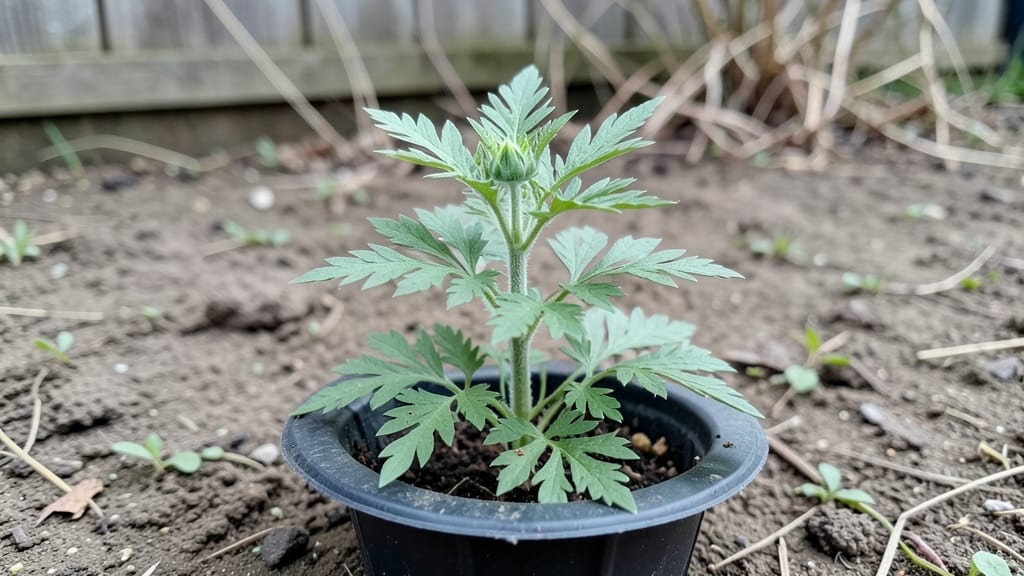
Growing cosmos flower seedlings from seed is the fastest way to fill your garden with those effortless, daisy-like blooms by midsummer. ✨ I’ve started cosmos seeds every spring, and the secret to strong seedlings isn’t complicated—it’s about light, warmth, and a little patience.
The first true leaves appear in just 7-10 days, and by 60 days, you’ll have towering stems bursting with color.
You’ll need a sunny windowsill, a shallow tray, and a mix of potting soil and perlite to keep roots happy. Cosmos seeds germinate best in 70-75°F soil, so a heat mat helps if your home runs cooler.
Water gently—just enough to keep the soil damp, not soggy—and avoid disturbing the tiny sprouts as they push through. Most beginners overwater here, which leads to weak stems or mold.
Once those first leaves unfurl, give seedlings 4-6 hours of direct sunlight daily to prevent legginess. Pinch back the tallest stems when they’re 4-6 inches tall to encourage bushier growth.
By the time you transplant outdoors, your cosmos will be stocky, vibrant, and ready to take over your garden beds with minimal fuss.
This method works in zones 3-11, whether you’re in a cold mountain valley or a hot desert town. The key is consistency—cosmos are forgiving, but they’ll reward you best when you keep them evenly moist and in full sun. Let’s get those seeds sprouting!
📚 In This Guide
- What you need
- Instructions
- Tips and common mistakes
- Wrapping up and next steps
What you need
- ● Cosmos flower seeds – 10-20 seeds (choose a variety like Cosmos bipinnatus or Cosmos sulphureus for best results).
- ● Seed-starting trays or small pots – 2-4-inch diameter, with drainage holes (biodegradable pots work too!).
- ● Seed-starting mix – Lightweight, sterile potting soil (avoid garden soil—it’s too dense!).
- ● Watering can or spray bottle – For gentle hydration (no drowning the seeds!).
- ● Grow lights or sunny windowsill – 6-8 hours of light daily (south-facing windows or LED grow lights work best).
- ○ Plastic wrap or humidity dome – To keep seeds moist until germination (optional but helpful!).
- ● Fertilizer – Balanced liquid fertilizer (5-5-5 or 10-10-10) for faster growth (dilute to half-strength!).
- ● Heat mat – Speeds up germination in cooler climates (70-75°F is ideal).
- ● Tweezers – For delicate seed handling (especially if seeds are tiny!).
- ● Labeled markers – To track seed varieties and planting dates.
- ● Outdoor hardening-off tray – For transitioning seedlings to outdoor conditions.
Step-by-Step instructions for growing cosmos flower seedlings
Here’s how to coax vibrant cosmos seedlings into bold, sun-loving blooms in just two months.
🌱 Step 1: Start Seeds Indoors or Direct-Sow in Warm Soil
Cosmos seeds germinate best when soil temperatures reach 60-65°F, so either start them indoors 4-6 weeks before your last frost or sow directly in the garden after all frost risk has passed. I prefer direct-sowing because cosmos seedlings dislike root disturbance, but if you’re in a cooler climate, use biodegradable peat pots filled with the seed-starting mix to transplant without disturbing roots.
Scatter seeds ¼ inch deep—they’re tiny, so I tap the packet gently to release them one by one. Space them 12 inches apart to avoid thinning later. Cosmos seeds need light to germinate, so don’t bury them too deep. Keep the soil evenly moist (not soggy) until sprouts appear in 7-14 days. If you’re sowing outdoors, mark rows with sticks to avoid disturbing seedlings during germination.
☀️ Step 2: Provide Bright, Indirect Light and Prevent Legginess
Once seedlings emerge, move them to a sunny windowsill or under a grow light providing 12-14 hours of light daily. Cosmos seedlings stretch toward light like little sun-worshippers, so if they grow thin and pale (a sign of legginess), raise the light source or rotate the pots quarter-turn daily to encourage even growth. You’ll know they’re happy when they develop deep green leaves and compact stems—no more than 3-4 inches tall before transplanting.
If you’re growing indoors, harden off seedlings by placing them outside in partial shade for 2 hours daily a week before transplanting. This toughens them up so they don’t bolt or wilt once in the garden. Watch for first true leaves (the second set after the initial cotyledons) before transplanting—this ensures they’re strong enough to handle outdoor conditions.
🪴 Step 3: Transplant Seedlings to the Garden at the Right Time
Wait until soil temperatures are consistently above 60°F and all frost risk has passed. Cosmos thrive in full sun to partial shade, so choose a spot with at least 6 hours of direct sunlight daily. Dig holes twice as wide as the root ball but no deeper—cosmos roots are shallow, and burying them too deep causes rot. Gently remove seedlings from their pots, tease apart any tangled roots, and place them in the holes.
Fill the holes with soil, firm it lightly around the base, and water deeply to settle the roots. Space plants 12-18 inches apart for bushier varieties or 24 inches apart for taller cosmos. Mulch with 1-2 inches of organic mulch to retain moisture and suppress weeds. You’ll see new growth within 5-7 days—that’s your sign they’ve taken root.
💧 Step 4: Water Deeply and Fertilize Lightly for Bold Blooms
Cosmos are drought-tolerant once established, but seedlings need consistent moisture to prevent wilting. Water deeply 1-2 times per week, soaking the soil 6 inches down each time. You’ll know it’s enough when water runs out the drainage holes. Overwatering leads to yellowing leaves or mushy stems, so let the top 1-2 inches of soil dry out between waterings.
Feed seedlings with balanced liquid fertilizer (10-10-10) every 4-6 weeks starting when they’re 6 inches tall. Too much fertilizer produces more leaves than flowers, so I skip heavy feeding—cosmos reward restraint with prolonged blooming. Deadhead spent blooms by pinching off flowers just below the base to encourage nonstop new growth. You’ll notice buds forming within 2-3 weeks of deadheading.
⏰ Step 5: Protect from Pests and Enjoy 60 Days of Color
Cosmos are relatively pest-free, but watch for aphids or Japanese beetles, which love their sweet nectar. Spray off pests with a strong stream of water or introduce ladybugs for natural control. If powdery mildew appears (white dust on leaves), improve airflow by thinning crowded plants and avoid overhead watering.
In 60 days, you’ll be rewarded with cheerful daisy-like blooms in shades of pink, white, or red. Cosmos self-seed prolifically, so a few plants will return next year if you leave spent blooms on the stems. Cut back plants by ⅓ in early fall to encourage a second flush of flowers before frost. Save seeds from your favorite varieties to grow next season—cosmos are the ultimate low-maintenance, high-reward annual.
Tips & tricks for perfect cosmos flower seedlings
Here's what I've learned the hard way—these tricks help you avoid the most common pitfalls when growing cosmos from seed.
Soil Temperature Matters: The 60-65°F soil temperature range is non-negotiable for germination. I use a soil thermometer to verify temperatures, especially in cooler climates. If your soil runs cooler, consider using a seedling heat mat—it can make the difference between waiting weeks for sprouts or seeing them emerge in just 7-14 days. This is particularly important if you're starting indoors where ambient temperatures might be lower.
Light Management for Happy Seedlings: When your seedlings reach Step 2 and you're providing 12-14 hours of light, pay special attention to the light source positioning. I've found that keeping the grow light 4-6 inches above the seedlings prevents legginess better than simply increasing light duration. Rotate your trays quarter-turn daily to ensure even growth—this simple habit prevents the seedlings from stretching toward one light source and creates more compact, sturdy plants ready for transplanting.
Transplanting Technique: The 5-7 day waiting period after transplanting isn't just about watching for new growth—it's about ensuring the roots have properly established. I always water deeply right after transplanting, then wait until the top 1-2 inches of soil are dry before watering again. This prevents root rot while encouraging the plants to seek out moisture deeper in the soil. The wider-than-deep planting holes create the perfect environment for those shallow cosmos roots to spread out comfortably.
Fertilizer Strategy: The 4-6 week feeding schedule starting when plants reach 6 inches tall is designed to prevent over-fertilization, but I've found that even this light approach can be too much in some conditions. If you notice rapid leaf growth with few flowers, you're overdoing it. I recommend using half-strength fertilizer solution the first time you feed, then adjusting based on plant response. The goal is to encourage blooms, not foliage.
Pro Tips for Cosmos Flower Seedling
- Here's what I've learned the hard way—these tricks help you avoid the most common pitfalls when growing cosmos from seed.
- Soil Temperature Matters: The 60-65°F soil temperature range is non-negotiable for germination.
- Light Management for Happy Seedlings: When your seedlings reach Step 2 and you're providing 12-14 hours of light, pay special attention to the light source positioning.
Frequently asked questions
How long does it take for cosmos seedlings to sprout?
Cosmos seeds are fast growers! You’ll typically see sprouts in 7–14 days after planting, especially in warm soil (60–70°F). Keep the soil moist but not soggy, and place trays in a sunny spot (or under grow lights) to speed up germination. Patience pays off—just a little longer if your space is cooler.
When is the best time to plant cosmos seedlings outdoors?
Wait until after the last frost and when nighttime temps stay above 50°F (10°C). Cosmos seedlings handle heat well, so spring or early summer is ideal in most climates. For a fall display, plant 8–10 weeks before your first frost date. Harden off seedlings for 5–7 days before transplanting to avoid shock.
Why are my cosmos seedlings leggy or stretching?
Leggy seedlings usually mean too little light. If they’re reaching toward the sun, move trays to a sunnier window or under grow lights (12–16 hours/day). Reduce watering slightly—overwatering can weaken stems. Once outdoors, they’ll bounce back fast! For extra support, pinch back the tips to encourage bushier growth.
Can I grow cosmos from seed directly in the garden, or should I start indoors?
Both work! Cosmos seeds are hardy and fast-growing, so you can direct-sow them outdoors after frost. For earlier blooms, start indoors 4–6 weeks before the last frost. If sowing directly, scatter seeds lightly (they need light to germinate) and keep soil moist. Thin seedlings to 12–18 inches apart for full, airy blooms.
What pests or diseases should I watch for in cosmos seedlings?
Cosmos are generally pest-resistant, but keep an eye out for aphids, spider mites, or slugs. Treat aphids with a strong spray of water or neem oil. For slugs, set up beer traps or handpick them at night. Overwatering can lead to powdery mildew, so water at the base and ensure good airflow. Healthy seedlings = fewer problems!
How do I encourage more blooms on my cosmos plants?
Deadhead spent flowers (snip off faded blooms) to promote continuous blooming. Cosmos thrive in full sun and well-draining soil, so fertilize lightly with a balanced 10-10-10 mix every 4–6 weeks. Avoid heavy nitrogen—it’ll boost leaves over flowers! With these tips, your plants will burst into color all season.
Wrapping up and next steps
Growing cosmos flower seedlings is a rewarding journey that brings vibrant blooms to your garden in just 60 days! With the right soil, sunlight, and care, you’ll enjoy a burst of cheerful colors—from pinks to whites—while attracting pollinators.
Whether you’re a beginner or a seasoned gardener, these easy-to-grow beauties are a fantastic addition to any space.
Ready to dive in? Start with your seedlings today—plant them, nurture them, and watch your garden transform into a lively cosmos paradise! 🌸✨