
Vegetables
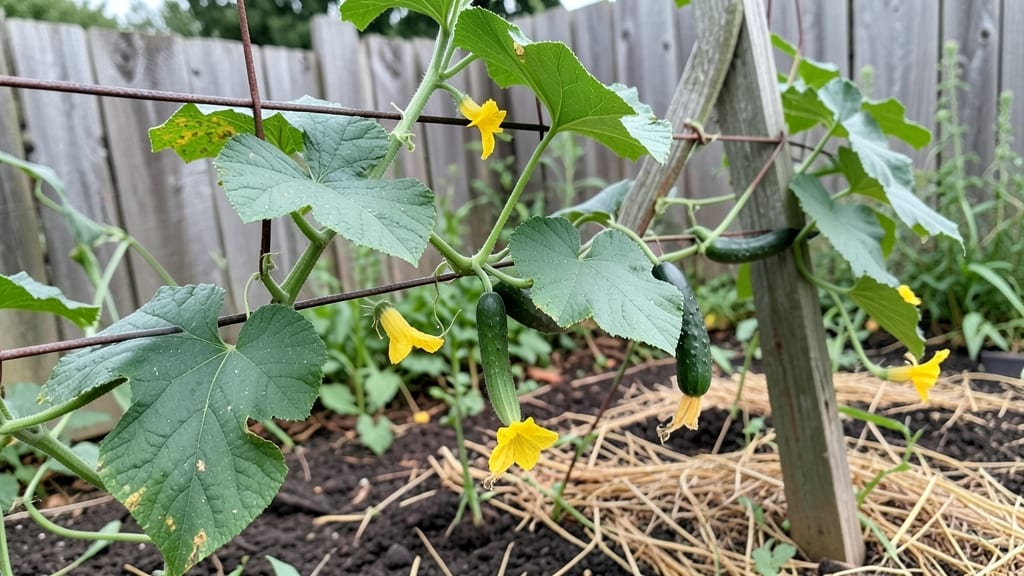
Saving Corinto cucumber seeds for next year’s garden is the easiest way to guarantee those crisp, sweet, 6-inch cucumbers you’ll never find at the store. ✨ I’ve been drying and storing seeds for over a decade, and this method keeps them viable for years—no fancy equipment, just a little patience and the right timing.
The secret lies in letting the cucumbers mature fully on the vine before harvesting. Pick them when they’re completely ripe—bright yellow-green with a slight softness—and scoop out the seeds with a spoon.
Rinse them in water for three days, then spread them on a screen to dry in a warm, dark spot. Within a week, they’ll be ready for storage in an envelope.
By next spring, you’ll be planting seeds that grow into high-yielding vines with fewer bitterness issues than store-bought varieties. The flavor? Unmatched—buttery, sweet, and perfect for slicing fresh. Plus, you’ll save money and avoid the disappointment of hybrid seeds that don’t breed true.
Works in zones 4-10, though warmer climates may need shade cloth in peak summer. Store seeds in a cool, dry place, and they’ll stay good for 3-5 years. Here’s how to do it right the first time—no more guessing or wasted seeds.
📚 In This Guide
- What you need
- Instructions
- Tips and common mistakes
- Wrapping up and next steps
What you need
- ● Mature Corinto cucumbers: 3–5 fully ripened (yellow) cucumbers per batch—pick them when they’re soft and slightly wrinkled.
- ● Knife or cucumber slicer: A sharp, clean knife (or a dedicated slicer) to open the cucumbers without crushing the seeds.
- ● Large bowl: A deep, non-reactive bowl (glass or ceramic) to collect seed pulp and water.
- ● Strainer or fine-mesh sieve: For rinsing seeds thoroughly (a kitchen strainer with small holes works best).
- ● Paper towels or clean cloth: To blot excess moisture from dried seeds.
- ● Air-tight containers: Small envelopes (paper or mylar bags) or glass jars with tight lids for storage.
- ● Permanent marker or labels: To tag containers with the seed variety and harvest year.
- ○ Desiccant packets (optional but helpful): 1–2 packets (like those in shoe boxes) to absorb excess moisture in storage containers.
- ● Clean workspace: A flat, easy-to-clean surface (like a countertop or table) to avoid contamination.
- ● Water: Enough to fill the bowl halfway for fermenting seeds (room temperature).
- ● Patience (3–5 days): Seeds need time to ferment and separate from pulp—plan ahead!
- ● Cool, dark storage: A pantry or seed vault with consistent temps (50–70°F / 10–21°C) and low humidity.
Instructions for harvesting, drying, and storing Corinto cucumber seeds
Saving seeds from your Corinto cucumbers ensures next year’s harvest starts with the best genetics—and it’s easier than you think.
🌿 Step 1: Select and Harvest Ripe Cucumbers
Pick cucumbers that are fully mature but still firm—look for the classic Corinto shape, with a deep green color and no soft spots. Avoid cucumbers that have been exposed to cold, as this can affect seed viability. Harvest on a dry morning when the plants are free of dew to prevent moisture from sticking to the seeds later.
Cut the cucumber open lengthwise with a clean knife and scoop out the seeds along with the surrounding gel-like pulp. Place the pulp and seeds in a small bowl or container. The gel contains enzymes that help break down the seed coat, so don’t rinse it away yet. You’ll need about 4 ripe cucumbers to yield enough seeds for next year’s planting.
💧 Step 2: Ferment the Seeds to Clean Them Naturally
Cover the bowl with a clean cloth or lid and let it sit in a warm, dark place (around 70-75°F) for 3-5 days. The gel will ferment, causing the good seeds to sink to the bottom while bad or immature seeds float to the surface. Stir the mixture gently once a day to keep the process moving.
After 3 days, check for fermentation progress—you’ll see bubbles forming and a slightly sour smell. This is normal and necessary. Once most of the seeds have sunk, carefully pour off the remaining pulp and water, leaving only the settled seeds in the bowl. Rinse the seeds under lukewarm water to remove any lingering gel, then drain them in a fine-mesh strainer or colander.
☀️ Step 3: Dry the Seeds Thoroughly
Spread the rinsed seeds in a single layer on a clean, dry paper towel or seed drying screen. Place them in a warm, dry, well-ventilated spot (like a sunny windowsill or a dehumidifier-free room). Avoid direct sunlight, which can overheat and crack the seeds. Stir them gently every few hours to ensure even drying.
Drying takes 5-7 days depending on humidity. The seeds are ready when they’re completely dry and brittle—crush one between your fingers to test. If it shatters easily, they’re done. Store the dried seeds in a small envelope or airtight container labeled with the variety (Corinto) and year. Keep them in a cool, dark place (like a pantry) where they’ll stay viable for 3-5 years.
⏰ Step 4: Test Seed Viability Before Planting
Before you plant next year, test a few seeds to confirm they’re still good. Place 10 seeds between two damp paper towels in a sealed plastic bag and keep them in a warm spot (75°F). Check for sprouts in 5-7 days. If 80% or more germinate, your seeds are ready to plant. If fewer sprout, try a different batch or save more seeds this year.
Corinto cucumbers are sensitive to cross-pollination, so save seeds only from plants you’ve isolated or grown in a small, controlled space to maintain true variety traits. If you notice any mottled or striped cucumbers in your harvest, those seeds may not produce true Corinto plants next year.
Tips & tricks for perfect Corinto cucumber seed preservation
Here's how to avoid common pitfalls and ensure your Corinto cucumber seeds stay viable for years to come.
Selection is Everything: In Step 1, focus on cucumbers that are firm and free of blemishes—they yield the highest quality seeds. I've learned the hard way that soft or cold-exposed cucumbers produce seeds with poor germination rates. Look for that classic Corinto shape and deep green color as your quality indicators. Remember, you'll need about 4 ripe cucumbers to get enough seeds for next year's planting.
Fermentation Timing Matters: During the 3-5 day fermentation in Step 2, maintain that warm (70-75°F) temperature consistently. I've found that using a small appliance like a seedling heat mat set to 75°F works perfectly if your kitchen isn't warm enough. The fermentation process separates viable seeds from bad ones—don't rush it! After 3 days, you'll see bubbles and that slightly sour smell, which means the process is working. This step is absolutely critical for clean, viable seeds.
Drying Strategy: For Step 3, I recommend using a seed drying screen over paper towels—they provide better airflow and prevent moisture buildup. Place your drying setup in a spot with indirect sunlight and good ventilation, like near an open window with a fan blowing gently across it. Stirring the seeds every few hours prevents clumping and ensures even drying. The seeds are ready when they shatter easily between your fingers—this usually takes 5-7 days depending on your humidity levels.
Storage Wisdom: After drying, store your Corinto seeds in a small envelope with a label that includes both the variety name and year. I keep mine in a cool, dark pantry where they'll stay viable for 3-5 years. For extra protection, you can place a small packet of silica gel in the container—this helps absorb any remaining moisture and extends shelf life even further. Remember to test seed viability before planting next year to confirm they're still good!
Pro Tips for Corinto Cucumber Seeds
- Here's how to avoid common pitfalls and ensure your Corinto cucumber seeds stay viable for years to come.
- Selection is Everything: In Step 1, focus on cucumbers that are firm and free of blemishes—they yield the highest quality seeds.
- Fermentation Timing Matters: During the 3-5 day fermentation in Step 2, maintain that warm (70-75°F) temperature consistently.
Frequently asked questions
When is the best time to harvest Corinto cucumbers for seed saving?
Harvest your Corinto cucumbers when they’re fully mature but still firm—usually 70–80 days after planting. Look for yellowing or brown spots on the skin (a sign of seed ripeness). Avoid overripe or moldy fruit, as it can affect seed viability. Aim for late summer or early fall for optimal results!
How long can I store Corinto cucumber seeds before planting?
Properly dried and stored Corinto seeds can last 3–5 years with good germination rates. Store them in a cool, dark, and dry place (like a sealed jar in the fridge or freezer) to maximize longevity. Check for moisture or pests annually—discard any seeds that smell off or look discolored.
Can I use store-bought Corinto cucumbers for seeds?
While you can try, it’s not ideal. Store-bought cucumbers are often hybridized for shelf life, not seed viability. For true-to-type Corinto traits, save seeds from heirloom or open-pollinated plants grown in your garden. If you must use store-bought, pick organic, non-hybrid varieties for the best chance of germination.
Why aren’t my Corinto cucumber seeds germinating?
Common culprits include old seeds (test viability by soaking a few in water—if they sink, they’re likely good), improper drying (seeds need 1–2 weeks to dry fully), or wrong storage conditions (humidity or heat can kill them). Try stratifying (chilling seeds for 1–2 weeks) or soaking in warm water overnight to encourage sprouting.
What’s the best way to dry Corinto cucumber seeds?
After scooping seeds from fermented cucumber pulp, rinse and pat them dry. Spread them on a paper towel or mesh screen in a well-ventilated, shady spot for 1–2 weeks. Stir occasionally to prevent mold. Once completely dry (they’ll rattle in the pod), store them in a paper envelope or glass jar with a silica packet to absorb moisture.
Wrapping up and next steps
Growing your own Corinto cucumbers from saved seeds is a rewarding way to enjoy fresh, flavorful harvests year after year! By mastering the art of drying and storing seeds properly, you’ll ensure a steady supply of crisp, sweet cucumbers for seasons to come.
Whether you’re a seasoned gardener or just starting out, this skill will save you money and deepen your connection to the garden.
Ready to take the next step? Plant those dried seeds in your spring garden and watch your Corinto cucumbers thrive! 🌱 For extra success, jot down notes on what worked (or didn’t) this season—your future self will thank you. Happy gardening!