Diseases
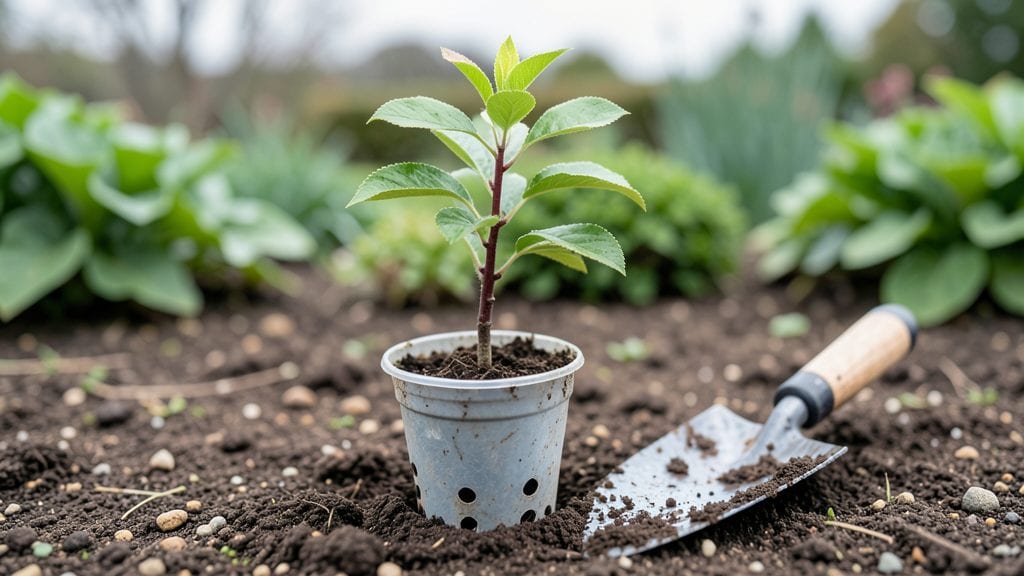
You can grow a plum tree from a plum seed, but the results are highly unpredictable—seedlings rarely match the parent tree's fruit quality. Germination demands cold stratification, and fruit production may take 5-7 years (if it happens at all).
Plum seeds carry genetic traits that often diverge from the parent tree, which is why nurseries prefer grafting for consistent fruit quality. 🌱 The cold stratification process mimics winter conditions, breaking seed dormancy by exposing them to 40-50°F temperatures for 6-8 weeks.
I’ve found that patience is key—some seeds take months to sprout, while others never break through. Even when successful, the resulting tree might produce small, tart fruit or none at all, making this method more of an experiment than a reliable gardening strategy.
For those eager to see results faster, tissue culture offers a more controlled alternative, though it requires specialized equipment. The real reward here lies in the learning process—understanding plant genetics and persistence.
If you’re willing to take the gamble, start with seeds from heirloom varieties, as they tend to produce more predictable offspring than modern hybrids.
💡 In This Article
- Germination Process for Plum Seeds Explained
- Tips for Maximizing Plum Seed Germination Success
Germination process for plum seeds explained
Plum seeds need a carefully controlled process to break their natural dormancy, called cold stratification. This mimics the winter chilling period trees experience in nature. The key is exposing the seed to 40-50°F temperatures for 6-8 weeks while maintaining 50-60% humidity.
Without this step, most plum seeds will simply rot or remain dormant indefinitely. Think of it like waking a hibernating animal—too warm too soon, and nothing happens.
Start by removing the seed from the pit and letting it dry for 2-3 days at room temperature. This prevents fungal growth during stratification. Place the seed in a moistened paper towel inside a sealed plastic bag with a small air hole.
Store it in your refrigerator's crisper drawer, where temperatures hover around 38-40°F. Check weekly—if the towel dries out, mist it lightly with water. The seed should plump slightly as it absorbs moisture during this period.
Here's what's actually happening: The cold triggers hormonal changes in the seed that break dormancy. Gibberellins, a class of plant hormones, increase, signaling the embryo to grow. Meanwhile, the seed's outer coat softens slightly, allowing water and oxygen to penetrate more easily.
This process is why some gardeners swear by planting seeds directly in the ground during winter—Mother Nature handles the stratification for free!
Once stratified, transfer the seed to a well-draining potting mix (a 50/50 blend of peat moss and perlite works well) in a small pot. Keep the soil consistently moist but never soggy—overwatering is the #1 killer of germinating plum seeds.
Place the pot in a warm, bright location (around 70-75°F) with indirect sunlight. Germination typically occurs within 2-4 weeks, though some seeds take months or never sprout at all.
The reason seed-grown trees differ from grafted varieties comes down to genetics. Plum trees are self-pollinating, but seeds carry a mix of traits from both parents. This means your seedling might inherit different disease resistance, fruit size, or flavor characteristics.
For example, a seed from a Santa Rosa plum might produce a tree bearing small, tart fruit instead of the sweet, juicy plums you expected. This genetic lottery is why commercial growers use grafting—it guarantees the exact fruit characteristics they want.
For best results, use seeds from heirloom varieties, as modern hybrids often produce sterile seeds. I've found that European plums (Prunus domestica) tend to germinate more reliably than Japanese plums (Prunus salicina).
If you're patient and lucky, you might end up with a unique tree that produces fruit—though it could take 5-7 years to reach maturity. The real magic happens in the waiting, watching those first green shoots push through the soil after months of dormancy. 🌱