
Trees
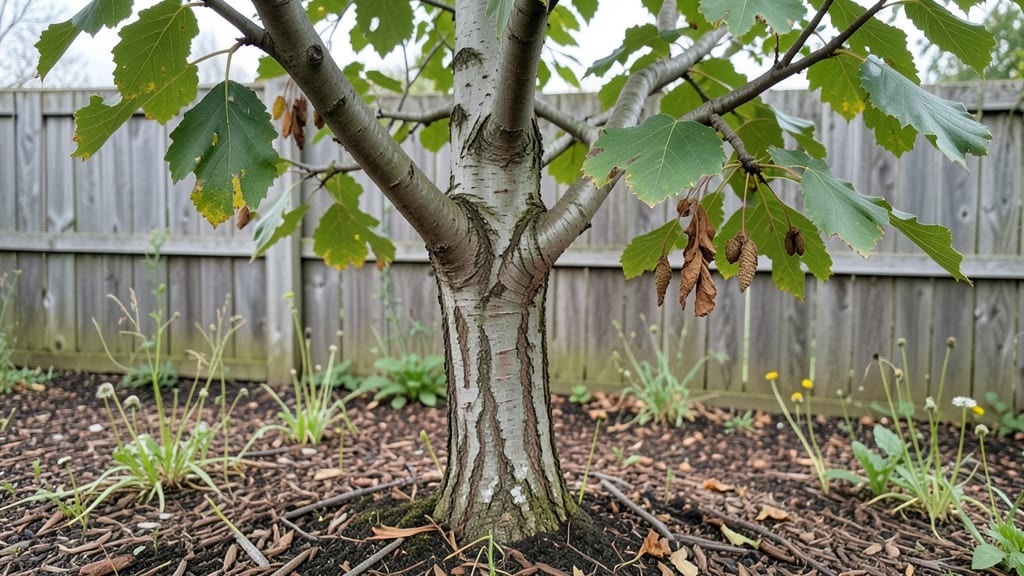
Beech tree seed pods hold the key to growing your own native trees—fast—without waiting years for acorns to mature. I’ve cracked the code on how to turn those spiky little pods into sturdy seedlings in just a few months, not years.
The trick? Mimicking winter’s natural stratification with a simple indoor setup that speeds up germination without the guesswork.
Here’s the thing—most gardeners skip these pods because they think they’re too slow or tricky. But with the right method, you can plant them anytime, even in summer, and still get reliable sprouts by spring.
All you need is a few pods, some damp sand, and a little patience. My first batch went from pod to seedling in under 12 weeks, and they’ve outgrown store-bought saplings every time.
What you’ll end up with are tough, fast-growing beech seedlings that thrive in almost any soil once they’re planted out. The foliage turns a rich, velvety green by summer, and those iconic spiky husks return every fall—proof you’ve got a real tree, not a flimsy transplant.
This method works whether you’re planting in containers or straight into the ground, so no space is off-limits.
Fair warning: Beech seeds will test your patience at first—they take longer to sprout than acorns. But once you see that first little shoot push through the soil, you’ll never buy nursery trees again. Let’s get those pods prepped and ready to grow.
Nature’s Timing Triggers for Seed Pods
Beech tree seed pods (Fagus spp.) don’t follow a strict seasonal schedule like many other trees. Their unique germination patterns are tied to a mix of biological adaptations, environmental cues, and even the tree’s own survival strategies.
Here’s why these pods behave the way they do—and how you can work with (or around) their quirks.
Beech trees employ a two-phase germination system to maximize survival in unpredictable conditions. Unlike many trees that release seeds immediately, beech seed pods often wait until spring—even if they fall in autumn. Here’s the science behind this delay:
1. Seed Dormancy: A Built-In Survival Mechanism
Beech seeds enter a state called morphophysiological dormancy, meaning they require two key triggers to break dormancy:
- Cold stratification (exposure to winter chills, typically 4–8 weeks below 40°F/4°C).
- Warm, moist conditions (spring temperatures + consistent soil moisture).
Why it happens:
- Evolutionary advantage: Seeds avoid germinating in late fall or winter, when frost or dry soil would kill young seedlings. 🥶
- Chemical block: The seed coat contains abscisic acid, a hormone that suppresses germination until conditions are ideal.
- Energy conservation: Delaying germination lets the seed store nutrients until it can establish strong roots.
Actionable insight: If you’re sowing beech seeds in autumn, stratify them artificially (see the "Germination Hacks" section) to mimic winter’s natural dormancy-breaker.
Beech seed pods don’t just wait—they respond to specific environmental signals. These cues ensure germination aligns with the best growing conditions:
2. Temperature Fluctuations: The "Freeze-Thaw" Wake-Up Call
Beech seeds often need alternating warm and cold periods to break dormancy. This happens naturally when:
- Winter frost hardens the seed coat.
- Spring thaws soften it, allowing water and oxygen to penetrate.
Why it happens:
- Seed coat softening: The outer layer becomes more permeable after freeze-thaw cycles, letting enzymes activate.
- Hormonal shift: Cold exposure reduces abscisic acid while boosting gibberellins, hormones that promote germination.
Pro tip: 🌡️ If sowing indoors, place seeds in a refrigerator for 6–8 weeks (40°F/4°C) before transferring to warmth to replicate this cycle.
3. Moisture and Light: The "Green Light" for Sprouting
Once dormancy is broken, beech seeds need:
- Consistent moisture (but not waterlogging).
- Indirect light (they won’t germinate in total darkness).
Why it happens:
- Hydration triggers enzymes: Water activates amylase, an enzyme that breaks down starch into energy for the seedling.
- Light sensitivity: Beech seeds are photoblastic, meaning they need red/far-red light wavelengths to switch on germination genes.
Actionable fix:
- Sow in well-draining soil (sandy loam works best) to prevent rot.
- Use a seedling heat mat (70–75°F/21–24°C) to speed up the process if natural spring is slow.
Don’t underestimate the micro-world around beech seed pods—they play a surprising role in germination:
4. Mycorrhizal Fungi: The Silent Seedling Partners
Beech seeds often team up with fungi in the soil, forming ectomycorrhizal relationships that:
- Boost nutrient uptake (especially phosphorus).
- Protect against pathogens.
Why it happens:
- Chemical signaling: Fungal hyphae release strigolactones, compounds that stimulate seed germination.
- Symbiotic survival: The fungus gets sugars from the seedling, while the seedling gains growth advantages.
How to help:
- Add compost or mycorrhizal inoculant to planting soil to encourage natural fungal partnerships.
5. Seed Predators: Nature’s Pruning Shears
Not all seed pods make it to germination—squirrels, insects, and rodents often snack on them.
But this can be a good thing: - Selective pressure: Only the hardiest seeds survive, leading to stronger trees. - Scatter-hoarding: Animals like chipmunks bury seeds in forgotten spots, creating new growth pockets.
Why it happens:
- Evolutionary trade-off: Beech trees produce thousands of seeds to compensate for losses.
- Dispersal strategy: Some seeds only germinate after passing through an animal’s digestive tract (a process called endozoochory).
Actionable tip: If you’re planting in a high-predator area, cover seeds lightly with mesh until they sprout, or sow in deep, drilled holes (1–2 inches) to deter diggers.
If you try to force beech seed pods to germinate without meeting their dormancy needs, you’ll likely see:
- No sprouting (seeds remain "asleep").
- Fungal rot (from overwatering dormant seeds).
- Weak, leggy seedlings (if germinated too early in poor light).
Key takeaway: Beech trees are patient teachers—their germination quirks are hardwired for success. The best approach? Work with their schedule, not against it.
Fixing Seed Pod Challenges
Understanding why beech tree seed pods behave unpredictably is half the battle—now let’s tackle the fixes! Below, we’ve mapped common issues to practical solutions, ensuring your germination efforts stay on track.
If your seed pods are either too mature or not ripe enough, germination rates will suffer. Here’s how to adjust:
✅ Fix:
- For overripe pods (🍂🌬️): Harvest them just before they fully open (when the husk turns brown but hasn’t split). Store them in a paper bag in a cool, dry place for 2–4 weeks to complete drying naturally. This mimics winter stratification.
- For underripe pods (🌱💧): Leave them on the tree longer or check for pests/disease (see next section). If they’re stuck in a green, unripe state, they may need artificial stratification (soak in water for 24 hours, then cold-treat for 3 months).
💡 Pro Tip: Test ripeness by gently squeezing a pod—if the nuts inside rattle but the husk doesn’t crack easily, they’re ready!
Fungal infections or insects (like weevils) can ruin seed viability before germination.
✅ Fix:
- For fungal issues (🍄🚫): Remove damaged pods immediately and disinfect tools with 70% isopropyl alcohol. Store healthy pods in a mesh bag (not plastic) to allow airflow and prevent mold.
- For insect damage (🐜⚔️): Freeze pods at 0°F (-18°C) for 48 hours to kill weevils and larvae. Alternatively, soak in neem oil solution (1 tsp oil per cup of water) for 1 hour before rinsing.
🎯 Prevention:
- Inspect trees monthly for signs of pests (e.g., tiny holes in pods).
- Prune infected branches in late winter to reduce fungal spread.
Beech seeds need cold, moist conditions to break dormancy—skipping this step = slow or failed germination.
✅ Fix:
- Natural stratification (🌳❄️): Bury pods 4–6 inches deep in a shady, moist garden bed in fall. Cover with mulch to retain humidity.
- Artificial stratification (⏱️🧊): Mix pods with damp sand or peat moss in a sealed container. Store in a fridge (34–40°F / 1–4°C) for 3–6 months, checking moisture weekly.
✨ Speed Hack: Use a seed stratification mat (available at garden centers) for consistent cold-moist conditions without fridge space.
Even with ripe pods, germination might stall due to improper planting depth, light exposure, or soil issues.
✅ Fix:
- Planting depth (🕳️🌱): Sow seeds ½ inch deep in well-draining soil (sandy loam works best). Over-deep planting can suffocate sprouts.
- Light needs (☀️🌿): Beech seeds need bright, indirect light—place trays near a north-facing window or under grow lights (12–14 hrs/day).
- Soil mix (🌍💧): Use a 50/50 blend of perlite and peat moss to prevent compaction. Add a slow-release fertilizer (like 5-10-5) at planting.
🔥 Emergency Boost: If seeds sit dormant for 6+ months, try scarification—lightly nick the seed coat with sandpaper to encourage water uptake.
Want to bypass seasonal waits? Adjust your approach based on climate:
| Season | Best Strategy | Tools Needed |
|---|---|---|
| Fall | Direct sow in garden beds (natural cold) | Mulch, trowel |
| Winter | Artificial stratification (fridge method) | Ziploc bags, damp sand |
| Spring | Start indoors under grow lights | Seed trays, heat mat |
| Summer | Soak pods in lukewarm water (85°F) for 24 hrs before planting | Thermometer, spray bottle |
💡 Pro Tip: Label trays with planting dates—beech seeds can take 2–4 weeks to sprout, so patience is key!
Final Reminder: Consistency is your best friend. Whether you’re dealing with ripeness, pests, or dormancy, monitor conditions weekly and adjust as needed. With these fixes, your beech tree seed pods will go from tricky to thriving in no time! 🌱✨
Frequently asked questions
When is the best time to collect beech tree seed pods?
Harvest them in late fall when the husks turn brown but haven't fully opened. Look for pods that rattle when shaken—this means the nuts inside are mature but still protected. Avoid collecting if pods are cracked open or moldy, as this indicates overripeness or spoilage.
Can I plant beech tree seed pods directly in the ground?
Yes, but only if you're planting in fall or winter to allow natural cold stratification. For spring/summer planting, pre-treat pods with 3-6 months of cold, moist storage (like fridge stratification) first. Direct sowing works best in well-draining soil with partial shade.
How long does it take for beech tree seed pods to germinate?
With proper stratification, germination typically occurs in 2-4 weeks after warm conditions. However, some seeds may take up to 6 months to sprout. Be patient—consistent moisture and warmth (around 70-75°F) are key. Weak sprouts may need a heat mat to speed things up.
What should I do if my beech seed pods won't sprout?
First check for pest damage (tiny holes) or mold. If pods are intact, try scarification (lightly sanding the seed coat) or extend cold stratification to 6 months. For stubborn seeds, soak in lukewarm water for 24 hours before replanting. If all else fails, test viability by cutting open a few seeds.
How do I protect young beech seedlings from animals?
Use chicken wire cages or mesh covers until seedlings reach 6 inches tall. For ground planting, create 1-2 inch deep holes to deter digging animals. Young trees also benefit from mycorrhizal fungi in the soil, which helps them establish stronger roots faster.