
Advice
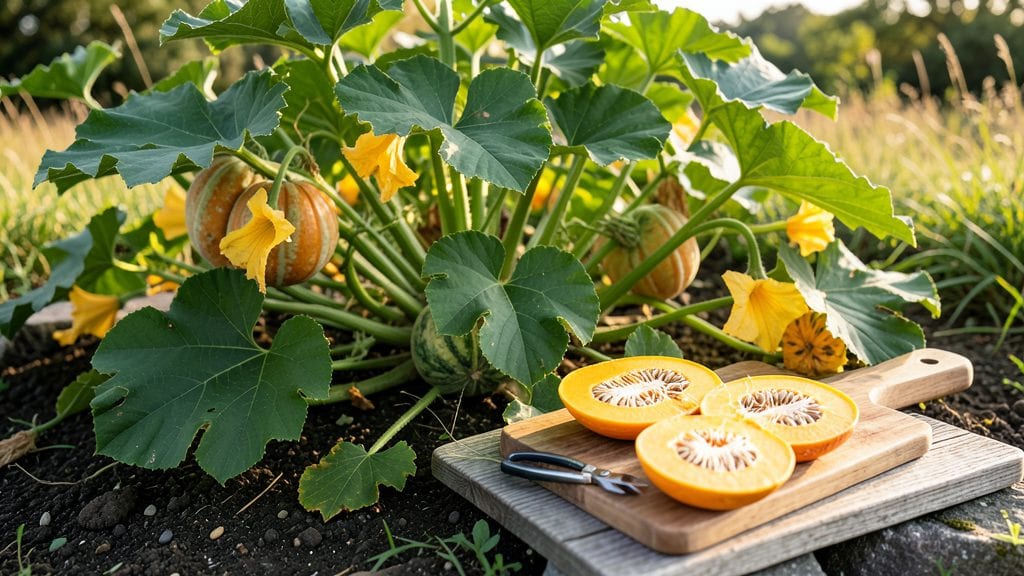
Pumpkin seeds are not poisonous when properly prepared and consumed in moderation, though raw or improperly dried seeds may contain traces of cucurbitacin, a mild toxin. Roasting or cooking neutralizes this compound, making them safe for human and pet consumption in typical serving sizes.
Pumpkin seeds gain their safety through heat processing, which breaks down cucurbitacin—the compound that causes mild digestive upset if consumed raw in large amounts. 🌱 For example, roasting at 300°F for 15-20 minutes not only eliminates toxicity but also enhances their nutty flavor and nutrient absorption.
Even pets can enjoy them in moderation, though shell fragments should always be avoided to prevent choking hazards.
What many people don't realize is that the toxicity risk varies by variety—some heirloom pumpkins contain higher natural levels of cucurbitacin than commercial varieties.
That's why I always recommend checking with your local health provider if you're introducing pumpkin seeds to children or pets for the first time, especially in homemade preparations.
💡 In This Article
- Toxicity Factors in Raw vs Cooked Pumpkin Seeds
- Safe Ways to Eat Pumpkin Seeds for Humans and Pets
Toxicity factors in raw vs cooked pumpkin seeds
The key to understanding pumpkin seed safety lies in cucurbitacin, a naturally occurring compound that serves as a defense mechanism in the pumpkin plant family. Raw seeds contain trace amounts of this bitter-tasting compound, which can cause mild gastrointestinal distress when consumed in large quantities.
The human body typically handles small amounts without issue, but concentrations vary significantly between varieties—some heirloom varieties contain up to 50% more cucurbitacin than commercial pumpkins. 🔥
When exposed to heat, cucurbitacin undergoes a chemical transformation called thermal degradation. Roasting seeds at 300-350°F for 15-20 minutes breaks down the compound's molecular structure, rendering it harmless while enhancing the seeds' nutty flavor.
This process works because heat accelerates oxidation, converting the bitter compounds into harmless byproducts. Boiling achieves similar results, though it requires 10-15 minutes of simmering to fully neutralize toxicity.
The risk of gastrointestinal upset from raw seeds becomes apparent when considering serving sizes. While occasional consumption of 1-2 tablespoons of raw seeds (about 10-20 seeds) is generally safe for most adults, exceeding ¼ cup (about 100 seeds) could trigger symptoms like nausea or stomach cramps.
Children and pets are particularly sensitive, making proper cooking essential for their safety. The texture of raw seeds is also harder and more difficult to digest, which compounds these risks.
Cooking methods play a crucial role in determining final safety and flavor. Roasting at 325°F for 20 minutes not only eliminates toxicity but also creates a crispy exterior while keeping the interior tender. Boiling, while effective, can make seeds mushy if overcooked—ideal for soups but less appealing as a snack.
The Maillard reaction during roasting also develops complex flavors, transforming the seeds from bland to rich and toasty. 💫
Varietal differences explain why some pumpkin seeds taste more bitter than others. For instance, Cinderella pumpkins contain higher cucurbitacin levels than Sugar Pie pumpkins, which have been selectively bred for lower toxin content.
This explains why store-bought seeds are generally safer than homemade preparations from wild varieties. The visual clue? Bitter-tasting raw seeds are a red flag—they require longer cooking times to fully neutralize.
Here's what this means in practice: Always cook pumpkin seeds before consumption, especially for vulnerable groups. The 20-minute rule (roasting at 325°F) serves as a reliable safety benchmark.
For pets, stick to commercially prepared seeds (which are pre-cooked) and avoid giving them shells, which pose choking hazards regardless of cooking.