
Lawn
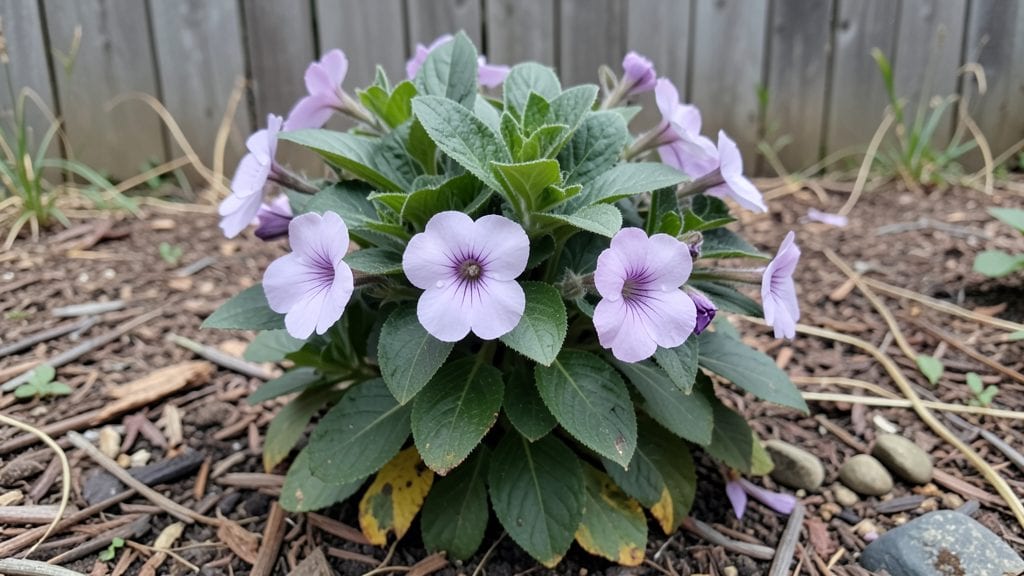
Growing American Seed Impatiens from seed means vibrant, nonstop blooms in just 60 days—and I’ve learned the exact tricks to skip the flopped seedlings everyone else struggles with. 🌱 The secret isn’t fancy equipment; it’s timing the indoor start perfectly so seedlings hit the garden ready to explode with color.
You’ll need 6-8 weeks of indoor warmth, a sunny windowsill or grow light, and a seed-starting mix that drains like a sponge. These impatiens thrive in partial shade, so they’re perfect for shady spots where other flowers fade.
The real magic? They keep blooming until frost, turning any corner into a burst of cheerful color.
Once outside, keep the soil evenly moist (they hate drying out) and space plants 10-12 inches apart for that lush, full look. Pinch back leggy seedlings early to encourage bushier growth—it’s the only way to avoid those sad, sparse plants.
Within weeks, you’ll have a cloud of blooms that hummingbirds can’t resist.
Fair warning: These babies do attract aphids, but a quick spray of soapy water keeps them in check. The payoff? A foolproof shade garden that blooms all season with almost no effort. Ready to grow yours?
📚 In This Guide
- What you need
- Instructions
- Tips and common mistakes
- Wrapping up and next steps
What you need
- ● American Seed Impatiens Seeds – 1 packet (contains ~25-50 seeds, depending on the brand). Look for New Guinea Impatiens or Busy Lizzie varieties for extra color!
- ● Seed Starting Mix – 1 quart (32 oz) of a sterile, well-draining mix (avoid garden soil—it’s too dense!). Pro tip: Mix in perlite or vermiculite (¼ cup) for extra aeration! 💡
- ○ Seed Trays or Small Pots – 6-12 2-3 inch biodegradable pots or a seed tray with cell inserts (one per seedling). Optional: Use recycled containers (yogurt cups, egg cartons) if sterilized!
- ● Grow Lights or Sunny Windowsill – A full-spectrum LED grow light (12-16 hours/day) or a south-facing window (6+ hours of sunlight). No grow light? A fluorescent bulb (cool white) works in a pinch!
- ● Spray Bottle – 8 oz with a fine mist nozzle for gentle watering.
- ● Plastic Wrap or Humidity Dome – To keep seeds cozy until germination (like a tiny greenhouse!).
- ○ Gloves – A pair to keep your hands clean (optional but handy for soil handling!).
- ● Small Hand Trowel – For planting and transplanting (3-4 inch blade works best).
- ● Fertilizer – Balanced liquid fertilizer (5-10-5 or 10-10-10 NPK ratio) for seedlings. Dilute to half-strength to avoid burning tender roots!
- ● Transplanting Supplies – If moving outdoors, grab gardening shears and mulch (straw or shredded leaves) to protect roots.
- ○ pH Test Kit – Optional but helpful! Impatiens thrive in 6.0-6.5 pH soil. Adjust with lime (to raise pH) or sulfur (to lower it).
- ● A warm, bright space (65-75°F / 18-24°C) for seeds to germinate.
- ● Patience! Germination takes 7-14 days—keep the soil moist but not soggy.
- ● Time commitment: ~10-15 minutes daily for watering, light checks, and monitoring.
Step-by-Step instructions for growing american seed impatiens
Here’s how to coax vibrant, nonstop blooms from your impatiens seeds—no fuss, just reliable results.
🌱 Step 1: Start Seeds Indoors Under Warmth
Fill a shallow seed tray with moistened seed-starting mix (not garden soil) and scatter American Seed Impatiens seeds on the surface—no need to bury them. These tiny seeds need light to germinate, so press them gently into the top layer. Cover the tray with clear plastic wrap to retain warmth and humidity, then place it in a warm spot (70-75°F).
Check daily for condensation on the plastic—mist lightly if the mix feels dry to the touch. Germination takes 10-14 days, but don’t disturb the seeds until you see tiny green sprouts breaking through. Real talk: If you’re impatient, a seedling heat mat (75-80°F) cuts germination time by half.
☀️ Step 2: Provide Bright, Indirect Light for Seedlings
Once sprouts emerge, remove the plastic wrap immediately to prevent damping-off (a fungal disease that collapses stems overnight). Move seedlings to a bright, indirect light source—a south-facing window or grow light positioned 4-6 inches above the tray. Impatiens seedlings stretch toward light like teenagers reaching for candy, so rotate the tray quarter-turn daily to keep them growing straight.
You’ll know light is sufficient when seedlings develop bold green leaves (not pale or yellowing) and short, sturdy stems. If they look leggy (thin, elongated), lower the grow light or move them closer to the window. Avoid direct midday sun—it scorches delicate seedlings.
🪴 Step 3: Transplant to Individual Pots
When seedlings have 2-3 sets of true leaves (about 4-6 weeks after sowing), gently transplant them into 4-inch pots filled with well-draining potting mix. Handle stems carefully—impatiens roots are fragile. Bury them just below the soil line where they grew in the tray to avoid stress.
Water thoroughly after transplanting, but avoid soggy soil. Impatiens hate wet feet—yellowing leaves signal overwatering. Place pots in a shaded spot for a week to recover, then gradually introduce morning sun to harden them off. This prevents shock when you move them outdoors.
⏰ Step 4: Acclimate and Plant Outdoors
Two weeks before your last frost date, take seedlings outside for 1-2 hours daily, sheltered from wind. Increase exposure by 1 hour each day until they’re spending full days outdoors. Watch for wilting or leaf drop—if it happens, they’re not ready yet. Impatiens thrive in partial shade (4-6 hours of morning sun), so choose a spot with dappled light or filtered afternoon shade.
Plant outdoors after all danger of frost has passed. Dig holes twice as wide as the root ball but no deeper—impatiens roots need room to spread but dislike being buried too deep. Space plants 10-12 inches apart for bushy growth. Water deeply at planting to settle the soil and encourage root establishment.
💧 Step 5: Maintain Consistent Moisture and Fertility
Keep soil evenly moist—impatiens wilt fast when dry. Water at the base (not overhead) to prevent fungal diseases like powdery mildew. Mulch with 1-2 inches of organic mulch (like shredded bark) to retain moisture and suppress weeds. Feed every 2-3 weeks with a balanced liquid fertilizer (10-10-10) diluted to half-strength to avoid burning tender roots.
Deadhead spent blooms regularly—this isn’t just for looks. Pinching off faded flowers redirects energy to new buds, ensuring nonstop blooms from early summer until frost. If leaves yellow between feedings, flush the soil with water to leach excess salts from fertilizer buildup.
Tips & tricks for growing american seed impatiens
Here's what I've learned from years of growing these vibrant bloomers—small details that make all the difference between patchy growth and a lush, colorful display.
Warmth is Non-Negotiable: In Step 1, maintaining that 70-75°F temperature range is crucial for germination. I've found that placing the seed tray on top of a refrigerator (not inside) creates a perfect warm spot without needing special equipment. If your home runs cooler, a seedling heat mat at 75-80°F can cut germination time from 10-14 days to just 5-7 days. The key is consistency—fluctuations can cause seeds to either rot or fail to sprout.
Light Strategy for Healthy Seedlings: When you reach Step 2, remember that impatiens seedlings are light-sensitive. I position my grow lights on a timer for 14 hours of light daily to mimic natural daylight. If using a south-facing window, rotate the tray quarter-turn daily to prevent leaning. Watch for leggy growth—this is your signal to either lower the light source or increase light intensity. The goal is bold green leaves and short, sturdy stems, not stretched-out shadows.
Transplanting with Care: In Step 3, when transplanting to 4-inch pots, I always use a toothpick to gently loosen the root ball before placing it in the new pot. This prevents transplant shock. After transplanting, I water thoroughly but avoid soggy soil—impatiens roots need oxygen, not waterlogged conditions. Place pots in a shaded spot for that initial week to help them recover from the stress of transplanting.
Acclimation Timeline: For Step 4, the two-week acclimation period is your safety net. Start with just 1-2 hours of outdoor exposure, then gradually increase by 1 hour each day. I've seen seedlings wilt dramatically when rushed—this is their way of saying "slow down!" Watch for wilting or leaf drop as your warning signs. The goal is to harden them off so they can handle their permanent partial shade spot (4-6 hours of morning sun) without shock.
Pro Tips for American Seed Impatiens
- Here's what I've learned from years of growing these vibrant bloomers—small details that make all the difference between patchy growth and a lush, colorful display.
- Warmth is Non-Negotiable: In Step 1, maintaining that 70-75°F temperature range is crucial for germination.
- Light Strategy for Healthy Seedlings: When you reach Step 2, remember that impatiens seedlings are light-sensitive.
Frequently asked questions
Got questions about growing American Seed Impatiens? You’re not alone! Here are some of the most common queries—plus quick answers to help you cultivate vibrant blooms with ease.
How long does it take for American Seed Impatiens to flower after planting?
With proper care, these impatiens typically burst into color in 6–8 weeks from seed. For faster results, opt for transplants (they’ll bloom in 4–6 weeks). Plant seeds indoors 10–12 weeks before your last frost to maximize blooming time. Patience pays off—just imagine those bold, long-lasting flowers brightening your garden!
Are American Seed Impatiens frost-tolerant?
Nope! These tender annuals cannot handle frost—even a light chill will damage or kill them. Wait until after the last frost date in your zone (usually late spring) to transplant seedlings outdoors. For extra protection, start seeds indoors or use row covers if nighttime temps dip below 50°F (10°C). Think of them as sun-loving divas who thrive in warmth!
What pests or diseases commonly affect American Seed Impatiens?
While generally low-maintenance, impatiens can fall prey to aphids, spider mites, or downy mildew in humid conditions. Prevent pests with neem oil or insecticidal soap, and improve airflow to deter mildew. If leaves yellow or wilt, check for overwatering—these plants prefer consistently moist (not soggy) soil. A quick fix? Prune affected leaves and adjust watering habits.
Can I grow American Seed Impatiens in containers?
These impatiens thrive in containers—just choose pots with drainage holes and use a lightweight potting mix. Opt for 6–12-inch pots (they’ll spill over beautifully!). Place containers in partial shade (especially in hot climates) and water daily to keep soil evenly moist. Pro tip: Add a slow-release fertilizer at planting for extra vigor.
What’s the best way to get consistent color from American Seed Impatiens?
For bold, uniform blooms, start with high-quality seeds (like American Seed’s varieties) and thin seedlings to 12–18 inches apart. Deadhead spent flowers regularly to encourage non-stop blooming. Bonus: Mix in slow-release fertilizer at planting, then top-dress with compost monthly. Sunlight is key—morning sun + afternoon shade keeps colors vibrant and plants healthy.
Still stumped? Drop your question in the comments—we’re happy to help you grow a show-stopping impatiens display!
Wrapping up and next steps
Growing American Seed Impatiens is a rewarding journey that brings vibrant color to your garden in just 60 days! With the right soil, sunlight, and care, these cheerful blooms will thrive and keep your space lively all season long.
Whether you're a beginner or a seasoned gardener, their easy-growing nature makes them a perfect addition to any lawn or container.
Ready to transform your outdoor space? Start planting your seeds today—your garden will thank you with a burst of beauty! 🌸 For extra tips, check out our FAQ section or explore other garden-friendly plants to expand your green haven.