
Lawn
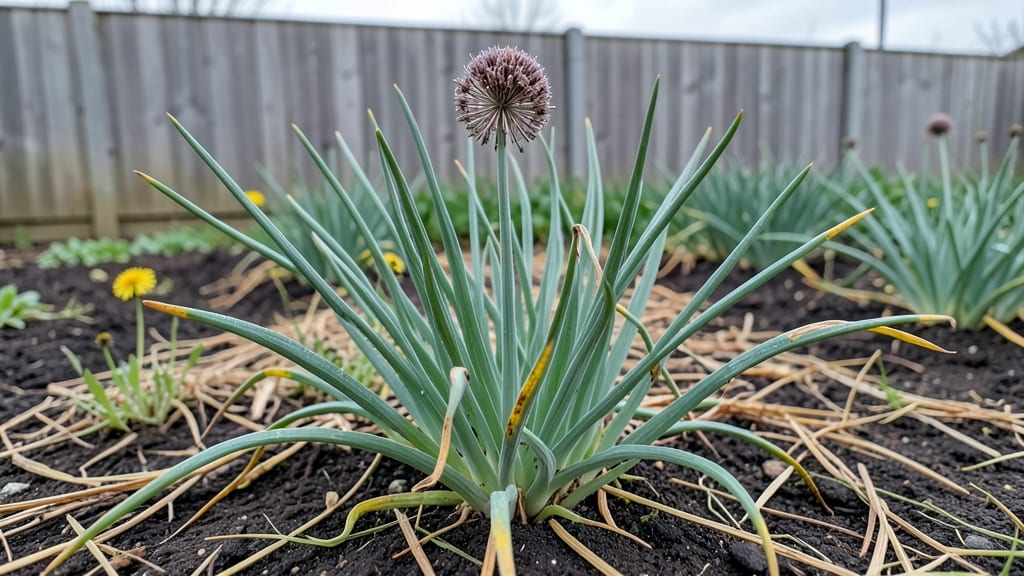
Transforming your garden into a year-round cut-flower harvest starts with those striking allium seed heads. 🌿 I used to toss them after blooms faded, but now they’re the star of my winter arrangements and dried crafts—adding bold structure and texture when little else is blooming.
The best part? You don’t need fancy pruning skills—just snip stems when they turn brown and papery, leaving a few inches of stem. These dried heads last for months, and their unique shapes bring drama to bouquets, wreaths, or even table centerpieces.
I’ve turned them into everything from rustic garlands to elegant dried arrangements that outlast fresh flowers.
Once harvested, you can air-dry them in bundles or hang them upside down for a few weeks. The result? Long-lasting, architectural accents that add height and interest to any space. Whether you’re a beginner or a seasoned gardener, these seed heads are your secret weapon for low-maintenance beauty.
Perfect for adding structure to winter gardens, filling gaps in bouquets, or creating unique dried crafts. Let’s turn those post-bloom stems into your garden’s new focal point—without extra effort.
📚 In This Guide
- What you need
- Instructions
- Tips and common mistakes
- Wrapping up and next steps
What you need
- ● Allium plants (Ornamental Onion): Choose varieties like Allium ‘Purple Sensation,’ ‘Globemaster,’ or ‘Haarlem’ for bold, spherical blooms. Aim for 3–5 mature plants (or more for larger arrangements).
- ● Pruning shears or sharp scissors: A bypass pruner (for clean cuts) or clean scissors (for smaller stems). Avoid dull tools—they crush stems!
- ● Vase or container: A clear glass vase (for visibility) or a ceramic/terracotta container (for rustic charm). Size depends on your harvest: 1–2 stems per 1 cup of water.
- ○ Fresh-cut flower food (optional but recommended): A packet like Floralife or homemade mix (1 tsp sugar + 1 tsp bleach per quart of water). Extends vase life by 3–5 days!
- ● Watering can or spray bottle: Keep soil moist but not soggy while harvesting.
- ● Newspaper or bucket: Collect fallen petals or seed pods for composting or crafts.
- ● Twine or floral tape: Bundle stems for transport if harvesting from a distance.
- ○ Glove (optional): Protects hands from allium sap (can irritate sensitive skin).
- ● Timing: Harvest seed heads when 50–70% of blooms have dried (typically 6–8 weeks after flowering).
- ● Weather: Choose a dry, overcast day to avoid crushing delicate seed pods.
- ● Space: Ensure stems have 4–6 inches of dried stem for stability in arrangements.
How to maintain allium seed heads for long-lasting cut flowers
Alliums are the unsung heroes of the cut-flower world—here’s how to keep their dramatic seed heads stunning all season with almost no work.
🌱 Step 1: Choose Healthy Mature Alliums for Harvest
Pick alliums that have fully bloomed and are starting to dry naturally—look for papery, brown seed heads that haven’t yet split open. Harvest when the stems are still firm but the blooms have faded to a soft tan. Cut stems at a 45-degree angle, about 2 inches below the seed head, to maximize water uptake and vase life.
I like to harvest in the morning when stems are hydrated and sturdy. Avoid cutting when the seed heads are wet or heavy with rain—this shortens their vase life. A sharp pair of pruners ensures clean cuts that heal quickly, preventing bacterial entry.
☀️ Step 2: Dry and Preserve Seed Heads Properly
Bundle freshly cut alliums in small groups and hang them upside down in a dry, well-ventilated space with indirect sunlight for 2-3 weeks. A garage, shed, or even a porch works—just avoid direct sun, which can bleach the seed heads prematurely. You’ll know they’re fully dried when the seed pods rattle when shaken.
Don’t rush drying by using heat or fans—this can make the seed heads brittle and prone to cracking. If humidity is high, add a small fan on low to improve airflow. Once dry, store seed heads in paper bags to prevent moisture buildup.
✂️ Step 3: Revive Dried Seed Heads for Arrangements
Before arranging, trim stems to 6-8 inches and remove any remaining leaves or spent blooms. Place stems in a bucket of warm water for 1-2 hours to rehydrate—this restores their structure and makes them last longer in arrangements. Add a flower preservative (like a pinch of bleach or a commercial mix) to the water to prevent bacterial growth.
For extra drama, gently separate the seed pods with your fingers to reveal their intricate layers. This step is optional but makes alliums look even more striking in bouquets. Handle them carefully—they’re dry and fragile now, but they’ll hold their shape beautifully in arrangements.
🪴 Step 4: Arrange and Maintain for Long-Lasting Beauty
Use dried allium seed heads as focal points in arrangements—they add texture and height effortlessly. Pair them with delicate fillers like eucalyptus or baby’s breath for contrast. Change the water every 2-3 days and trim stems by ½ inch to keep them fresh. With proper care, dried alliums can last 4-6 weeks in arrangements.
If you notice mold or slimy water, discard the stems immediately and refresh the water. Alliums are low-maintenance but do best when kept clean. Store extra dried seed heads in airtight containers in a cool, dark place to preserve their beauty for next year’s arrangements.
Tips & tricks for perfect allium seed head preservation
Here's what I've learned after preserving hundreds of allium seed heads—these small details make all the difference between beautiful arrangements that last and sad, wilted stems.
Timing Tip for Step 1: Harvesting at the right moment is everything. Look for that perfect balance in Step 1—seed heads should be papery brown but not yet splitting open. I've ruined batches by harvesting too early (still green) or too late (seed pods exploding). The morning after a dry night is ideal because stems are hydrated but not heavy with dew.
Drying Secret for Step 2: That 2-3 week drying time in Step 2 is non-negotiable. I tried rushing it with heat once and ended up with brittle, cracked seed heads that crumbled in my hands. If your space is humid, place a small fan on low near the bundles—just enough to move air without creating drafts that could damage them. The "rattle test" is your best friend: when pods shake like maracas, they're ready.
Rehydration Hack for Step 3: Don't skip the warm water soak in Step 3—it's the secret to plump, dramatic seed heads. I use a bucket of water heated to about 100°F (just warm to the touch) for the full 1-2 hours. Adding a flower preservative (even a pinch of bleach) prevents bacterial growth that can shorten vase life. For extra drama, I separate the seed pods gently with my fingers right after soaking while they're still pliable.
Storage Wisdom: Once you've arranged your alliums, store extras in airtight containers with a silica gel packet to absorb any moisture. I keep mine in a cool closet away from direct light—this preserves their color and structure for up to a year. When you're ready to use them again, just give them that same warm water treatment from Step 3, and they'll look fresh as the day you dried them.
Pro Tips for Allium Seed Heads
- Here's what I've learned after preserving hundreds of allium seed heads—these small details make all the difference between beautiful arrangements that last and sad, wilted stems.
- Timing Tip for Step 1: Harvesting at the right moment is everything.
- Drying Secret for Step 2: That 2-3 week drying time in Step 2 is non-negotiable.
Frequently asked questions
Got questions about growing and harvesting allium seed heads?
You’re not alone! Here are some of the most common queries—and their answers—to help you maximize your year-round cut-flower bounty with ease.
When is the best time to harvest allium seed heads?
Harvest seed heads when they’ve fully matured but before they split open or turn brown. This usually happens 6–8 weeks after flowering, when the papery layers dry out but remain intact. Cut them in the morning for the freshest stems—just leave the lower foliage to nourish next year’s blooms!
How do I know if my allium seed heads are ready for cutting?
Look for dry, papery layers that crinkle slightly when touched. The seed pods inside should feel firm (like tiny marbles) but not hard. If you see green inside when you peek, wait a few more days—overripe heads lose their structure and flop in arrangements.
Can I cut allium seed heads back to the ground after harvest?
No! Trimming back to the ground can weaken the bulb for next season. Instead, snip just the seed head (leaving 2–3 inches of stem) and let the foliage yellow naturally. This ensures the bulb stores energy for future blooms. Mulch lightly in fall to protect overwintering plants.
What if my alliums don’t produce seed heads?
Missing seed heads often mean poor pollination or weak bulbs. Try these fixes:
- Plant multiple varieties nearby to attract pollinators.
- Hand-pollinate by gently shaking stems on a sunny day.
- Fertilize lightly in early spring with balanced 10-10-10 to boost bulb strength.
Are there alternatives to alliums for long-lasting cut flowers?
For similar drama and longevity, try:
- Dahlias (bold blooms, 10+ days in a vase)
- Echinacea (disease-resistant, cone-shaped heads)
- Celosia (velvety textures, great for dried arrangements)
Wrapping up and next steps
Allium seed heads bring easy beauty and year-round charm to your garden with minimal effort—proof that stunning cut flowers don’t require constant pruning! Whether you’re a seasoned gardener or just starting, these hardy plants reward you with bold, architectural blooms that last from early spring to late summer.
Now that you’re equipped with the right tools and tips, why not expand your floral displays?
🌱 Next step: Snip a few stems for your favorite vase or share the love by gifting a bouquet—your garden (and your home) will thank you! 💐