
Lawn
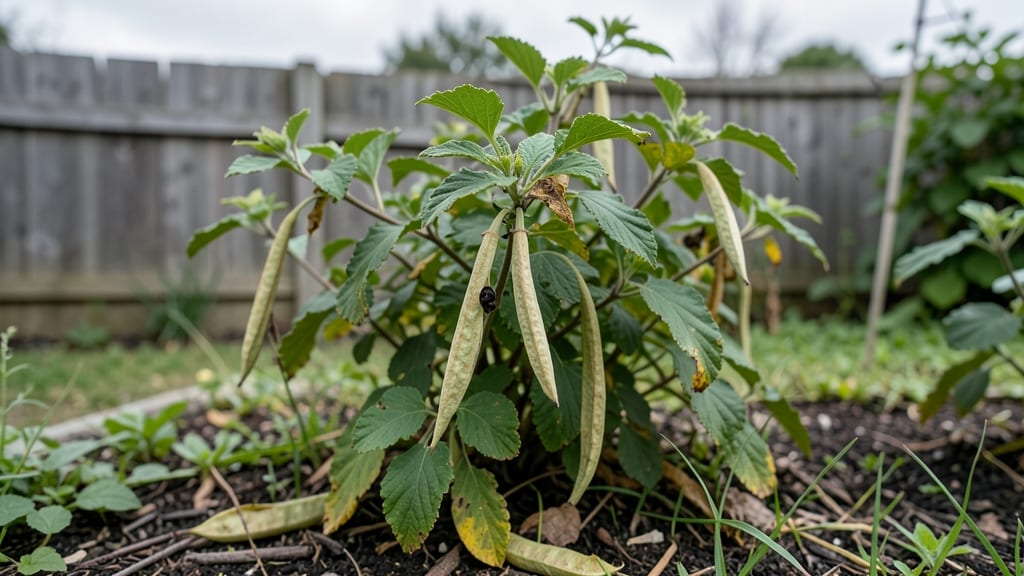
Harvesting fuchsia seed pods at their peak—when they turn brown and papery—ensures the best germination rates. Typically ready 3–4 weeks after flowering, these pods should be gently removed, opened to release seeds, and dried in a cool, dark place before storage.
Timing matters most with fuchsia seed pods—waiting too long risks the pods splitting open naturally, scattering seeds prematurely. 🌱 The ideal moment is when the pods feel dry to the touch but haven't cracked yet.
I've found that harvesting in the morning (when humidity is lowest) gives me cleaner pods with fewer broken seeds. Once opened, spread the seeds on a paper towel in a shaded spot for 1-2 weeks—this slow drying preserves their viability better than rushing them in direct sunlight.
After drying, store the seeds in paper envelopes (not plastic) to prevent moisture buildup, which can trigger mold. Label each envelope with the harvest date—seeds remain viable for 1-2 years under these conditions.
For best results, I pre-chill the seeds in the fridge for 2 weeks before planting to mimic winter dormancy and boost germination rates.
💡 In This Article
- Optimal Conditions for Fuchsia Seed Pod Ripening
- Step-by-Step Fuchsia Seed Pod Harvesting Guide
Optimal conditions for fuchsia seed pod ripening
Fuchsia seed pods mature through a biological process triggered by ethylene gas, which plants release as flowers age. This hormone signals the pods to transition from green and firm to brown and papery—a transformation that typically takes 3-4 weeks after flowering.
The pods' color change isn't just cosmetic; it indicates the seeds inside have completed their development and are ready for dispersal. Temperature plays a crucial role here: ideal ripening occurs between 65-75°F, while extremes below 50°F or above 85°F can slow or halt maturation entirely. 🌡️
The pods' texture is your best indicator of readiness—they should feel dry and brittle when gently squeezed, similar to how a crisp autumn leaf feels.
Humidity levels matter too: excessive moisture (above 60%) can cause the pods to rot before ripening, while dry conditions (40-50% humidity) create perfect ripening conditions. I've noticed that morning harvests yield better results because dew reduces humidity, making the pods easier to handle without breaking.
Direct sunlight during ripening can actually accelerate drying but may also cause the pods to split prematurely, so partial shade is ideal.
Overripe pods become a problem when they split open naturally, releasing seeds before you're ready. This happens when the pod walls dry out completely and lose structural integrity.
The seeds inside may still be viable, but their germination rates drop significantly—sometimes by 30-40%—because the outer seed coat becomes too tough. To prevent this, harvest pods the moment they turn uniformly brown, even if they haven't fully dried out.
The key is balance: pods need enough time to mature but shouldn't be left on the plant past their prime. 🌱
Environmental factors create subtle variations in ripening time. Fuchsias grown in containers often ripen 5-7 days faster than those in garden beds because container soil dries out more quickly, triggering the plant's stress response and accelerating ethylene production.
Conversely, fuchsias in shaded areas may take 10-14 days longer to mature their pods because reduced light slows photosynthesis—the energy source that fuels seed development. These variations explain why your neighbor's fuchsias might ripen earlier or later than yours, even under similar care conditions.
Seed viability drops dramatically if pods aren't handled properly after ripening. The seeds contain a natural dormancy mechanism that requires specific conditions to break. When pods are exposed to consistent temperatures above 80°F during drying, the seeds may lose up to 25% of their germination potential.
This is why cool, dark storage is critical—it mimics the natural conditions fuchsia seeds would encounter in their native tropical habitats during the dry season. The combination of low humidity (30-40%) and stable temperatures (60-68°F) preserves seed quality for up to 2 years.
Here's what most gardeners overlook: the pods' position on the plant affects ripening consistency. Lower pods often mature first because they receive less direct sunlight and cool more quickly at night. This creates a 2-3 day window where upper pods may still be green while lower ones are ready.
To maximize your harvest, check pods from the bottom up every 2-3 days during the ripening period. This staggered approach ensures you capture seeds at their peak viability rather than missing the window entirely. 💫