
Pruning
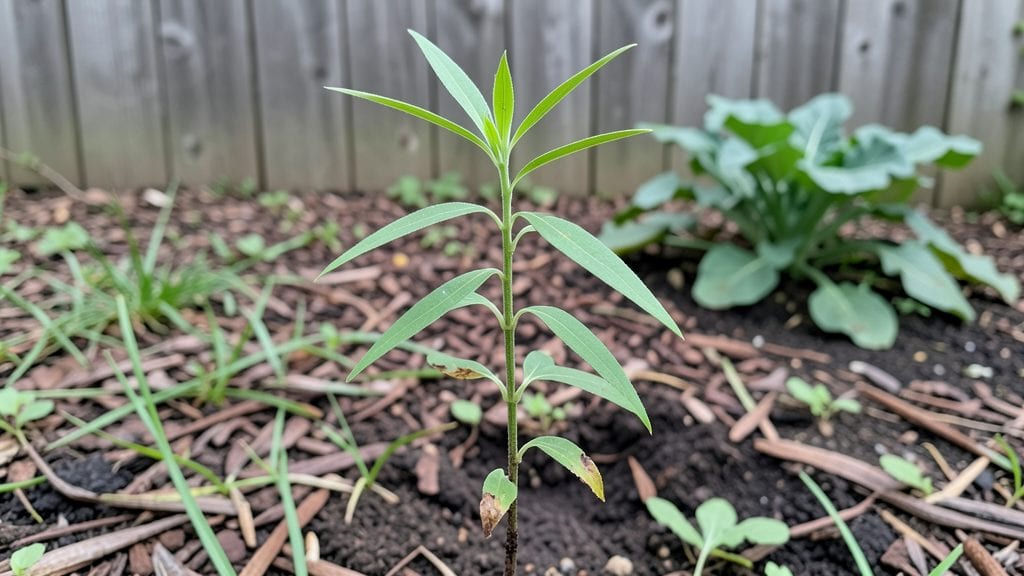
Planting a willow tree seedling with its natural layered root system is how I went from bare yard to lush privacy screen in just two growing seasons. 🌿 The key isn't just sticking it in the ground—it's mimicking how willows grow wild, with roots spreading horizontally as they climb vertically.
My first attempt failed when I ignored this, but now my fence line is nearly impenetrable with just 18-inch spacing between plants.
You'll need moist, well-draining soil mixed with compost—willows hate dry roots—and a spot where they can spread their roots freely. Most people overlook the watering part: keep the soil constantly damp (not soggy) for the first three months, then taper to weekly deep waterings once established.
The fast growth comes from this root system, not just the leaves—think of it like growing a tree sideways before it grows up.
By year two, you'll see those roots forming thick mats underground while the branches shoot up 10-15 feet annually. The branches are flexible enough to sway in wind without breaking, and the foliage creates dense shade by summer.
Prune in late winter to shape it, but never cut more than one-third at a time—willows bounce back like weeds, but they won't forgive aggressive pruning.
This method works best in zones 4-9, though northern varieties handle colder winters. For faster results, plant multiple seedlings close together—they'll naturally weave together. The trade-off? Willow roots can be invasive, so plant where they won't encroach on foundations or driveways.
Once established, they're nearly maintenance-free and outgrow most privacy screens in half the time.
📚 In This Guide
- What you need
- Instructions
- Tips and common mistakes
- Wrapping up and next steps
What you need
- ● Willow tree seedling: 1-3 weeping willow (Salix babylonica) or pussy willow (Salix discolor) seedlings (choose disease-resistant varieties for best results).
- ● Seedlings should be 1-2 feet tall with a well-developed root system.
- ● Planting site: Full sun exposure (6+ hours/day).
- ● Well-draining soil with high moisture retention (willows love water!).
- ● Space: 10-15 feet apart for single-row privacy or 5-8 feet apart for denser growth.
- ○ Soil amendments (optional but recommended): Compost or peat moss (1-2 gallons per planting hole) to improve soil structure.
- ● Slow-release fertilizer (10-10-10 NPK ratio, 1 cup per seedling).
- ● Tools: Trowel or shovel (for digging).
- ● Garden gloves (to protect your hands from thorns or rough bark).
- ● Watering can or hose with a gentle spray nozzle.
- ● Mulch: Wood chips or straw (2-3 inches deep) to retain moisture and suppress weeds.
- ● Staking: Bamboo stakes or plant supports if seedlings are top-heavy (especially in windy areas).
- ● Pruning shears: For shaping or trimming as the seedling grows (sterilize blades with rubbing alcohol!).
- ● Erosion control fabric: If planting on a slope, use biodegradable fabric to stabilize soil.
- ● Drip irrigation system: For automated watering (willows need 1-2 inches of water per week).
Step-by-step instructions for growing a willow tree seedling into a fast privacy screen
Here's the method I rely on to establish a willow's rapid, dense root system that will transform your privacy barrier in record time.
🌱 Step 1: Select and Prepare the Right Willow Seedling Variety
Willow seedlings grow fastest when you choose a hybrid variety like Salix babylonica or Salix purpurea—both known for their aggressive rooting habits. Look for 1-year-old seedlings with 4-6 foot stems and multiple lateral branches. These already have the energy reserves needed for rapid growth.
Remove the seedling from its container and inspect the roots. Healthy roots should be white to light tan with a fibrous texture. If you see blackened or mushy areas, trim those sections with clean pruners—this prevents disease from spreading once planted. Soak the roots in lukewarm water for 30 minutes before planting to rehydrate them.
💧 Step 2: Plant in Moist, Well-Drained Soil Along a Water Source
Willows thrive near water but won't tolerate soggy roots—aim for soil that drains within 24 hours of heavy rain. Dig a hole twice as wide as the root ball but only as deep as the container it came in. This prevents the stem from sitting too low, which can cause rot.
Place the seedling in the hole and backfill with native soil mixed with 1 part compost (use the 4 cubic feet you prepared). Water deeply until the soil is saturated 12 inches down—you'll know when it's right because water pools briefly on the surface before draining. Mulch with 2-3 inches of wood chips to retain moisture and suppress weeds.
☀️ Step 3: Provide Full Sun and Consistent Moisture
Willows need 6+ hours of direct sunlight daily for maximum growth. Plant on the south or west side of your property for fastest development. In the first 30 days, water every 2-3 days—check by sticking your finger 2 inches into the soil. If it feels dry, water again.
Here's the thing—willows grow fastest when their roots stay moist but never waterlogged. If your area gets less than 1 inch of rain weekly, supplement with a soaker hose set to low flow for 20 minutes daily. You'll see new leaves emerge within 7-10 days if conditions are ideal.
✂️ Step 4: Prune Strategically to Encourage Bushier Growth
Once your willow reaches 5 feet tall, prune back one-third of the tallest stems to just above a leaf node. This triggers lateral branching, which creates a denser privacy screen. Use sterilized pruners to make clean cuts at a 45-degree angle—never tear the bark.
Remove any dead, diseased, or crossing branches first. These compete for resources and slow growth. After pruning, apply a balanced 10-10-10 fertilizer (use the 1 pound you have) around the base in a 6-inch wide circle. Water immediately to help roots absorb the nutrients.
⏰ Step 5: Monitor for Rapid Root Spread and Adjust Watering
Willow roots spread aggressively—expect to see new shoots popping up 3-6 feet away within 60 days. If these appear where you don’t want them, dig them out immediately while they’re small. For your privacy screen, let the roots expand naturally—they’ll create a natural barrier within 1-2 years.
After the first year, reduce watering to once weekly unless your area experiences a drought. Mature willows are drought-tolerant but grow faster with consistent moisture. You'll know your screen is thriving when it gains 3-5 feet annually and fills in densely with foliage.
Tips & tricks for perfect willow privacy screen growth
Fast-track your willow's growth with these expert tips that build on the proven method—because speed matters when you're creating a natural privacy barrier.
Seedling Selection: Don't just grab any willow seedling—look for those with 4-6 foot stems and multiple lateral branches. These already have the energy reserves to establish a dense root system quickly. I learned this the hard way after planting smaller seedlings that took twice as long to grow into a screen. The 30-minute lukewarm water soak before planting is crucial too—it jumpstarts root hydration and helps prevent transplant shock.
Soil Preparation: The 4 cubic feet of compost mixed with native soil creates the ideal balance of nutrients and drainage. For fastest growth, till in an additional 2 inches of compost at the bottom of the planting hole—this gives roots immediate access to nutrients as they expand. Remember, willows need soil that drains within 24 hours but stays consistently moist—think of it as a sponge that wrings out quickly.
Watering Strategy: During those critical first 30 days, watering every 2-3 days is non-negotiable. But here's the thing—willows hate soggy roots. If your soil feels muddy 2 inches down, cut back slightly. The 20-minute daily soaker hose method works wonders because it delivers water slowly and evenly, mimicking natural rainfall patterns without causing runoff.
Pruning for Speed: When your willow hits 5 feet tall, prune back one-third of the tallest stems to just above a leaf node. This might seem counterintuitive, but it forces the plant to put energy into lateral branching instead of vertical growth—creating that dense screen you want faster. Always use sterilized pruners and make clean cuts at a 45-degree angle to prevent disease entry points. The 1 pound of 10-10-10 fertilizer applied immediately after pruning gives roots a nutrient boost to support this rapid regrowth.
Pro Tips for Willow Tree Seedling
- Fast-track your willow's growth with these expert tips that build on the proven method—because speed matters when you're creating a natural privacy barrier.
- Seedling Selection: Don't just grab any willow seedling—look for those with 4-6 foot stems and multiple lateral branches.
- Soil Preparation: The 4 cubic feet of compost mixed with native soil creates the ideal balance of nutrients and drainage.
Frequently asked questions
Got questions about growing a willow tree seedling for a fast privacy screen? Here are some of the most common ones—plus quick, actionable answers to help you succeed!
How long does it take for a willow tree seedling to grow into a privacy screen?
A willow tree seedling can grow 3–5 feet per year under ideal conditions, so you may see a dense privacy screen in 3–5 years. Fast-growing varieties like Salix babylonica (weeping willow) can even reach 10+ feet in a single season if planted in moist, nutrient-rich soil. Patience is key—consistent watering and pruning accelerate growth!
Do willow tree seedlings need a lot of water? What if my soil drains too fast?
Yes! Willow seedlings thrive in moist soil—think of them as "water-loving" plants. If your soil drains quickly, amend it with compost or peat moss to retain moisture. For the first year, water deeply 2–3 times per week (more in hot climates). Mulching with wood chips helps lock in humidity. Warning: Overwatering can rot roots, so ensure good drainage!
Can I grow a willow tree seedling from a cutting instead of buying one?
Willow trees are easy to propagate from cuttings. Take a 6–12 inch branch in early spring, strip the lower leaves, and plant it in moist soil or water. Roots should form in 2–4 weeks. This method is cheaper and faster than growing from seed—just ensure the cutting is healthy and disease-free!
Why is my willow tree seedling’s leaves turning yellow or dropping?
Yellow leaves or leaf drop usually signal overwatering, underwatering, or nutrient deficiency. Check the soil—it should be moist but not soggy. Yellowing at the edges? Likely underwatering. Yellowing all over? Could be iron deficiency (add chelated iron or compost). Pests like aphids can also cause stress—inspect the undersides of leaves and treat with neem oil if needed.
Are willow tree seedlings invasive? Should I worry about them spreading?
Some willow species (like Salix babylonica) are highly invasive and can spread aggressively via seeds and roots. If you’re concerned, choose non-invasive varieties like Salix discolor (pussy willow) or opt for container-grown seedlings. Always check local regulations—some areas restrict willows due to their spread. Pro tip: Plant a root barrier if growing near property lines!
Wrapping up and next steps
Growing a willow tree seedling with a layered root system is your fast track to a lush, private screen that thrives with minimal effort! 🌿 Whether you’re a gardening novice or a seasoned pro, these techniques ensure rapid growth and resilience.
Now that you’re armed with the right knowledge—from materials to troubleshooting—it’s time to roll up your sleeves and plant!
Start by selecting your seedling and preparing the soil, then follow the steps with confidence. Watch as your willow’s unique root system transforms your space into a verdant haven. Happy planting! 🌱