
Lawn
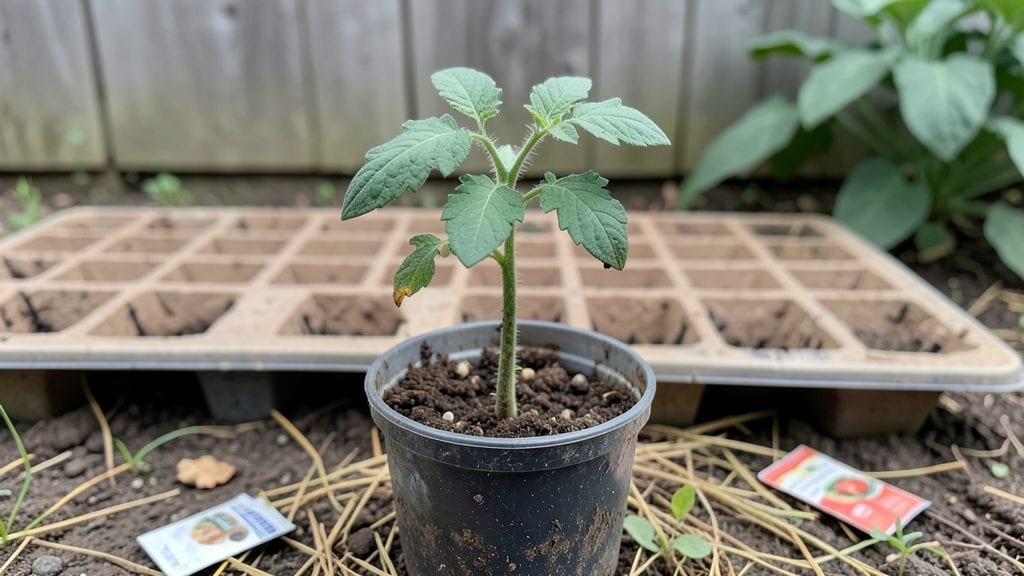
Planting seeds at the right time isn't just about checking a calendar—it's about understanding your local climate's quirks. 🌱 For example, high-altitude areas might have cooler soil even if the air feels warm, while coastal regions often experience milder winters.
I’ve found that using a soil thermometer (around $15) saves guesswork—just stick it in the ground at 2-inch depth to confirm warmth before sowing warm-season crops. Even a 5°F difference can mean the difference between strong germination and a failed batch.
Another pro tip: pay attention to nature's cues. When forsythia bushes bloom, it’s a sure sign that Zone 6 is ready for cool-season planting, while hummingbirds returning signals it’s time for warm-season prep.
Row covers can extend your growing window by 2-4 weeks in cooler zones, and seedling heat mats work wonders for jump-starting slow starters like tomatoes in chilly springs.
💡 In This Article
- How Climate Zones Affect Seed Planting Timing
- Signs Your Soil and Weather Are Ready for Planting
How climate zones affect seed planting timing
The USDA's 13 climate zones (ranging from Zone 1 to Zone 13) determine when to plant seeds by mapping average annual minimum temperatures.
For instance, Zone 5 (typical of Minnesota or upstate New York) has average winter lows of -20°F to -10°F, while Zone 10 (Florida or Southern California) rarely drops below 30°F.
These zones directly influence frost-free dates—Zone 5 might see its last frost in mid-May, while Zone 10 could plant warm-season crops like okra year-round. The key difference?
Cool-season crops (e.g., broccoli, kale) can handle Zone 5's early spring, but warm-season plants (e.g., beans, peppers) need Zone 10's longer growing window.
Microclimates add another layer of complexity. A south-facing slope in Zone 6 might warm up 2-3 weeks earlier than a north-facing valley, allowing you to plant tomatoes 10-14 days sooner.
Coastal areas also benefit from milder winters—San Francisco (Zone 9) can grow citrus outdoors year-round, while inland Sacramento (also Zone 9) faces colder nighttime temps that require frost protection.
High-altitude gardens (e.g., Denver at 5,280 ft) often mimic Zone 4 conditions even if they're geographically in Zone 5, thanks to cooler air and shorter growing seasons.
Adjusting planting schedules for these variations means checking local frost dates (not just zone averages) and using tools like the National Oceanic and Atmospheric Administration (NOAA) frost maps.
For example, a gardener in Zone 7 Atlanta might plant sweet potatoes in mid-April, but one in Zone 7 Denver should wait until mid-May due to late spring frosts.
Warm-season crops like squash also need consistent soil temps above 60°F for 2 weeks—a delay of 10-14 days in cooler zones can mean the difference between a bountiful harvest and stunted growth.
Here’s how to account for these differences practically:
- High-altitude areas: Start seeds indoors 4-6 weeks earlier to compensate for shorter seasons
- Coastal regions: Extend fall planting by 2-3 weeks due to slower cooling
- Urban heat islands: Plant heat-sensitive crops (e.g., lettuce) in shaded areas to delay bolting
What most gardeners overlook is how rainfall patterns interact with zones. Zone 10’s consistent warmth might seem ideal, but drought conditions (common in Southern California) require drip irrigation for seedling success. Meanwhile, Zone 5’s abundant spring rains can lead to waterlogged soil, delaying planting until the ground drains.
Always pair zone knowledge with 7-day weather forecasts—a late frost in Zone 6 can wipe out tender seedlings overnight.
For example, in Zone 8 Houston, gardeners plant warm-season crops like eggplants in early March, but a 2017 freeze (unusual for the zone) killed many plants. By contrast, Zone 8 Phoenix can plant the same crops in January without risk.
The lesson? Use zones as a starting point, not a rulebook—local conditions dictate the final schedule.
Pro tip: Bookmark your local Cooperative Extension Service website—they provide hyper-local planting guides that account for microclimates. For instance, University of California’s Master Gardeners adjust Zone 9 recommendations for coastal vs. inland areas, saving gardeners from costly mistakes. 🌿