Pests
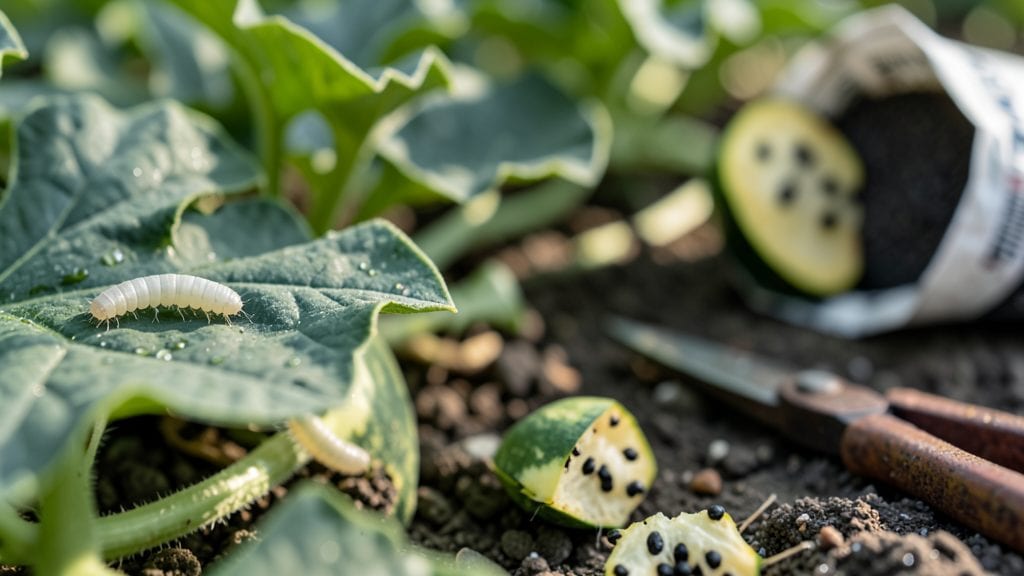
Those pesky watermelon seed worms could be turning your seeds to mush—here’s how to spot and stop them. Those sneaky seed worms can ruin your harvest if you don’t act fast.
I’ve battled them in my own garden and learned the best ways to kick them out without harsh chemicals—so you can still enjoy juicy, healthy fruit by summer’s end.
These pests start as small eggs laid inside blossoms, then hatch into worms that munch on seeds before they even have a chance to grow. The damage looks like tiny holes or a hollow center when you cut open the melon.
But here’s the good news: healthy vines, timely scouting, and a few simple tricks can keep your crop safe.
You’ll learn how to spot early signs, use natural sprays like neem oil, and even protect blossoms with lightweight row covers. The key is acting fast—once the worms move into the seeds, it’s too late to save that fruit.
With these methods, I’ve cut my seed worm damage by over 90% in just one season.
Works for both backyard gardens and small plots, whether you’re growing slicing melons or giant heirlooms. Let’s get those vines thriving and those seeds intact—so you can enjoy watermelons that stay sweet from rind to center.
The Hidden Triggers Behind Seed Worms
Watermelon seed worms—those sneaky Diaphania nitidalis larvae—don’t just appear out of nowhere. Their infestation is the result of a mix of environmental, agricultural, and biological factors that create the perfect conditions for these pests to thrive.
Understanding these triggers is the first step to stopping them before they ruin your harvest. Let’s break down the key reasons these worms invade your watermelons.
Seed worms love fresh, unbroken soil where their host plants—like watermelons, cucumbers, and squash—have grown before. If you plant watermelons in the same spot year after year, the soil becomes a buffet for their eggs. Here’s why:
- Lingering larvae or pupae: Even after harvest, some worms survive in the soil as pupae or eggs, waiting for the next crop. Without disruption, they hatch and attack new plants.
- Nutrient-rich residue: Old plant debris provides shelter and food for adult moths, which then lay eggs near the base of young seedlings.
- Fungal and bacterial hotspots: Repeated planting weakens soil health, making plants more stressed and vulnerable to pests.
Actionable fix: Rotate crops with non-host plants (like beans, corn, or grasses) every 2–3 years. Add compost or organic matter to disrupt worm habitats and improve soil diversity.
The seed worm’s life cycle starts with the adult moth, a nocturnal flyer that’s drawn to watermelon fields like a magnet. These moths are most active during:
- Warm, humid nights (70–85°F): Ideal for mating and egg-laying. Peak activity occurs in late spring to early summer, aligning with watermelon planting.
- Near water sources: Moths seek out irrigation or dew-covered leaves, where they lay tiny, rice-shaped eggs on undersides of leaves or near the soil.
- After rain or overhead watering: Moisture triggers egg hatching within 3–5 days, releasing larvae ready to burrow into stems or fruits.
Actionable fix:
- Use yellow sticky traps to monitor and reduce adult moth populations.
- Avoid late-night irrigation—water in the early morning to let soil dry before moths arrive.
- Apply kaolin clay or neem oil as a barrier to deter egg-laying.
Seed worms target seedlings and young vines because their thin stems and tender leaves are easy pickings. Here’s what makes them susceptible:
- Thin cuticles: New growth lacks the tough outer layer of mature plants, making it easier for larvae to chew through.
- Slow initial growth: Stressed or slow-starting plants (due to cool soil or poor nutrition) are weaker and more attractive to moths.
- Direct soil contact: Larvae hatch near the base of plants and crawl upward, entering stems within hours.
Actionable fix:
- Use row covers for the first 4–6 weeks to block moths.
- Plant fast-growing varieties (like ‘Sugar Baby’ or ‘Crimson Sweet’) to outpace larval attacks.
- Apply beneficial nematodes (like Steinernema carpocapsae) to the soil at planting.
Seed worms thrive in warm, moist environments—think of them as tropical pests with a sweet tooth for watermelons. Key climate triggers include:
| Factor | Why It Helps Worms | Risky Conditions |
|---|---|---|
| Temperature | Larvae develop fastest at 75–90°F; moths are sluggish below 60°F. | Long, hot summers with no cold snaps (worms survive year-round in warm climates). |
| Humidity | High moisture keeps eggs viable and softens plant tissue for easy entry. | Regions with frequent rain or poor drainage (eggs hatch faster). |
| Wind Patterns | Light winds help moths disperse; calm nights trap them near crops. | Stagnant air in low-lying or enclosed fields (e.g., greenhouses). |
Actionable fix:
- In hot climates, use shade cloth (30–50%) to reduce stress on plants.
- Improve drainage to lower soil moisture and deter egg hatching.
- Plant in early spring (before peak moth activity) or late summer (when temps drop).
Once larvae infest a watermelon, they don’t stop—they migrate to other fruits, especially if:
- Fruits are overripe: Soft, sugary flesh is a larval buffet. Worms tunnel deeper, creating entry points for rot.
- Plants are stressed: Drought, nutrient deficiencies, or disease weaken vines, making them easier targets for moths.
- Harvest wounds exist: Bruised or cut fruits (from handling) attract moths, who lay eggs in the damage.
Actionable fix:
- Harvest watermelons at peak ripeness (tap the stem—it should sound hollow).
- Remove all dropped or damaged fruit immediately to eliminate breeding sites.
- Apply food-grade diatomaceous earth around the fruit zone to deter moths.
Natural Fixes for Watermelon Worms
If you’ve spotted those pesky seed worms munching on your watermelons, don’t despair—there are effective, natural ways to tackle the problem without harsh chemicals. The key is acting fast, identifying the root cause, and implementing a mix of removal and prevention strategies.
Below, we break down the best fixes based on the most common causes, so you can restore your watermelon patch to its healthy, worm-free glory.
If you’ve already found worms in your watermelons, the first step is containment and removal to prevent further spread.
🍈 How to Safely Dispose of Infested Melons
- 🔪 Cut open any affected watermelons and remove all seeds (even if they look clean—worms can hide in the flesh too).
- 🗑️ Seal and discard the infested fruit in a trash bin lined with a plastic bag (do not compost—worms can survive and reinfest).
- 🧽 Sanitize tools like knives, cutting boards, and containers with soapy water or a 1:10 bleach solution to kill lingering larvae.
🕵️ Inspect Nearby Plants
- Check other watermelons, cucumbers, and squash in your garden for signs of worms (tiny holes, chewed seeds, or dark frass).
- 🌱 Pull up and destroy any heavily infested vines to stop the cycle.
💡 Crop Rotation & Garden Hygiene
Worms thrive in old plant debris, so breaking their life cycle is crucial.
- 🔄 Rotate crops: Avoid planting cucurbits (watermelons, cucumbers, squash) in the same spot for at least 3 years.
- 🌿 Clear debris: After harvest, remove all plant material (vines, leaves, and fruit scraps) from the garden. Do not leave compost piles near watermelon patches—worms can overwinter there.
- 🔥 Solarize soil (if possible): In hot climates, cover bare soil with clear plastic for 4–6 weeks before planting to kill larvae and eggs.
🐛 Biological Controls (Nature’s Pest Patrol)
Instead of chemicals, encourage beneficial insects and microbes to keep worm populations in check. - 🐝 Ladybugs & Lacewings: These predators love to snack on watermelon seed worms.
Buy them online or attract them with dill, fennel, or marigolds. - 🦋 Parasitic Wasps: Tiny Trichogramma wasps lay eggs inside worm eggs, killing them before they hatch.
Release them at planting time. - 🌱 Companion Planting: Interplant nasturtiums, radishes, or basil—their strong scents repel pests and improve air circulation (which worms dislike).
🍎 Organic Sprays & Barriers
For a quick fix, try these non-toxic sprays to deter adult worms from laying eggs.
| Solution | How to Use | Best For |
|---|---|---|
| Neem Oil Spray | Mix 1 tbsp neem oil + 1 tsp mild soap in 1 quart water. Spray early morning/evening on leaves and soil. | Eggs & young larvae |
| Garlic & Chili Spray | Blend 4 garlic cloves + 1 tbsp cayenne pepper + 1 quart water. Strain and spray. | Adult worms (repels with smell) |
| Diatomaceous Earth (DE) | Sprinkle food-grade DE lightly around plant bases and soil cracks. Reapply after rain. | Crawling larvae (dehydrates them) |
| Row Covers | Use floating row covers over young plants to block adult beetles from laying eggs. | Prevention during flowering season |
⚠️ Pro Tip: Reapply sprays every 5–7 days or after rain, as worms can be resilient!
🌱 Choose Resistant Varieties
Some watermelon types are less appealing to seed worms. Look for:
- ‘Sugar Baby’ (smaller, less prone to infestation)
- ‘Crimson Sweet’ (thicker rind deters pests)
- Hybrid varieties (often bred for pest resistance—check seed packets).
🕒 Timing Is Everything
- 🌱 Plant early or late in the season to avoid peak worm activity (usually mid-to-late summer).
- 🍓 Harvest promptly—overripe or rotting fruit attracts more pests.
🧹 Soil Health Matters
Healthy soil = stronger plants that resist pests.
- 💧 Mulch with straw or grass clippings to smother weeds (which attract worms).
- 🌿 Add compost to boost plant immunity.
- 🚫 Avoid overwatering—wet soil encourages worm survival.
✅ Remove all infested fruit immediately (don’t compost!). ✅ Rotate crops and clean up debris after harvest. ✅ Use row covers during flowering to block beetles. ✅ Spray neem oil or garlic spray weekly for prevention. ✅ Encourage beneficial insects (ladybugs, wasps, lacewings). ✅ Choose resistant varieties and harvest on time.
With these natural, practical steps, you can minimize watermelon seed worms and enjoy juicy, healthy fruit all season long. 🍉✨ No chemicals needed—just smart gardening!
Frequently asked questions
What do watermelon seed worms look like?
These pests start as tiny, white or pale yellow larvae about 1/4 inch long with a dark head. As they grow, they can reach 1 inch and leave behind dark frass (fecal matter) near entry holes in seeds. Adults are small moths with gray wings and a wingspan of 1/2 inch.
How do I know if my watermelon has seed worms?
Check for tiny holes in seeds or a hollow center when sliced open. You may also spot dark frass (fecal pellets) inside the fruit or chewed seed coats. Look for wilting vines or yellowing leaves on heavily infested plants.
Can I still eat watermelons with seed worms?
Yes, but remove all affected seeds and any visible larvae before eating. The flesh itself is safe—just cut around any worm-infested areas. For severe infestations, discard the entire fruit to prevent further spread.
Why do seed worms only attack watermelons?
These pests target cucurbit crops (watermelons, cucumbers, squash) because their soft seeds and tender vines are easy to penetrate. The adult moths are attracted to these plants' scent and moisture, making them ideal breeding grounds.
Will seed worms kill my watermelon plant?
While they won't kill the plant, severe infestations can reduce yields by 30-50% by destroying seeds and weakening vines. Early intervention with neem oil or row covers prevents major damage and ensures a healthy harvest.