
Flowers
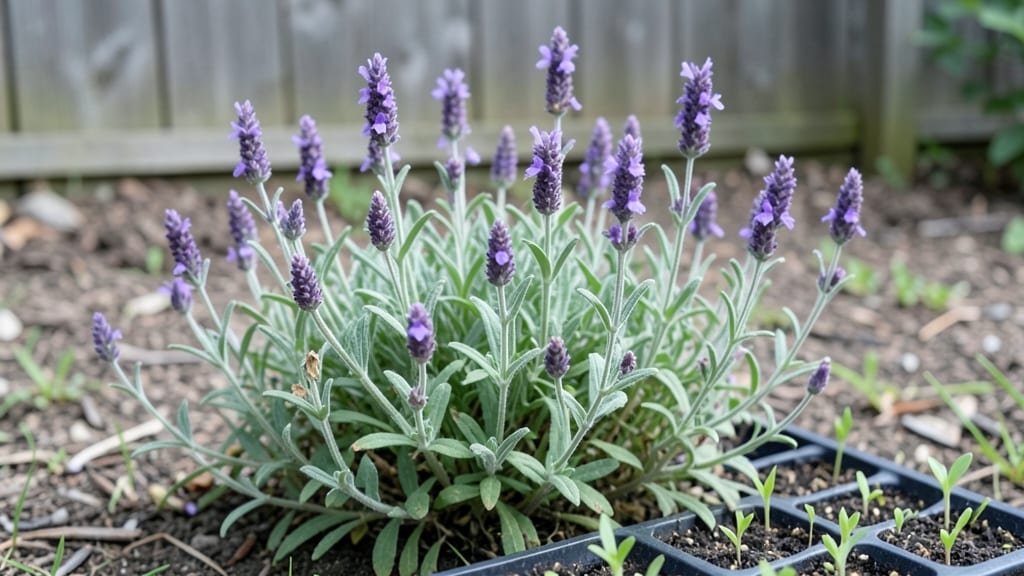
Growing verbena rigida seeds unlocks a fragrant, pollinator-packed garden in just 60 days—no fancy nursery plants required. I’ve grown this tough little annual from seed three times, and each batch brings clouds of bees, butterflies, and that unmistakable citrusy verbena scent that lingers through summer evenings.
The secret isn’t complicated: these seeds need warmth, patience, and a sunny spot to transform into a low-maintenance blooming machine.
You’ll need a warm seed-starting spot (70–75°F works best), a shallow tray with drainage, and a light potting mix—no fancy additives. Scatter the tiny seeds on top (they barely cover themselves) and keep them moist but never soggy.
Germination can take 10–21 days, so don’t panic if nothing happens right away. Once sprouts appear, move them to brighter light immediately to prevent leggy seedlings.
By day 60, you’ll have plants bursting with tiny purple flowers that pollinators can’t resist. The best part? Verbena rigida thrives in poor soil, tolerates heat, and keeps blooming until frost—no deadheading required.
It’s perfect for borders, containers, or even filling gaps in your pollinator garden where other plants might struggle.
Fair warning: these seeds are finicky about moisture during germination, and overcrowding can stall growth. But once established, they’re nearly indestructible. Start indoors now for summer blooms, or direct-sow in warmer zones after your last frost date. Either way, you’ll have a buzzing, fragrant garden before you know it.
📚 In This Guide
- What you need
- Instructions
- Tips and common mistakes
- Wrapping up and next steps
What you need
- ● Verbena rigida seeds: 1 packet (typically 50-100 seeds, depending on the brand). Opt for organic or heirloom varieties for best results.
- ● Well-draining potting mix: 1 bag (10-15 quarts). Use a blend designed for annuals or seeds.
- ● Seed-starting trays or small pots: 1 tray (with 12-24 cells) or 4-6 small pots (3-4 inches in diameter). Ensure they have drainage holes!
- ● Grow lights or sunny windowsill: A fluorescent grow light (or access to 6+ hours of direct sunlight daily).
- ● Spray bottle: For gentle watering. Avoid over-saturating the soil.
- ● Transplanting tools: Small trowel or spoon for moving seedlings.
- ○ Fertilizer (optional but helpful): A balanced, water-soluble fertilizer (5-10-5 ratio) or compost tea. Dilute to half-strength for seedlings.
- ● Heat mat: Speeds up germination (70-75°F is ideal).
- ● Humidity dome: Keeps moisture levels consistent for tender seedlings.
- ● Mulch or pebbles: Helps retain moisture in outdoor beds after transplanting.
- ● Pollinator-friendly companions: Marigolds, lavender, or cosmos to attract even more bees and butterflies!
Step-by-Step instructions for growing verbena rigida seeds
Transform your garden into a buzzing pollinator paradise in just 60 days with this fragrant, low-maintenance annual.
Prepare Containers and Seed Starting Mix
Fill four 3-inch deep seedling trays with a sterile seed-starting mix designed for annuals. Verbena rigida thrives in well-draining soil, so avoid garden soil—it compacts too easily and can suffocate tender roots. I like to add a handful of perlite to each tray to improve aeration and prevent damping-off. Moisten the mix thoroughly until it reaches a consistency like a damp sponge, but not so wet that it clumps when squeezed.
The key here is warmth—verbena seeds germinate best at 70-75°F. Place the trays on a seedling heat mat or in a warm spot near your kitchen appliances (just avoid direct heat sources). This consistent warmth ensures strong, uniform germination rather than spotty, weak seedlings. I’ve found that pre-warming the soil for 24 hours before sowing gives even better results.
Sow Seeds and Maintain Ideal Germination Conditions
Scatter the verbena rigida seeds lightly across the soil surface—there’s no need to bury them. These tiny seeds require light to germinate, so pressing them just barely into the mix with your fingertip is sufficient. I use a fine mist spray bottle to dampen the soil again after sowing, ensuring even moisture without disturbing the seeds. Cover the trays with clear plastic wrap or a humidity dome to trap warmth and moisture.
Place the covered trays in indirect light, like a bright windowsill with sheer curtains. Germination typically occurs within 10-14 days, but patience is key—some seeds may take up to 21 days to sprout, especially in cooler conditions. Check daily for condensation on the plastic; if it fogs up, remove the cover for 15 minutes to prevent fungal growth. Once you see the first green shoots, remove the cover permanently to encourage sturdy growth.
Provide Light and Thin Seedlings
As soon as the seedlings emerge, move them to a south-facing window or under a grow light providing 14-16 hours of light daily. Verbena rigida seedlings grow quickly but can become leggy if stretched toward weak light. I keep my grow light 2-3 inches above the seedlings and adjust it upward as they grow to maintain this distance. You’ll know your light is sufficient when the seedlings develop bold, dark green leaves and stems that feel firm to the touch.
When the seedlings reach 1-2 inches tall and have their first true leaves (not the initial seed leaves), it’s time to thin. Use a small pair of scissors to snip the weaker seedlings at soil level, leaving the strongest 4-6 plants per tray. This prevents overcrowding, which leads to competition for nutrients and increases the risk of disease. Keep the soil lightly moist but never soggy—verbena seedlings are sensitive to root rot.
Harden Off and Transplant
About 2-3 weeks before your last frost date, begin hardening off the seedlings. Start by placing them outside in a sheltered, shaded spot for 1-2 hours the first day. Gradually increase their outdoor time over 7-10 days, eventually leaving them out overnight. This acclimation period is critical—skipping it can shock the plants, causing them to wilt or even die when transplanted.
Choose a sunny location in your garden with at least 6 hours of direct sunlight daily. Verbena rigida loves well-draining soil, so if your garden soil is heavy clay, amend it with compost or sand. Space the seedlings 12-18 inches apart to allow for their bushy growth habit. Water deeply at the base after transplanting, and avoid getting foliage wet to prevent fungal issues. Within 2-3 weeks, you’ll see new growth signaling that your verbena is settling in and thriving.
Maintain and Enjoy Your Pollinator Magnet
Once established, verbena rigida is incredibly low-maintenance. Water 1-2 times per week, depending on rainfall, ensuring the soil dries out slightly between waterings. This drought-tolerant plant rewards you for occasional neglect with fragrant foliage and prolonged blooms from early summer until frost. Deadhead spent flowers regularly to encourage continuous blooming and prevent self-seeding if you don’t want volunteers popping up everywhere.
The real magic happens when butterflies, bees, and hummingbirds discover your garden. Verbena rigida’s lavender-blue flowers are a nectar powerhouse, attracting pollinators like crazy. Sit back and enjoy the show—your garden will be a fragrant, buzzing haven in just 60 days, just as promised. And if you save seeds from your plants, you’ll have an endless supply for next year!
Tips & tricks for perfect verbena rigida seedlings
Creating a thriving pollinator garden starts with these game-changing techniques that transform average seedlings into robust, fragrant verbena rigida plants ready to attract bees and butterflies in just 60 days.
Soil Warmth Strategy: The 24-hour pre-warming of your seed-starting mix at 70-75°F is non-negotiable for verbena rigida—this temperature range triggers consistent germination. I place my trays on a seedling heat mat for exactly 24 hours before sowing, which creates the ideal environment for those tiny seeds to break dormancy uniformly. If you don't have a heat mat, position trays near your refrigerator (the warm side) or on top of your water heater, but never in direct heat sources that could dry out the mix.
Light Management Technique: Those critical 14-16 hours of daily light in Step 3 demand attention to detail. I've found that positioning seedlings under a T5 grow light 2-3 inches above them creates perfect conditions—adjust the height as they grow to maintain this distance. For windowsill growers, rotate trays daily so all seedlings receive even light exposure. Leggy seedlings are a clear sign you need more intense light; supplement with a grow light immediately if you notice stems stretching toward the light source.
Thinning Precision: When your seedlings reach 1-2 inches tall with their first true leaves, thinning becomes crucial. I use clean, sharp scissors to snip at soil level, leaving only the strongest 4-6 plants per tray. This might seem harsh, but it prevents overcrowding that leads to weak, disease-prone plants. The key is to thin when seedlings are small enough to handle gently—larger seedlings pull up more easily and can damage roots of remaining plants.
Harden Off Gradually: The 7-10 day hardening off period in Step 4 is where many gardeners make critical mistakes. Start with just 1-2 hours of protected outdoor time on day one, then increase exposure gradually. I've seen seedlings wilt dramatically when moved too quickly to full sun—this shock can be fatal. Place them in morning sun first, then gradually introduce afternoon sun as they acclimate. By day 7, they should be ready for full sun exposure without wilting.
Pro Tips for Verbena Rigida Seeds
- Creating a thriving pollinator garden starts with these game-changing techniques that transform average seedlings into robust, fragrant verbena rigida plants ready to attract bees and butterflies in just 60 days.
- Soil Warmth Strategy: The 24-hour pre-warming of your seed-starting mix at 70-75°F is non-negotiable for verbena rigida—this temperature range triggers consistent germination.
- Light Management Technique: Those critical 14-16 hours of daily light in Step 3 demand attention to detail.
Frequently asked questions
about growing Verbena rigida seeds—because every gardener deserves clarity! Here are answers to the most common queries to help you cultivate this fragrant, pollinator-friendly plant with confidence.How long does it take for Verbena rigida seeds to germinate?
Germination typically occurs within 10–21 days when planted in warm soil (around 70–75°F). Keep the soil consistently moist but not soggy, and place trays in a sunny spot or under grow lights. Patience is key—some seeds may take up to 30 days, especially in cooler conditions.
When is the best time to plant Verbena rigida seeds outdoors?
For direct sowing, wait until after the last frost when nighttime temperatures stay above 50°F. In warmer climates, you can start seeds as early as late winter (8–10 weeks before the last frost) indoors. Verbena rigida thrives in full sun, so choose a well-drained spot with at least 6–8 hours of sunlight daily.
Are Verbena rigida seeds easy to grow for beginners?
These seeds are low-maintenance and perfect for beginners. They’re drought-tolerant once established, attract pollinators like bees and butterflies, and self-seed readily. Just ensure good drainage and avoid overwatering. With minimal effort, you’ll enjoy fragrant blooms in just 60 days!
Can I save and replant Verbena rigida seeds from my plants?
Yes! Let some flowers go to seed (they’ll form dry, papery seed heads). Harvest seeds when they’re brown and brittle, then store them in a cool, dry place. Viability lasts 1–2 years, so replant them the following season. This method ensures you get plants true to the parent variety.
What should I do if my Verbena rigida seeds aren’t sprouting?
First, check soil moisture—seeds need consistent dampness. If using trays, ensure they’re in a warm, bright location (not a dark closet!). Try stratifying seeds (chilling them for 2–4 weeks) if germination stalls. If all else fails, test a few seeds on a damp paper towel to rule out old or non-viable seeds.
Are there alternatives to Verbena rigida for pollinator-friendly flowers?
If you love attracting pollinators, consider these easy-to-grow alternatives:
- Lavender – Drought-resistant and fragrant.
- Coneflower (Echinacea) – Long-lasting blooms and low maintenance.
- Bee Balm (Monarda) – Vibrant colors and hummingbird magnets.
- Cosmos – Fast-growing and self-seeding.
Wrapping up and next steps
Growing Verbena rigida seeds is a rewarding journey that brings beauty, fragrance, and life to your garden in just 60 days! 🌸 With the right soil, sunlight, and care, you’ll create a haven for pollinators while enjoying the sweet scent of your hard work.
Whether you're a seasoned gardener or a beginner, these hardy seeds are your ticket to a vibrant, low-maintenance landscape.
Ready to take the next step? Start planting today—your garden (and the bees!) will thank you. 🐝✨ Grab your seeds now and watch your fragrant Verbena rigida bloom into a pollinator paradise!