
Watering
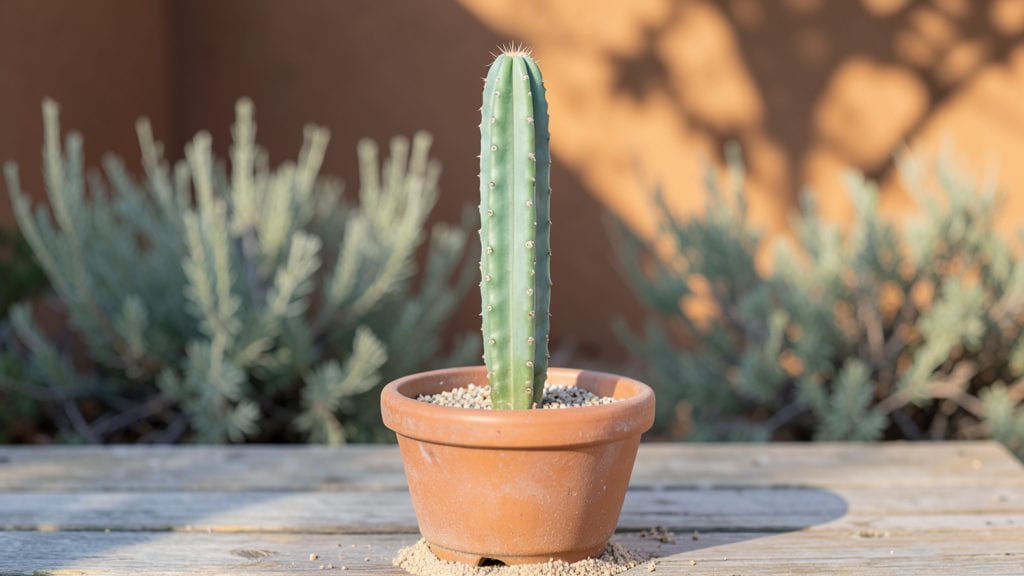
Growing a Trichocereus bridgesii seedling starts with getting moisture just right—too much and you risk rot, too little and it stalls. 🌱 I’ve watched these seedlings transform from fragile sprouts into sturdy plants by mastering a layered approach to water, and it’s the secret to strong roots before the first bloom.
The key isn’t just how often you water but how the soil holds moisture without drowning delicate roots.
This cactus thrives in fast-draining but moisture-retentive soil—think coarse sand mixed with perlite or pumice, not dense garden soil. A shallow pot with drainage holes prevents waterlogging, while a bottom layer of gravel keeps roots from sitting in soggy conditions.
Most growers overwater in spring, but Bridgesii seedlings need patience: let the top inch dry between waterings, even in summer.
What you’ll end up with is a stocky, healthy seedling ready for its first nocturnal flower in just a few years. The right moisture balance means fewer pests, no root rot, and a plant that grows faster than most cacti.
Once established, it rewards you with stunning white blooms that open only under moonlight—a sight that makes every careful watering worth it.
Works for both beginners and cactus collectors, though desert growers may need to adjust for summer humidity. The same principles apply whether you’re in a sunny greenhouse or a bright windowsill. Let’s get those roots growing strong!
📚 In This Guide
- What you need
- Instructions
- Tips and common mistakes
- Wrapping up and next steps
What you need
- ● Trichocereus bridgesii seeds: 1–5 seeds (depending on desired quantity; ensure they’re fresh or properly stored).
- ● Seed-starting mix: 1–2 cups of a well-draining, cactus/succulent blend (e.g., 50% perlite, 30% pumice, 20% coco coir).
- ● Small pots or seedling trays: 2–4 inches in diameter (biodegradable pots or plastic with drainage holes work best).
- ● Bottom watering tray or saucer: To maintain consistent moisture without overwatering.
- ● Spray bottle (fine mist): For gentle hydration (avoid soaking).
- ○ Clear plastic dome or humidity tent (optional but helpful): To retain moisture during germination.
- ● Tweezers or small spoon: For carefully placing seeds in the soil.
- ○ pH testing kit (optional): Ideal soil pH for cacti is 6.0–7.0.
- ● Grow lights or sunny windowsill: 12–16 hours of bright, indirect light daily.
- ○ Thermometer/hygrometer (optional): Monitor soil temp (ideal: 70–85°F) and humidity (50–70%).
- ● Patience & a light touch: Overwatering is the #1 killer—let the soil dry slightly between waterings!
Step-by-step instructions for cultivating Trichocereus bridgesii seedlings
Here’s how I nurture these delicate seedlings into sturdy young plants—keeping moisture balanced while encouraging strong root growth.
🌱 Step 1: Prepare the Moisture Layered Soil
Start with a sterile cactus/succulent mix (never garden soil—it holds too much moisture and invites rot). In a 4-inch pot, create a base layer of 1 inch of coarse sand or perlite at the bottom. This ensures drainage while preventing water from pooling at the roots.
Add 2 inches of the cactus mix on top, then gently press it down to remove air pockets. The goal is a firm but not compacted surface—just enough to support the seedling without suffocating it. Moisten this layer lightly with a spray bottle until the soil feels barely damp to the touch, like a wrung-out sponge. Overwatering now will drown the seed before it even germinates.
💧 Step 2: Sow Seeds and Maintain Gentle Moisture
Scatter 1-2 seeds per pot on the soil surface—don’t bury them. Trichocereus Bridgesii seeds need light to germinate, so pressing them lightly against the soil is enough. Cover the pot with a clear plastic dome or wrap it loosely in plastic wrap to retain humidity. Place the pot in a warm, bright spot (around 75-80°F) but avoid direct sunlight, which can overheat the soil.
Check moisture daily by lifting the pot—it should feel light but not bone-dry. Mist the soil lightly every 2-3 days if the surface dries out, but never let water pool. Germination can take 2-4 weeks, so patience is key. If condensation forms on the dome, remove it for 30 minutes daily to prevent fungal issues.
☀️ Step 3: Introduce Gradual Light and Airflow
Once seedlings emerge (look for tiny green sprouts), remove the plastic cover immediately to prevent damping-off. Place the pot under bright, indirect light for the first 7-10 days. Direct sun at this stage can scorch the delicate new growth. You’ll know they’re ready for more light when they develop their first true leaves—thicker and more defined than the initial cotyledons.
After 2 weeks, introduce 2-3 hours of morning sun daily, gradually increasing exposure over 10-14 days. Watch for color—healthy seedlings turn a vibrant green, while pale or yellowing leaves signal too much sun or inconsistent moisture. Rotate the pot weekly so growth stays even.
🪴 Step 4: Transition to Drier Conditions
By 6-8 weeks, when seedlings reach 2-3 inches tall, reduce watering to every 10-14 days, allowing the top 1 inch of soil to dry completely between waterings. Trichocereus Bridgesii seedlings thrive on neglect once established—overwatering is the #1 killer at this stage. Use the "finger test": Insert your finger 1 inch deep—if it feels dry, it’s time to water.
Repot into a 6-inch container with fresh cactus mix if roots are crowded (gently remove the seedling and check for roots circling the pot). After repotting, withhold water for 5-7 days to let any damaged roots heal. This toughens them up for their next growth phase.
⏰ Step 5: Monitor for Maturity Cues
Your seedlings are ready for the next phase when they develop 5-7 ribs and reach 4-6 inches tall. At this point, they can handle full morning sun and occasional afternoon shade in hotter climates. Reduce watering further to every 3-4 weeks, letting the soil dry out completely between sessions.
This is also when you’ll see the first signs of flowering potential—tiny buds forming at the tips. If you notice any yellowing or mushy stems, act fast: Reduce water immediately and ensure airflow around the plant. A slight breeze from a small fan helps prevent rot while encouraging sturdy growth.
Tips & tricks for perfect Trichocereus bridgesii seedling cultivation
Here's what nobody tells you about nurturing these delicate seedlings into thriving plants—these tricks make all the difference.
Soil Layering Secret: The 1-inch sand/perlite base isn't just for drainage—it's the foundation for preventing rot. I've seen seeds drown in regular soil because water pools at the bottom. This layered approach mimics their natural desert habitat where water quickly drains away. After adding the 2 inches of cactus mix, press it down gently but firmly—think of it like making a firm bed for your seedlings, not compacting it like concrete.
Germination Timing: Those 2-4 weeks of waiting can feel endless, but consistency is key. I set a reminder to check moisture every 2-3 days, but here's the thing: if condensation forms on that plastic dome, remove it for 30 minutes daily to prevent fungal issues. The goal is humidity without creating a sauna—your seeds need air to breathe while staying moist. In my experience, the first sprouts appear around week 3 if all conditions are perfect.
Light Transition Strategy: The 7-10 days of bright indirect light are critical for preventing sunburn on those delicate seedlings. I use a sheer curtain to diffuse harsh sunlight while still providing plenty of light. After 2 weeks, when you introduce 2-3 hours of morning sun, watch closely for color changes—healthy seedlings develop a vibrant green hue. If you notice pale or yellowing leaves, it's a sign they're getting too much direct sun too soon.
Watering Wisdom: The finger test is your best friend after the 6-8 week mark. Insert your finger 1 inch deep—if it feels dry, that's your cue to water. I've ruined seedlings by overwatering during this phase, so I now make a habit of checking before watering. Remember, Trichocereus Bridgesii seedlings thrive on neglect once established—overwatering is the #1 killer at this stage.
Pro Tips for Trichocereus Bridgesii Seedling
- Here's what nobody tells you about nurturing these delicate seedlings into thriving plants—these tricks make all the difference.
- Soil Layering Secret: The 1-inch sand/perlite base isn't just for drainage—it's the foundation for preventing rot.
- Germination Timing: Those 2-4 weeks of waiting can feel endless, but consistency is key.
Frequently asked questions
How often should I water a Trichocereus bridgesii seedling?
Water your seedling every 2–3 weeks during spring/summer, letting the soil dry completely between sessions. In fall/winter, reduce to once a month—overwatering is the #1 killer of young cacti. Always use bottom-watering to avoid rot.
How long does it take for a Trichocereus bridgesii seedling to germinate?
Germination can take 2–8 weeks, depending on temperature (ideal: 75–85°F) and moisture. Keep soil lightly damp (not soggy) and use a clear lid or plastic wrap to retain humidity. Patience pays off—slow starters often catch up!
Why is my seedling stretching or leaning?
This is etiolation, caused by lack of light. Move your seedling to a bright, indirect spot (south-facing window or grow light) immediately. If it’s already leaning, prop it up gently with a small stake until it straightens.
Can I use regular potting soil for my Trichocereus bridgesii?
Nope! Use a cactus/succulent mix with 50–70% perlite/pumice for drainage. Regular soil holds too much moisture, leading to root rot. Pro tip: Add a handful of coarse sand or orchid bark for extra airflow.
What do brown spots on my seedling mean?
Brown spots usually signal sunburn (too much direct sun) or rot (overwatering). If the spots are dry and crispy, acclimate slowly to sunlight. If mushy or sunken, reduce water and improve drainage. Trim dead tissue with sterile scissors.
What’s the best temperature range for seedlings?
Keep seedlings in 60–85°F during the day and no lower than 50°F at night. Avoid drafts or cold windowsills. If temps drop below 40°F, move indoors—Trichocereus bridgesii is frost-sensitive!
Wrapping up and next steps
Growing a Trichocereus bridgesii seedling thrives on patience and precision—especially when it comes to moisture control. By mastering layered watering techniques, you’re not just nurturing roots; you’re setting the stage for a resilient, thriving cactus. Remember, consistency is key, but so is adaptability—your plant’s needs may evolve as it matures.
Ready to take the next step? Monitor your seedling’s progress and fine-tune your watering schedule based on its growth and environmental cues. Happy growing—your cactus garden awaits! 🌱