
Container Gardens
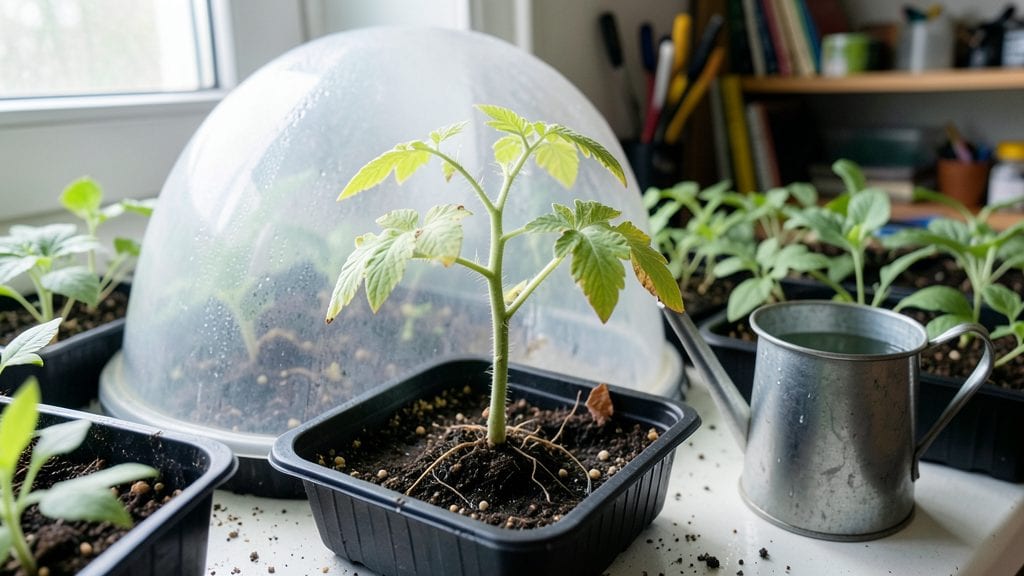
When seeds refuse to grow, it’s usually not their fault—it’s the conditions you’re giving them. 🌱 I’ve had entire seed trays go dormant because of one overlooked factor, and the fix often comes down to a simple adjustment in temperature, moisture, or timing.
The good news? Most sprouting failures are reversible with the right tweaks.
Cold stratification, or that "layered chill" in the title, is the game-changer for seeds that need winter to break dormancy. Think of it like waking a hibernating bear—some seeds won’t stir until they’ve experienced a period of cold.
Others just need consistent moisture, proper light, or the right soil mix to finally push through. The first step is diagnosing which issue your seeds are facing.
You’ll test soil moisture with your finger, check seed viability by floating them in water, and adjust light exposure based on seed type. Within a week, you’ll see the difference—tiny green hooks breaking the soil surface where nothing grew before.
The satisfaction of watching seeds finally sprout after troubleshooting is unmatched.
This method works for everything from finicky heirloom tomatoes to stubborn perennials. Whether you’re dealing with a single failed tray or a full garden of stubborn seeds, the layered chill technique brings results. Let’s get those seeds growing.
Root Causes Of Stalled Sprouting
Understanding why your seeds refuse to sprout is the first step toward fixing the problem. Even with the right layered chill technique, these hidden culprits can sabotage your container garden before it begins.
Let’s break down the science behind the most common reasons your seeds might be sitting idle—and how to diagnose them.
Seeds are picky about warmth—too cold, and they won’t germinate; too hot, and they may rot before sprouting.
Most seeds thrive in soil temperatures between 60–85°F (15–29°C), but some (like peas or lettuce) prefer cooler conditions (50–65°F / 10–18°C), while others (like tomatoes or peppers) need 75–90°F (24–32°C).
Why it happens:
- Cold soil slows metabolic activity, halting enzyme production needed to break down stored nutrients in the seed.
- Heat stress can denature proteins critical for germination, essentially "cooking" the seed before it wakes up.
- Fluctuating temps (common in unheated greenhouses or outdoor beds) confuse the seed’s internal clock, delaying or preventing germination.
Actionable fix: Use a seedling heat mat (70°F / 21°C) for warm-season crops or a cooling pad for cold-lovers. Monitor soil temp with a thermometer—buried 1 inch deep is ideal.
Water is the seed’s lifeline, but balance is key. Overwatering suffocates seeds with oxygen deprivation, while underwatering dries them out before germination.
Why it happens:
- Overwatering creates anaerobic conditions (no oxygen), triggering harmful bacteria like Pythium or Fusarium, which rot seeds.
- Underwatering causes the seed to desiccate—its outer coat hardens, and the embryo inside can’t absorb moisture to activate.
- Poor drainage in containers traps excess water, mimicking a swampy environment seeds hate.
Actionable fix:
- Bottom-water seeds by placing trays in shallow water for 10–15 minutes, then drain excess.
- Use well-draining mix (50% peat/coir, 30% perlite, 20% vermiculite) to prevent sogginess.
- Mist lightly (not soaked) every 1–2 days—seeds need moisture, not a bath.
Even with perfect conditions, old or damaged seeds won’t sprout. Viability (a seed’s ability to germinate) drops sharply after 1–5 years, depending on the type.
Why it happens:
- Natural aging breaks down the seed’s embryo or endosperm (food reserve), starving it before germination.
- Improper storage (heat, humidity, or light exposure) accelerates deterioration.
- Mechanical damage (crushing, nicking, or rough handling) punctures the seed coat, exposing the embryo to pathogens.
Actionable fix:
- Test viability with a paper towel germination test: Moisten a towel, place seeds between two, seal in a bag, and check for sprouts in 3–7 days.
- Store seeds properly: Keep in a cool (40°F / 4°C), dark, dry place in airtight containers with silica gel packets.
- Buy fresh—look for packaging dates (not just "best by") and prioritize heirloom or organic seeds with higher germination rates.
Most seeds don’t need light to germinate—in fact, many (like tomatoes or beans) sprout better in darkness to conserve energy. But once they’ve sprouted, light becomes critical for photosynthesis.
Why it happens:
- Premature light exposure causes seeds to bolt (shoot upward too fast) or etiolate (grow leggy and weak).
- Complete darkness (for light-sensitive seeds like lettuce or basil) can prevent germination entirely.
- Weak or incorrect light sources (like LED bulbs with poor red/far-red spectrum) confuse photoperiod-sensitive seeds.
Actionable fix:
- Keep seeds dark until true leaves appear (not just the first "seed leaf" or cotyledon).
- Use grow lights (full-spectrum LEDs) 2–3 inches above seedlings for 12–16 hours/day once they sprout.
- For light-dependent seeds (like some wildflowers), stratify with light exposure (e.g., 1–2 weeks in a bright, cool spot before chilling).
Unseen microbes can turn your seed-starting mix into a Petri dish of decay. Damping-off (a fungal disease) is the #1 killer of young seedlings.
Why it happens:
- Overcrowded seeds reduce airflow, trapping humidity and inviting Rhizoctonia or Pythium fungi.
- Contaminated soil (from reused or outdoor soil) harbors pathogens like Botrytis (gray mold).
- High humidity + warm temps create the perfect storm for bacterial soft rot (Erwinia spp.).
Actionable fix:
- Sterilize your mix: Bake soil at 180°F (82°C) for 30 minutes or use hydrogen peroxide (3%) (1 part peroxide to 10 parts water) to disinfect.
- Space seeds 1–2 inches apart to improve airflow.
- Use fungicides like neem oil or copper-based sprays preventatively.
- Avoid overhead watering—use a spray bottle or drip irrigation to keep foliage dry.
Residual pesticides, fertilizers, or even salt buildup from tap water can poison seeds before they sprout.
Why it happens:
- Synthetic fertilizers (high in salts) osmotically stress seeds, drawing moisture out of them.
- Pesticide residues (even from "organic" sprays) can disrupt enzyme activity in the seed.
- Alkaline soil (pH >7.5) locks out essential nutrients like phosphorus and iron, starving the seedling.
Actionable fix:
- Flush soil with distilled or rainwater (low in minerals) before planting.
- Test pH—aim for 6.0–7.0 for most seeds (use lime to raise or sulfur to lower).
- Use organic fertilizers like fish emulsion or compost tea sparingly—too much can burn seeds.
- Soak seeds overnight in distilled water to leach out any residual toxins.
Some seeds (like apples, maples, or certain wildflowers) require a "wake-up call"—either cold treatment (stratification) or physical damage (scarification)—to break dormancy.
Why it happens:
- Lack of cold treatment prevents seeds from producing gibberellins (hormones that trigger germination).
- Unscarified seeds (like those with hard coats) can’t absorb water, leaving the embryo dehydrated.
- Incorrect stratification duration (too short = no effect; too long = seed rot).
Actionable fix:
- Cold-stratify (refrigerate moist seeds in a bag for 2–12 weeks, depending on the species).
- Scarify hard-coated seeds by:
- Nick the seed coat with sandpaper or a knife.
- Soak in warm water for 24–48 hours.
- Freeze-thaw cycle (freeze overnight, then thaw—repeat 2–3 times).
- Check seed packets—some specify stratification requirements (e.g., "needs 90 days cold").
Not all seeds are created equal. Some have deep dormancy, light-dependent germination, or symbiotic relationships (like legumes needing Rhizobium bacteria).
Why it happens:
- Parasitic seeds (e.g., dodder or broomrape) won’t germinate without a host plant’s chemical signals.
- Light-requiring seeds (e.g., some wildflowers) need red light exposure to trigger germination
Fixing Stubborn Seeds for Strong Starts
If your seeds are refusing to sprout, don’t toss them just yet! With the right adjustments, you can coax them into life. Below, we map common issues to simple fixes—plus prevention tips to keep future seedlings thriving.
Seeds need the perfect warmth to germinate. If your soil is too cold, they’ll stall; if it’s too hot, they may dry out or rot.
How to Fix It: 🔥 Raise the heat (for slow starters): Place trays on a seedling heat mat (70–85°F for most veggies) or near a sunny window. 🌡️ Lower the heat (for overheating): Move containers away from heat sources or use shade cloth if temps exceed 90°F. ⏰ Be patient: Some seeds (like peas or lettuce) germinate faster in cooler soil (60–70°F). Prevention Tip: 💡 Use a soil thermometer to monitor temps—consistency is key!Seeds drown in soggy soil or dry out if moisture levels are off. The goal? Keep soil damp, not waterlogged.
How to Fix It: 💦 For underwatering: Mist soil lightly with a spray bottle or water gently from the bottom (place trays in ½ inch of water for 10 mins). 🌧️ For overwatering: Let soil dry slightly between waterings—stick your finger in; if the top inch is damp, wait. Improve drainage by adding perlite or sand to potting mix. 👨🍳 Pro move: Use a moisture meter or the "squeeze test"—if soil feels like a wrung-out sponge, it’s too wet. Prevention Tip: ✨ Use well-draining seed-starting mix and water only when the top layer feels dry.Compacted, nutrient-poor, or sterile soil can strangle seeds before they sprout.
How to Fix It: 🔄 Refresh the mix: Dump old soil and replace with a light, sterile seed-starting blend (add 20% perlite or vermiculite for fluffiness). 🍽️ Boost nutrients: Stir in a pinch of compost or worm castings for a gentle nutrient kick. 🔪 Break up clumps: Fluff soil with a fork or your fingers to improve aeration. Prevention Tip: 🌡️ Sterilize soil (if reused) by baking it at 200°F for 30 mins to kill fungi/bacteria.Buried too deep? Seeds suffocate. Too shallow? They dry out. Each seed has its own ideal depth.
How to Fix It: 📏 Check seed packets: Tiny seeds (like carrots) need just a sprinkle (¼ inch deep); larger ones (beans) can go 1–2 inches down. 👨🍳 No-till option: Press seeds gently into soil (no covering) if they’re light-sensitive (e.g., lettuce). ⏰ Timing matters: Water after planting to settle soil around seeds. Prevention Tip: ✨ Use a ruler or toothpick to measure depth—consistency prevents uneven germination.Mold, mold, mold—or worse, hungry pests—can halt germination before it starts.
How to Fix It: 🧼 Clean containers: Scrub trays with 1-part hydrogen peroxide to 4-parts water before reuse. 🍄 Fight fungus: Sprinkle cinnamon or diatomaceous earth on soil to prevent mold. 🐛 Pest patrol: Inspect seeds for webbing/bugs before planting; use row covers if pests are present. Prevention Tip: 💡 Start clean: Use new pots or sterilize old ones with boiling water.Seeds lose vigor over time. If they’re past their prime, they may never sprout.
How to Fix It: 🧪 Viability test: Soak seeds in water for 24 hours—sinkers are usually good; floaters may be dead. 🔄 Buy fresh: Opt for seeds labeled for the current year (or stored properly). 🌱 Try a new batch: If germination rates are low, replace seeds. Prevention Tip: 🌡️ Store seeds right: Keep them in a cool, dry place (50–70°F) in airtight containers with silica gel packets.Some seeds need darkness to germinate; others bolt in too much light.
How to Fix It: 🌑 Dark germinators: Cover trays with a damp paper towel or bury them in soil until sprouts appear (e.g., basil, parsley). ☀️ Light-lovers: Place trays under grow lights (12–16 hrs/day) once sprouts emerge. 🌱 Transplant shock: Avoid moving seedlings until they have 2 true leaves. Prevention Tip: ✨ Label trays with seed types and light needs to avoid mix-ups!Combine these fixes for the best results:
- ✅ Layer your approach: Fix moisture and temperature simultaneously.
- ✅ Track progress: Use a germination journal to note what works.
- ✅ Patience pays: Some seeds take 2–3 weeks to sprout—don’t give up!
With these tweaks, your seeds should be reaching for the light in no time. Happy growing! 🌱💚
Frequently asked questions
Why are my seeds just sitting there and not sprouting?
The most common reasons are incorrect soil temperature (60–85°F for most seeds), improper moisture (either too soggy or too dry), or seeds that are too old. Start by checking your soil temperature with a thermometer—many seeds need warmth to activate their enzymes. Also test moisture by sticking your finger in: it should feel damp like a wrung-out sponge, not bone-dry or muddy.
How do I know if my seeds are still viable?
Try the paper towel test: Moisten a paper towel, place seeds between two, seal in a bag, and check for sprouts in 3–7 days. If 50% or fewer sprout, your seeds may be old or damaged. For extra insurance, soak seeds in water overnight—floaters are likely dead, while sinkers usually still have life. Always check the seed packet for the recommended planting year.
Is it better to use bottom watering or top watering for seeds?
Bottom watering is ideal for most seeds—place your tray in ½ inch of water for 10–15 minutes, then drain excess. This prevents soil from becoming waterlogged while keeping moisture consistent. Top watering can displace seeds or create uneven moisture. For delicate seeds like lettuce, bottom watering is especially critical to avoid washing them away.
What should I do if mold appears on my seed trays?
Mold means your soil is too wet or lacks airflow. Immediately stop watering and let the top layer dry slightly. Remove any moldy soil and replace it with fresh, sterile seed mix. Sprinkle a thin layer of cinnamon or diatomaceous earth on top to prevent further fungal growth. Always use well-draining soil and avoid overcrowding seeds to improve airflow.
Do all seeds need light to germinate?
No—most seeds (70%+) actually germinate better in darkness to conserve energy. Only light-sensitive seeds (like some wildflowers or lettuce) need light to trigger germination. Keep trays covered until you see the first true leaves (not just the initial seed leaves). Once they sprout, move them to bright light (12–16 hours/day) to prevent leggy growth.