
Pests and Diseases
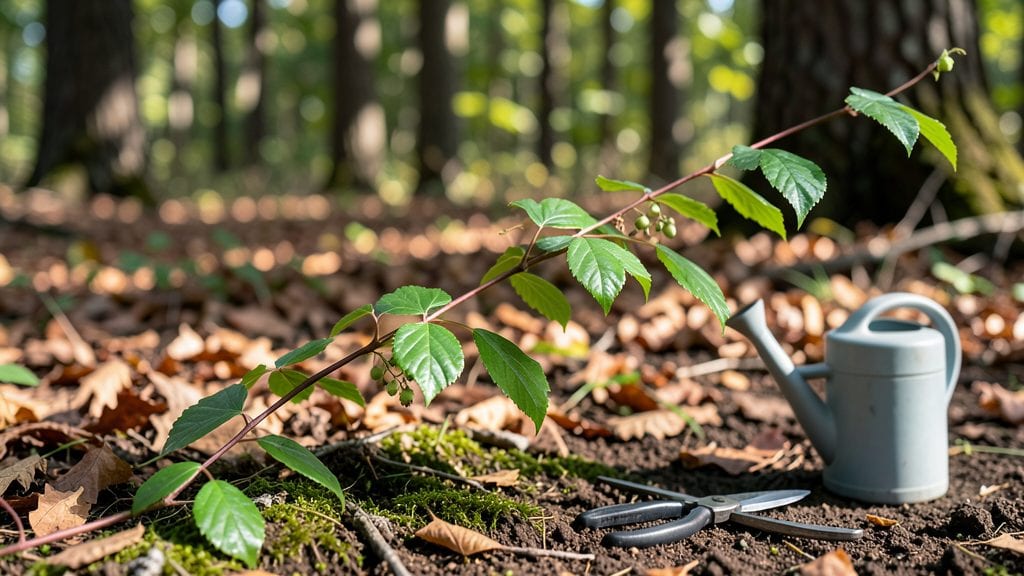
Spotting poison ivy seedlings before they spread is your fastest defense against a garden takeover. ✨ I’ve pulled more of these sneaky vines than I’d like to admit, and the key is acting within the first week—before those three-leaf clusters turn into an unmanageable jungle.
The moment you see that classic "leaves of three, let it be" pattern, grab your gloves and tools, because hesitation lets it win.
Your go-to tools are a sturdy pair of pruners for roots and a plastic bag for disposal—never burn or compost the clippings. I’ve learned the hard way that even tiny fragments can regrow, so seal everything in a heavy-duty trash bag before hauling it to the curb.
For stubborn roots, a garden fork helps dig them out cleanly, but always wear long sleeves and wash your tools with vinegar afterward to kill any lingering oils.
What you’ll notice after removal is how quickly your garden reclaims its space—no more itchy rashes or lost patches of soil. The secret weapon here is vigilance: check new growth weekly, especially after rain, when seedlings pop up fastest.
A little prevention now means no poison ivy battles later, and your yard stays the peaceful retreat it should be.
This method works in shade or sun, for small patches or larger infestations—just scale up your tools and patience. The goal isn’t just to clear it out but to keep it from coming back, so your garden stays safe and stress-free for seasons to come.
How Young Plants Trigger Reactions
Seedling poison ivy may seem harmless due to its small size, but its presence can lead to painful rashes and allergic reactions. Understanding why these young plants are so problematic—and how they differ from mature vines—can help you avoid accidental exposure. Here’s why these tiny troublemakers pack such a punch.
Poison ivy seedlings contain urushiol, the same oily resin found in mature plants that triggers allergic reactions in most people. Unlike older vines, seedlings have a higher concentration of urushiol relative to their size, making them more potent per square inch.
When you brush against, crush, or even touch the sap from a seedling:
- Urushiol binds to skin proteins within minutes, creating an immune response.
- Even microscopic amounts (as little as 0.1 micrograms) can cause reactions in sensitive individuals.
- Children and pets are at higher risk because their skin is thinner and more permeable.
Pro Tip: 💡 Wear gloves and long sleeves when handling any plant material in wooded or overgrown areas—seedlings are often hidden in leaf litter or low-lying brush.
Seedlings are easily disrupted during gardening, landscaping, or hiking, leading to unintended spread. Here’s how:
- Gardening tools: Pruners, rakes, or shovels can transfer urushiol from seedlings to other plants, soil, or even your hands.
- Clothing and pets: Urushiol clings to fabric, fur, and shoes, then hitchhikes into your home or yard.
- Wind and wildlife: Seedlings produce lightweight fruits (technically berries) that birds and animals disperse, planting new colonies.
Actionable Fix: 🧹 Clean tools with rubbing alcohol after use, and wash clothing separately in hot water to prevent cross-contamination.
Seedlings thrive in environments where mature poison ivy is already established, making them harder to spot. Common hotspots include:
| Location | Why Seedlings Hide There |
|---|---|
| Under decks or sheds | Moist, shaded conditions mimic forest floors, where poison ivy seedlings germinate best. |
| Along fences or stone walls | Cracks and crevices provide shelter from sunlight and predators. |
| Near firewood piles | Organic debris creates ideal conditions for seedling growth. |
Key Insight: 🌡️ Inspect these areas in early spring when seedlings emerge—before they grow large enough to notice.
Young poison ivy seedlings lack the distinctive three-leaf pattern of mature plants, making them easy to mistake for harmless vines like:
- Virginia creeper (five leaflets, toothed edges).
- Boxelder or ash saplings (compound leaves but no urushiol).
- Wild grapevine (rough bark and tendrils, but no rash risk).
Memory Trick: ✨ Count the leaflets—poison ivy always has three smooth-edged leaves (or multiples of three). If unsure, avoid touching and use a plant ID app.
How to Remove It Safely
Poison ivy seedlings may seem small, but they’re relentless—if left unchecked, they’ll spread and take over your yard, garden, or even your home’s exterior. The good news? With the right approach, you can eliminate them fast and safely without risking skin irritation or environmental harm.
Below, we break down targeted solutions based on the most common causes of seedling growth, along with prevention tips to keep them from returning.
Cause: You caught them before they spread—great job! Fix: Manual removal is your best bet here. Since seedlings are young, they’re easier to pull without disturbing the roots of mature plants nearby.
- 👨🍳 Put on protective gear first
- Wear long sleeves, gloves (nitrile or vinyl), and goggles to avoid direct contact with oils (urushiol).
- Pro tip: 💡 Use disposable coveralls if you’re extra cautious or working in a heavily infested area.
- 🔪 Pull or dig them out - For small seedlings: Grasp the stem near the base and pull firmly upward.
The whole plant (roots and all) should come out easily. - For stubborn roots: Use a trowel or garden fork to loosen the soil and lift the seedling carefully. - Warning: ⚠️ Never burn poison ivy—the smoke contains urushiol and can cause severe respiratory irritation.
- 🧹 Dispose of them properly
- Seal the seedlings in a plastic bag and throw them in the trash (not compost or recycling).
- Pro tip: 🌡️ If you’re unsure about disposal, double-bag them and spray the outer bag with rubbing alcohol to kill any lingering oils.
Cause: You ignored the seedlings, and now they’re forming clusters. Fix: A combination of physical removal and herbicide works best here. Since the roots may be more established, you’ll need a stronger approach.
- 🍳 Smother or mulch the area
- Cover the patch with black plastic sheeting or cardboard for 4–6 weeks to block sunlight. This starves the seedlings of energy.
- Pro tip: ✨ For organic control, use thick mulch (wood chips or straw) to suppress growth over time.
- 💊 Apply targeted herbicide
- Use a glyphosate-free herbicide (like triclopyr or vinegar-based spray) for spot treatment.
- How to apply:
- Spray directly on the leaves (avoid overspray on desirable plants).
- Reapply every 5–7 days until the seedlings die back.
- Warning: ⚠️ Avoid systemic herbicides if you have pets or kids—they can harm other plants.
- 🔄 Follow up with manual removal
- After herbicide treatment, pull any remaining stems (even dead ones) to prevent regrowth.
Cause: You let it go too long, and now it’s everywhere. Fix: This requires aggressive treatment—think systemic solutions + long-term prevention.
- 🌿 Use a pre-emergent herbicide (fall or early spring)
- Apply a pre-emergent like corn gluten meal to prevent new seedlings from sprouting.
- Pro tip: 🎯 For chemical control, use imazamox or glufosinate (follow label instructions carefully).
- 🔥 Solarize the soil (for extreme cases)
- Cover the area with clear plastic for 6–8 weeks in hot weather. The sun cooks the roots, killing the plant.
- Best for: Large, open areas where other methods fail.
- 🌱 Replace with competitive ground cover
- Plant dense, fast-growing ground covers (like clover, creeping thyme, or ornamental grasses) to outcompete poison ivy.
- Bonus: This also improves soil health and reduces future regrowth.
Once you’ve removed the seedlings, stop them from coming back with these long-term strategies:
- 🌿 Regular inspections – Check your yard monthly (especially in spring/summer) for new sprouts. - 🚫 Clean tools & gear – Wash gardening tools, boots, and pets after working near infested areas to avoid spreading seeds. - 🌳 Improve drainage – Poison ivy thrives in shady, moist areas.
Enhance sunlight and airflow to make your yard less hospitable. - 🐶 Train pets to avoid chewing – If your dog loves digging, supervise them near treated areas (herbicides can be toxic if ingested). - 🏡 Seal your home’s exterior – If poison ivy climbs walls, trim vines early and seal cracks to prevent regrowth.
Final Thought: 🎯 The key to beating poison ivy seedlings is speed and consistency. The sooner you act, the easier it is to remove—so don’t wait! With the right tools and techniques, you can reclaim your space without breaking a sweat (or your skin).
Frequently asked questions
How can I tell if a young plant is poison ivy?
Look for the classic three smooth-edged leaves growing in a cluster. Young seedlings may have fewer leaves, but they'll still follow this pattern. If you're unsure, avoid touching and use a plant identification app—never risk skin contact with suspected poison ivy.
What's the safest way to remove poison ivy seedlings?
Always wear nitrile gloves, long sleeves, and goggles before handling. Pull seedlings from the base or dig with a trowel, then immediately seal them in a plastic bag for disposal. Never burn or compost the plants—urushiol oils can linger and cause reactions.
Will vinegar kill poison ivy seedlings?
Yes! A 20% vinegar solution (one part white vinegar to one part water) works as a natural herbicide. Spray it directly on the leaves and reapply every 3-5 days until the seedlings die. For best results, apply on sunny days when the plants are actively growing.
How long does urushiol oil stay active on tools or clothing?
Urushiol can remain active for years if not properly cleaned. Wash tools with rubbing alcohol or soapy water, and launder clothing in hot water. Store gardening equipment in a dry place to prevent oil buildup between uses.
Can pets spread poison ivy?
Urushiol sticks to pet fur and paws, then transfers to your home or yard. After walks, wipe down your pet with a damp cloth and wash their paws. Keep them away from treated areas until the herbicide has fully dried.