
Container Gardens
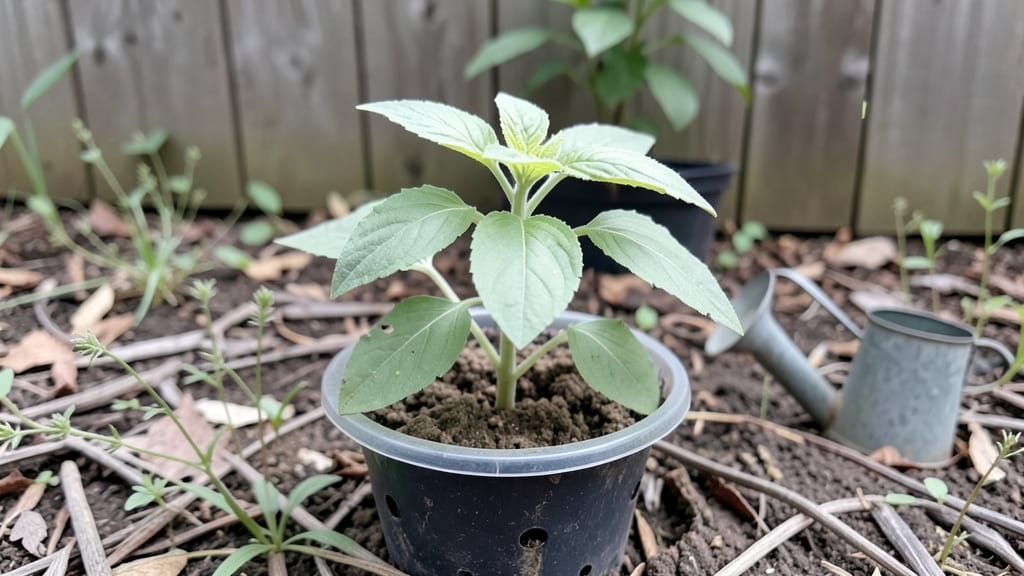
Seedling not growing? That heartbreaking sight of a seedling refusing to budge happens to every gardener—even the experienced ones. I’ve stared at my own stalled seedlings, wondering what went wrong, and I’ve learned the telltale signs of what’s really holding them back.
The good news? Most issues have simple fixes, and once you spot the problem, you can get those tiny roots moving again.
Poor soil, weak light, or uneven watering are the usual culprits, but temperature swings and hidden pests can sabotage growth too. I’ll walk you through how to check each one—starting with the soil’s moisture and nutrient levels, then moving to light exposure and watering habits.
You’ll know exactly where to adjust, and within days, you’ll see those first true leaves pushing through.
The payoff comes fast: healthy seedlings mean stronger transplants, bigger harvests, and fewer replanting headaches. By the time you’re done troubleshooting, you’ll spot problems before they stall growth—and your next batch will be thriving. Let’s turn those limp sprouts into powerhouses.
This works for any seedling—veggies, flowers, or herbs—whether you’re growing in trays, solo cups, or under grow lights. The same principles apply, so you’ll have a foolproof system for diagnosing and fixing stalled growth every time.
Root Causes Behind Stalled Seedlings
When your seedlings refuse to grow, it’s often a sign that something fundamental is missing—or going wrong—below the surface. Understanding these hidden factors can help you pinpoint the issue and take corrective action before it’s too late.
Let’s dig into the most common reasons why your seedlings might be stuck in their growth cycle.
🌱 The silent growth killer most gardeners overlook.
Seedlings rely on light to fuel photosynthesis—the process that converts sunlight into energy for growth. Without enough light, they’ll stretch weakly (a condition called etiolation), produce pale leaves, or simply halt growth entirely.
- Why it happens:
- Low-light conditions (e.g., placing seedlings in a dim corner or under artificial lights that aren’t strong enough).
- Cloudy weather or short daylight hours (common in winter or northern climates).
- Overcrowding, where seedlings block each other’s access to light.
- Actionable fix:
- Move seedlings to a south-facing window (or the brightest spot in your home).
- Use grow lights (LED or fluorescent) 12–16 hours daily, keeping them 2–4 inches above seedlings.
- Thin out overcrowded trays to prevent shading.
🌿 Even the best seeds need the right fuel to thrive.
If your soil lacks essential nutrients or drains poorly, seedlings struggle to absorb water and minerals, leading to stunted growth.
- Why it happens:
- Sterile or compacted soil (e.g., reused potting mix without amendments, clay-heavy soil).
- Lack of key nutrients like nitrogen (for leaf growth), phosphorus (for root development), or micronutrients (e.g., iron, magnesium).
- Over-fertilization, which can burn delicate roots and halt growth.
- Actionable fix:
- Use a lightweight, well-draining seed-starting mix (avoid garden soil—it’s too dense).
- Add a balanced starter fertilizer (5-10-5 or 7-7-7 ratio) at planting and again when true leaves appear.
- Test soil pH (ideal: 5.8–6.8 for most seedlings) and amend with lime (to raise pH) or sulfur (to lower it) if needed.
💧 The Goldilocks zone: Not too much, not too little.
Watering is a balancing act—too little, and roots dry out; too much, and roots suffocate from lack of oxygen.
- Why it happens:
- Overwatering: Soggy soil cuts off oxygen, leading to root rot (a fungal infection that kills roots).
- Underwatering: Dry soil prevents nutrient uptake, causing seedlings to wilt or stop growing.
- Poor drainage: Trays without drainage holes or compacted soil trap excess water.
- Actionable fix:
- Water only when the top inch of soil feels dry (stick your finger in to check).
- Use well-draining pots (with drainage holes) and a mix that holds moisture but doesn’t stay soggy.
- Avoid bottom-watering if your tray doesn’t drain—water from the top instead.
- Pro tip: 💡 Use a spray bottle for delicate seedlings to keep soil evenly moist without oversaturating.
🌡️ Too hot or too cold shuts down growth.
Seedlings are sensitive to temperature fluctuations. Extreme heat or cold disrupts metabolic processes, slowing or stopping growth.
- Why it happens:
- Cold drafts (e.g., near AC vents, open windows, or unheated greenhouses).
- Heat stress (e.g., placing seedlings near radiators, in direct afternoon sun, or in poorly ventilated spaces).
- Nighttime temperature drops (common in unheated greenhouses or basements).
- Actionable fix:
- Keep seedlings in a consistent 65–75°F (18–24°C) range during the day and 55–65°F (13–18°C) at night.
- Use a seedling heat mat (70–80°F) if your space is too cool.
- Avoid placing seedlings near cold windows or heat sources like vents.
- Pro tip: ✨ If your home fluctuates wildly, move seedlings to a closet with a grow light for stability.
🐜 Tiny invaders can derail growth before you even notice.
Fungal diseases, bacteria, or pests like aphids, spider mites, or fungus gnats can weaken seedlings, leading to yellowing leaves, stunted growth, or death.
- Why it happens:
- Fungal diseases (e.g., damping-off, powdery mildew) thrive in overly wet, poorly ventilated conditions.
- Pests (e.g., aphids, thrips) suck sap from leaves, weakening the plant.
- Bacterial infections (e.g., soft rot) cause wilting and blackened stems.
- Actionable fix:
- Prevent damping-off: Use sterilized soil, avoid overwatering, and space seedlings for airflow.
- Inspect regularly for pests (check undersides of leaves and stems).
- Treat early: Spray with neem oil (for pests) or copper fungicide (for fungal issues).
- Quarantine affected seedlings to prevent spread.
🌱 Even the healthiest seedlings can stall if their roots are unhappy.
If seedlings are root-bound, overcrowded, or recently transplanted, their growth can halt while they adjust.
- Why it happens:
- Root-bound pots: Roots circling the bottom of the container can’t expand, limiting nutrient uptake.
- Recent transplanting: Seedlings use energy to establish new roots instead of growing upward.
- Hardening off too soon: Moving seedlings outdoors before they’re acclimated causes stress.
- Actionable fix:
- Repot root-bound seedlings into slightly larger containers (but no more than 2–3 inches wider).
- Gradually harden off seedlings by exposing them to outdoor conditions for 5–7 days before full transplant.
- Avoid over-handling—transplant carefully to minimize root damage.
🌱 Sometimes, the problem isn’t you—it’s the seed itself.
Not all seeds are created equal. Some may be old, low-quality, or incompatible with your growing conditions.
- Why it happens:
- Old or stored seeds (viability drops after 1–2 years for most vegetables).
- Hybrid or heirloom mismatches (some varieties grow slowly or require specific conditions).
- Poor germination (seeds that didn’t absorb enough water or were planted too deep).
- Actionable fix:
- Test seed viability by soaking a few in water—if they sink, they’re likely good.
- Plant fresh seeds (purchase new packets if growth stalls from day one).
- Check planting depth—most seeds need 2–3x their diameter of soil cover (e.g., tomato seeds: ¼ inch deep).
🔍 The best diagnosticians eliminate possibilities systematically.
If your seedlings aren’t growing, start by checking:
- Light (are they getting enough?)
- Water (is the soil too wet or dry?)
- Soil (is it nutrient-rich and well-draining?)
- Temperature (is it too hot or cold?)
- Pests/disease (any signs of damage?)
Once you identify the culprit, take one corrective action at a time and monitor progress. Often, fixing just one of these issues can jumpstart growth!
Quick Fixes for Stalled Seedling Growth
Now that you’ve pinpointed the culprit behind your seedling’s sluggish growth, let’s roll up our sleeves and get those tiny roots reaching for the sky again! Below are practical, step-by-step solutions tailored to the most common causes—plus pro tips to keep your seedlings thriving long-term.
Problem: Seedlings competing for nutrients, water, and space. Fix:
- 🔍 Gently inspect the container—if roots are tangled or circling the edges, it’s time to act.
- 👨🍳 Use a butter knife or your fingers to carefully separate seedlings, keeping the healthiest one (or two, if transplanting).
- 🌿 Replant the chosen seedling(s) in a larger pot or individual container with fresh soil.
- 💧 Water lightly to settle the roots without drowning them.
Prevention Tip: 💡 Sow seeds sparsely (follow packet spacing guidelines) or use soil blocks to avoid overcrowding from the start.
Problem: Leggy, weak stems (too little light) or crispy, stunted leaves (too much). Fix:
- 🌞 For weak, stretched seedlings:
- Move them closer to a south-facing window or under grow lights (12–16 hours/day).
- 🔥 Use a clip-on LED light if natural light is limited—just 4–6 inches above the seedlings works.
- ⏰ Rotate pots daily to prevent leaning toward the light source.
- 🌡️ For scorched or yellowing leaves:
- Shift seedlings 2–3 feet away from a sunny window or filter direct sunlight with a sheer curtain.
- 🌿 If using grow lights, raise them 6–12 inches above the seedlings to avoid heat stress.
Prevention Tip: ✨ Start with the right light setup—seedlings need bright, indirect light (or artificial) from day one.
Problem: Overwatering (root rot) or underwatering (dry, brittle seedlings). Fix:
- 💦 For soggy soil (overwatering):
- 🔪 Remove the seedling from the pot and trim any mushy roots with sterilized scissors.
- 🌱 Repot in fresh, well-draining soil (mix in perlite or vermiculite for aeration).
- 🚫 Hold off on watering for 2–3 days to let roots recover.
- 🌵 For dry, cracked soil (underwatering):
- 💧 Water deeply until it drains from the bottom, then empty the saucer to prevent soggy roots.
- 🌿 Use a spray bottle for delicate seedlings to avoid disturbing the soil.
Prevention Tip: 🎯 Check soil moisture daily—stick your finger 1 inch deep; if it’s dry, water. If damp, wait.
Problem: Pale leaves, stunted growth, or slow recovery after transplant shock. Fix:
- 📊 Test your soil (a simple DIY pH test kit works) to check for deficiencies (e.g., nitrogen, phosphorus, or micronutrients).
- 💪 For nitrogen deficiency (yellow lower leaves):
- Add a balanced fertilizer (5-10-5 or 10-10-10) diluted to half strength.
- 🥗 Organic option: Mix in compost or worm castings for a slow-release boost.
- 🌿 For phosphorus deficiency (dark leaves, weak stems):
- Use a phosphorus-rich fertilizer (like bone meal) or fish emulsion (1 tbsp per gallon of water).
Prevention Tip: 🔥 Start with nutrient-rich soil (like a seed-starting mix) and fertilize lightly—seedlings don’t need heavy feeding!
Problem: Chewed leaves, sticky residue, or fungal spots (e.g., damping-off). Fix:
- 🐜 For aphids, spider mites, or fungus gnats:
- 🔪 Blast off pests with a strong spray of water (repeat daily for 3 days).
- 🌿 Apply neem oil (mix 1 tsp neem oil + 1 tsp mild soap + 1 quart water) as a preventive spray.
- 🍄 For damping-off (black, mushy stems):
- 🚫 Remove infected seedlings immediately to stop spread.
- 🌱 Repot survivors in sterile, dry soil and reduce watering until new growth appears.
Prevention Tip: 🌡️ Keep humidity in check—use a fan on low or ventilate your grow space to prevent fungal growth.
Final Pro Tip: 🎯 Patience is key! Seedlings grow slowly—avoid over-tinkering. Once you’ve addressed the root cause (literally!), give them 1–2 weeks to bounce back before adjusting again. Your green thumbs will thank you!
Frequently asked questions about stalled seedlings
Why do my seedlings stop growing after the first true leaves appear?
This is often a sign of nutrient exhaustion or root-bound conditions. Once seedlings use up the initial nutrients in the soil, they need a gentle fertilizer boost (like a diluted 5-10-5 mix) or repotting into slightly larger containers. The transition from cotyledons (seed leaves) to true leaves signals they're ready for more resources.
How can I tell if my seedlings need more light or less?
Leggy, pale stems reaching toward light mean they need more, while crispy edges or yellowing leaves indicate too much direct sun. Move them closer to a south-facing window or under grow lights if they're stretching excessively, but shift them back if leaves look scorched. Ideal light is bright but indirect for 12-16 hours daily.
What should I do if my seedlings have black, mushy stems?
This is damping-off disease, caused by overwatering and poor airflow. Remove affected seedlings immediately to prevent spread, then reduce watering and improve ventilation. Repot survivors in fresh, sterile soil and consider adding perlite for better drainage. Keep humidity low with a small fan if needed.
Can I save seedlings that have been underwatered for a week?
It depends on how dry the soil was, but act fast! Soak the soil thoroughly (bottom-watering works best) and place the seedlings in a humid environment (like a plastic bag with holes). If leaves are still crispy but stems are firm, they may recover within 2-3 days. Avoid fertilizing until new growth appears.
Why do some seedlings grow faster than others from the same packet?
Genetics, planting depth, and soil conditions play a role—but often it's about light access and space. The fastest growers usually have the most light and aren't competing with neighbors. Thin out crowded trays immediately, and rotate seedlings weekly to ensure even growth. Varieties also mature at different rates, so check your seed packet for expected timelines.