
Advice
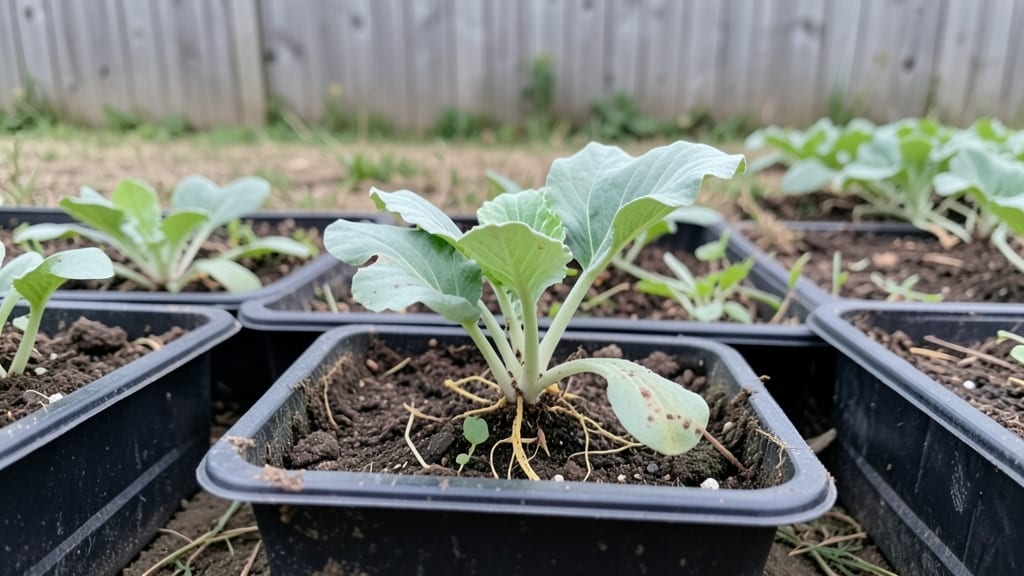
When your seedling growth stunted, it’s often a cry for better care—roots starved of soil health, water balance, or light exposure. 🌱 I’ve revived leggy, yellowing seedlings by fixing those three key issues. The fix isn’t complicated, but it requires checking the basics first.
Most stunted seedlings suffer from either too much water drowning their roots or soil too dense for growth. Others are simply stretching toward light, growing weak stems.
The good news? You can reverse all of these issues with simple adjustments—like fluffing the soil, adjusting watering, or moving plants closer to a bright window.
Within a week, you’ll see stronger stems, deeper green leaves, and roots that finally spread. The key is acting fast: the longer you wait, the harder it is to catch up. I’ll walk you through the exact steps to revive your seedlings—no guesswork, just results.
This works for tomatoes, peppers, herbs, and even finicky flowers. Whether you’re dealing with a single pot or a seedling tray, the same principles apply. Let’s get those roots growing again.
Root Causes Behind Slow Seedling Growth
Understanding why your seedlings aren’t thriving starts with identifying the hidden factors stifling their potential. 🌱 These tiny plants may appear fragile, but their struggles often stem from avoidable—or easily fixable—issues. Below, we break down the key culprits behind stunted growth, explained in clear, actionable terms.
Seedlings need loose, nutrient-rich soil to anchor roots and access water. If the soil is too dense, compacted, or lacking organic matter, roots struggle to expand, leading to weak stems and yellowing leaves.
- Why it happens:
- Lack of organic material: Soil without compost, peat moss, or aged manure lacks essential nutrients (like nitrogen, phosphorus, and potassium) and poor drainage.
- Compaction: Heavy foot traffic, machinery, or waterlogging squeezes air pockets out of the soil, suffocating roots.
- pH imbalances: Soil that’s too acidic (<5.5) or alkaline (>7.5) locks out vital nutrients, even if they’re present.
- Actionable fix:
- Amend soil with compost or coconut coir to improve aeration and fertility.
- Test pH levels and adjust with lime (to raise pH) or sulfur (to lower pH).
- Avoid walking on seedling beds—use a board or mulch to protect the soil structure.
Seedlings crave sunlight—without it, they stretch weakly (a condition called etiolation), become leggy, and fail to photosynthesize efficiently.
- Why it happens:
- Shade from taller plants: Nearby weeds, mature plants, or even dense foliage block light.
- Indoor growing setups: Artificial lights (like LEDs or fluorescents) may not provide enough blue spectrum light (critical for compact growth).
- Seasonal changes: Overcast skies or short winter days reduce natural light intensity.
- Actionable fix:
- Place seedlings in a south-facing window (for northern hemisphere) or under grow lights (12–16 hours/day).
- Use reflective surfaces (like aluminum foil) to bounce light onto shaded areas.
- Rotate seedlings weekly to ensure even growth.
When seedlings are planted too close together, they compete for resources—water, nutrients, and space—leading to stunted growth and increased disease risk.
- Why it happens:
- Thin sowing: Seeds planted too densely force roots to fight for space.
- Poor thinning: Many gardeners forget to remove weaker seedlings, leaving only the strongest to thrive.
- Shared containers: Overcrowded pots or trays restrict root development.
- Actionable fix:
- Follow spacing guidelines for each plant (e.g., 2–4 inches apart for most veggies).
- Thin seedlings at the first true leaves stage, using scissors to avoid disturbing roots.
- Transplant to larger pots or individual cells if growing indoors.
Water is a double-edged sword—too little causes wilting, while too much leads to root rot and oxygen deprivation.
- Why it happens:
- Inconsistent moisture: Soil that dries out completely or stays soggy stresses seedlings.
- Poor drainage: Containers without drainage holes or heavy clay soil trap excess water.
- Overhead watering: Wet foliage encourages fungal diseases like damping off.
- Actionable fix:
- Water at the base using a gentle spray or drip irrigation to keep soil evenly moist (not soggy).
- Use well-draining soil mixes (add perlite or vermiculite for aeration).
- Check moisture with your finger—top inch should dry slightly between waterings.
Seedlings need specific nutrients in the right proportions to grow. A deficiency in even one key element can halt development.
- Why it happens:
- Lack of nitrogen (N): Leads to pale, yellow leaves (a classic sign of stunted growth).
- Phosphorus (P) shortage: Causes weak roots and delayed flowering.
- Micronutrient gaps: Deficiencies in iron, magnesium, or zinc show as yellowing between veins or stunted stems.
- Actionable fix:
- Use a balanced fertilizer (like 10-10-10) or a seedling-specific formula (higher in nitrogen).
- For container plants, dilute liquid fertilizer weekly (half-strength) to avoid burning young roots.
- Add Epsom salt (magnesium sulfate) if leaves yellow between veins.
Tiny invaders like fungi, bacteria, or insects can silently sabotage seedlings before they even sprout properly.
- Why it happens:
- Fungal infections (e.g., Pythium or Fusarium): Cause damping off (seedlings collapse at the soil line).
- Aphids or spider mites: Suck sap, weakening stems and stalling growth.
- Bacterial soft rot: Creates mushy stems and foul odors.
- Actionable fix:
- Prevent damping off with copper fungicide or neem oil spray.
- Inspect leaves daily for pests—blast off with water or use insecticidal soap.
- Rotate crops yearly to break disease cycles in garden beds.
Seedlings are sensitive to extremes—too hot or too cold can shock their delicate systems.
- Why it happens:
- Cold soil: Slows germination and root development (ideal soil temp: 60–75°F).
- Heat stress: Wilting or brown tips occur when temps exceed 85°F without humidity.
- Drafts or sudden changes: Cold windows or AC vents can shock young plants.
- Actionable fix:
- Use heat mats for indoor starts if your home runs cool.
- Hardening off seedlings gradually (7–10 days) before transplanting outdoors.
- Provide shade cloth during heatwaves to protect tender leaves.
Pro Tip 💡: Keep a growth journal! Track watering, light, and soil conditions to pinpoint exactly when stunting starts. Often, the solution is as simple as adjusting one variable.
Revive Your Seedlings in 4 Steps
Stunted seedlings can feel like a gardening setback, but with the right care, they’ll bounce back stronger than ever. Below, we’ve mapped out practical fixes for common causes—plus prevention tips to keep your seedlings thriving. Let’s get growing!
Problem: Seedlings competing for nutrients and space lead to weak, leggy growth.
How to Fix It: ✅ Thin Them Out 🔪
- Use clean scissors or your fingers to gently remove excess seedlings, leaving only the strongest 1–2 per cell or pot.
- Pro Tip: 💡 Snip at soil level to avoid damaging roots of nearby plants.
✅ Upgrade Their Space 🏠
- Transplant into individual pots (3–4 inches deep) with fresh, well-draining soil.
- Prevention: 🌡️ Start with proper spacing—follow seed packet guidelines for depth and distance.
Problem: Roots suffocate or dry out, halting growth.
How to Fix It: ✅ Check the Soil 👀
- Stick your finger 1 inch deep—if dry, water thoroughly. If soggy, let it dry slightly before watering again.
- Fix Overwatering: 🌧️ Use pots with drainage holes and avoid saucers that trap excess water.
✅ Water Smart 💦
- Water at the base (not leaves) in the morning to prevent fungal issues.
- Prevention: 🎯 Use a moisture meter or your finger as a guide—consistency is key!
Problem: Seedlings stretch toward light (etiolation) or grow weak in shade.
How to Fix It: ✅ Move to Better Light 🌿
- Place near a south-facing window or under grow lights (12–16 hours/day).
- DIY Fix: 🔥 Rotate trays daily for even growth if using natural light.
✅ Adjust Light Type 💡
- LED grow lights (cool white or full spectrum) are energy-efficient and effective.
- Prevention: ✨ Start seeds under lights if natural light is insufficient.
Problem: Cold drafts or dry air stress seedlings.
How to Fix It: ✅ Create a Cozy Microclimate 🏡
- Cover with clear plastic domes or plastic wrap to retain humidity (remove once sprouts appear).
- Fix Drafts: 🌬️ Keep seedlings away from AC vents, doors, or windows that open at night.
✅ Optimize Temps 🌡️
- Ideal range: 65–75°F (18–24°C) during the day, slightly cooler at night.
- Prevention: 🔥 Use a heat mat for cooler climates (especially for slow-germinating seeds).
Problem: Pale leaves or stunted growth signal lack of essential nutrients.
How to Fix It: ✅ Fertilize Lightly 🌱
- Wait 2–3 weeks after germination before using a balanced, water-soluble fertilizer (5-5-5 or 10-10-10).
- Fix Deficiencies: 📊
- Yellow leaves? → Add nitrogen (fish emulsion or compost tea).
- Purple stems? → Boost phosphorus (bone meal).
✅ Boost Soil Quality 🌿
- Mix in compost or worm castings for organic nutrients.
- Prevention: ✨ Avoid over-fertilizing—more isn’t better!
Problem: Fungal infections (damping-off) or pests (aphids) attack weak seedlings.
How to Fix It: ✅ Prevent Fungus 🍄
- Sterilize tools with rubbing alcohol between uses.
- Water at the base and avoid overhead sprinkling.
✅ Treat Pests 🐜
- Spray with neem oil or insecticidal soap for aphids.
- Prevention: 🌡️ Keep humidity in check—fungus thrives in damp conditions.
- Space seeds properly from the start.
- Monitor soil moisture daily (don’t let it dry out or stay soggy).
- Use quality seed-starting mix (sterile and lightweight).
- Hardening off before transplanting: Gradually expose seedlings to outdoor conditions for 1–2 weeks.
Remember: Patience and consistency are your best tools. With these fixes, your seedlings will be strong, vibrant, and ready to thrive in no time! 🌱💪
Frequently asked questions
Why are my seedlings growing so slowly even though I water them daily?
Daily watering can actually suffocate roots if the soil doesn't drain properly. Overwatering cuts off oxygen, causing stunted growth. Instead, check soil moisture by sticking your finger 1 inch deep - water only when it feels dry. Use containers with drainage holes and a well-draining seedling mix with perlite or vermiculite.
My seedlings have long, thin stems but small leaves - what's wrong?
Those are classic signs of etiolation from insufficient light. The seedlings stretch toward any available light source, creating weak stems. Move them to a brighter location (south-facing window or under grow lights for 12-16 hours daily) and rotate trays weekly for even growth. You should see stronger stems within 3-5 days.
Can I fix stunted seedlings by just adding fertilizer?
Not always - fertilizer helps, but only after addressing the basics. First check light, water, and soil quality. If seedlings are already struggling from poor conditions, nutrients won't help much. Start with a balanced, water-soluble fertilizer (5-5-5) at half-strength after 2-3 weeks of growth, but focus first on improving growing conditions.
What's the best way to tell if my seedlings need more space?
Look for crowded roots circling the pot's bottom or seedlings touching each other. Healthy seedlings should have 1-2 inches between them. If roots are visible through drainage holes or leaves are yellowing at the base, it's time to transplant. Use clean pots with fresh soil mix and handle seedlings by their leaves, not stems, to avoid damage.
My seedlings suddenly collapsed at the soil line - what happened?
This is likely damping off, a fungal disease caused by too much moisture. The fungus attacks the stem at soil level, causing seedlings to fall over. Improve airflow by spacing plants properly, avoid overhead watering, and consider using a fungicide like neem oil or copper spray. For future starts, use sterile seed-starting mix and keep humidity in check.