Pruning
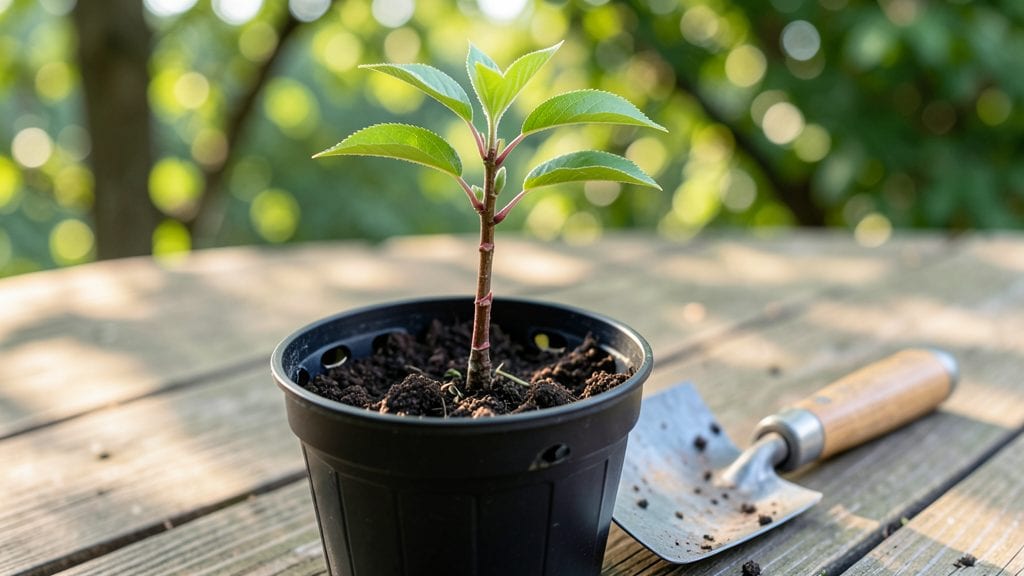
Growing a seedling cherry tree from scratch means you’ll have a tree with roots as strong as its branches—if you do it right. 🌱 I’ve watched my own cherry seedlings go from fragile saplings to sturdy young trees by focusing on the soil, sunlight, and a little patience.
The key isn’t just planting; it’s creating the perfect conditions for roots to spread deep and wide before the first blossoms even appear.
The right setup starts with well-draining soil mixed with compost, planted just deep enough so the roots sit below the soil line but the graft union (if present) stays above ground.
A sunny spot with at least 6 hours of direct light daily is non-negotiable—cherry trees crave sunlight like we crave coffee. Watering should be consistent but not soggy; think deep soaks once a week rather than daily sprinkles.
Pruning in the first year isn’t about shaping—it’s about removing weak branches to let the tree focus its energy where it counts.
By next spring, you’ll see the payoff: a tree with a strong trunk and a network of roots ready to support years of fruit. The branches will be sturdy, the leaves vibrant, and the foundation set for a lifetime of harvests.
The secret? Treating the first year like a marathon, not a sprint. Every cut, every watering, and every bit of sunlight builds toward that future.
Works for sweet cherries, sour cherries, or even dwarf varieties—just adjust spacing and pruning based on the type. Here’s how to keep it thriving through every season without common pitfalls like overwatering or aggressive pruning. Let’s get those roots growing strong.
📚 In This Guide
- What you need
- Instructions
- Tips and common mistakes
- Wrapping up and next steps
What you need
- ● Seedling cherry tree (1-2 plants, depending on space) – Choose a Prunus avium or Prunus cerasus variety suited to your climate.
- ● Well-draining potting soil or garden soil (50 lbs minimum) – Mix with compost (10 lbs) for nutrients.
- ● Organic mulch (straw, wood chips, or pine needles – 2-3 inches thick) – Helps retain moisture and regulate soil temperature.
- ● Slow-release fertilizer (10-10-10 or 5-10-10 formula, 1 lb) – Apply in early spring and fall.
- ● Watering can or hose with a gentle spray nozzle – Ensures deep, even hydration without damaging roots.
- ● Garden trowel or spade – For digging planting holes (12-18 inches deep).
- ● Pruning shears – Sterilized and sharp for trimming dead or crossing branches.
- ● Gloves (heavy-duty, long-sleeved) – Protects against thorns and soil-borne pathogens.
- ● Measuring tape – Ensures proper spacing (15-20 feet between trees).
- ○ Drip irrigation kit (optional) – Automates watering for consistent moisture.
- ● Burlap wrap or tree guard – Protects young trunks from rodent damage.
- ● Anti-desiccant spray (e.g., Wilt-Pruf) – Prevents winter drying of leaves.
- ● Thermometer – Monitors soil temp to avoid frost heave in cold climates.
Step-by-step guide to nurturing a seedling cherry tree
Strong roots make all the difference—here’s how to build a sturdy foundation for your young tree.
🌱 Step 1: Plant the Seedling at the Right Depth
Dig a hole twice as wide as the root ball but only as deep as the container it came in. This prevents burying the graft union (the swollen area near the base) too deeply, which can strangle the tree. Gently remove the seedling from its container and loosen any circling roots with your fingers.
Place the seedling in the hole so the top of the root ball sits just above ground level. Backfill with the removed soil, pressing lightly to eliminate air pockets. Water deeply to settle the soil—you’ll know it’s right when moisture reaches the bottom of the hole. Avoid compacting the soil too firmly, as young roots need air and space to grow.
☀️ Step 2: Provide Consistent Sunlight and Water
Seedling cherry trees thrive in full sun (6-8 hours daily), so choose a spot with unobstructed light. If planting in spring, give the tree a little shade during the hottest afternoon hours to reduce stress. Water immediately after planting, then keep the soil evenly moist for the first 2-3 weeks—that’s about 1 inch of water per week.
Use a rain gauge or your finger to check moisture: stick your finger 1 inch into the soil. If it feels dry, water again. Overwatering is just as harmful as underwatering—you’ll see yellowing leaves or wilting as warning signs. Mulch around the base with 2-3 inches of organic mulch (like wood chips) to retain moisture and protect roots from temperature swings.
🌿 Step 3: Prune and Monitor for Growth
In the first year, focus on removing any dead, broken, or crossing branches to encourage strong structure. Use clean, sharp pruners to make cuts just above a bud or branch collar. Avoid heavy pruning—just shape gently to avoid stressing the young tree. This is also the time to watch for pests like aphids or spider mites; a strong spray of water can often dislodge them before they cause damage.
By late summer, you’ll see new growth—this is your signal that the tree is establishing roots. Fertilize lightly with a balanced, slow-release fertilizer (like 10-10-10) in early spring and again after harvest if you’re growing fruit-bearing varieties. Avoid heavy feeding, as it can encourage weak, disease-prone growth in young trees.
⏰ Step 4: Winterize for Year-Round Strength
Before the first frost, wrap the trunk of your seedling cherry tree with tree wrap or burlap to protect it from harsh winds and temperature fluctuations. Water deeply in late fall to ensure the roots have moisture stored for winter. If your area experiences heavy snow, gently brush snow off branches to prevent breakage—too much weight can snap young, flexible limbs.
In early spring, remove the wrap and check for any winter damage, like cracked bark or broken branches. Prune out any dead wood immediately to prevent disease from spreading. This is also the time to plan for future growth—cherry trees grow best when given space, so avoid overcrowding with other plants or structures.
Tips & tricks for perfect seedling cherry tree care
These practical insights will help you nurture a thriving cherry tree from its first planting through winter protection.
Planting Depth Secret: The graft union—where the rootstock meets the scion—should sit just above soil level. If buried too deep, it can rot and kill your tree. I always mark the graft union with a pencil before planting to ensure proper placement. After backfilling, press soil gently around the roots but avoid compacting—you want air pockets for root expansion, not a solid brick.
Watering Wisdom: Those first 2-3 weeks are critical for root establishment. I use a rain gauge to track the 1 inch per week guideline, but I check soil moisture daily by sticking my finger 1 inch deep. If it feels dry at that depth, water immediately. Yellowing leaves or wilting are your tree's SOS signals—don't ignore them! Mulch with 2-3 inches of wood chips to lock in moisture while protecting roots from temperature swings.
Pruning Precision: In Step 3, when shaping your young tree, make cuts just above a bud or branch collar—never leave stubs. I use clean, sharp pruners to avoid tearing bark. For pest control, I've found that a strong spray of water in the early morning often dislodges aphids before they become a problem. Remember, less is more—avoid heavy pruning that stresses the young tree.
Winter Protection: Before the first frost, I always wrap the trunk with tree wrap or burlap to prevent sunscald. For heavy snow areas, I gently brush accumulation off branches to avoid breakage. In early spring, I inspect for winter damage and prune out any dead wood immediately—this prevents disease from spreading through the tree's system.
Pro Tips for Seedling Cherry Tree
- These practical insights will help you nurture a thriving cherry tree from its first planting through winter protection.
- Planting Depth Secret: The graft union—where the rootstock meets the scion—should sit just above soil level.
- Watering Wisdom: Those first 2-3 weeks are critical for root establishment.
Frequently asked questions
Got questions about nurturing your seedling cherry tree? You’re not alone! Whether you’re a first-time grower or a seasoned gardener, these common concerns can help you keep your young tree thriving year-round. Here’s what you need to know:
How deep should I plant my seedling cherry tree?
Plant your seedling cherry tree so the root flare (where roots meet the trunk) sits just above the soil line. Burying it too deep can suffocate roots, while planting too shallow exposes them to drying winds. Aim for 2-3 inches of soil covering the roots—this balances stability and airflow for strong root growth.
When is the best time to prune a young cherry tree?
Prune your seedling cherry tree during late winter or early spring (before buds swell), when the tree is still dormant. Avoid heavy pruning in fall, as new growth won’t harden off before winter. Focus on removing dead, crossing, or crowded branches to encourage an open canopy and reduce disease risk.
Why are my cherry tree seedlings wilting even with enough water?
Wilting in seedlings often signals root stress, not just thirst. Check for overwatering (soggy soil = suffocation), compacted soil (restricts roots), or pests like aphids draining sap. Loosen soil around roots, water deeply but less frequently, and inspect leaves for pests. Mulch lightly to retain moisture without smothering roots.
Can I grow a cherry tree from a seed instead of buying a seedling?
While possible, seed-grown cherry trees rarely produce fruit identical to the parent plant (they’re often bitter or infertile). Seedlings also take 5–10 years to bear fruit vs. 2–3 years for grafted nursery trees. For reliable results, stick with certified seedling cherries or grafted varieties from reputable nurseries.
How do I protect my seedling cherry tree from winter damage?
Young cherry trees are vulnerable to freeze-thaw cycles. Wrap the trunk with tree guard or burlap to prevent sunscald, and mulch 3–4 inches deep around the base (but not touching the trunk). Avoid heavy snow buildup on branches—gently brush it off to prevent breakage. Water deeply before the ground freezes to hydrate roots.
Still stumped? Drop your question in the comments—we’re happy to help your seedling cherry tree grow into a fruitful, long-lived star!
Wrapping up and next steps
Growing a thriving seedling cherry tree starts with strong roots—and you’ve got all the tools to make it happen! 🌱 From proper pruning techniques to seasonal care, every step ensures your tree grows healthy, resilient, and ready to bear fruit.
Remember, patience and consistency are key, so don’t rush the process.
Ready to take the next step? Start by monitoring your tree’s growth and adjusting care as needed. With time, your seedling will flourish into a beautiful, productive cherry tree that brings joy for years to come!