
Mower
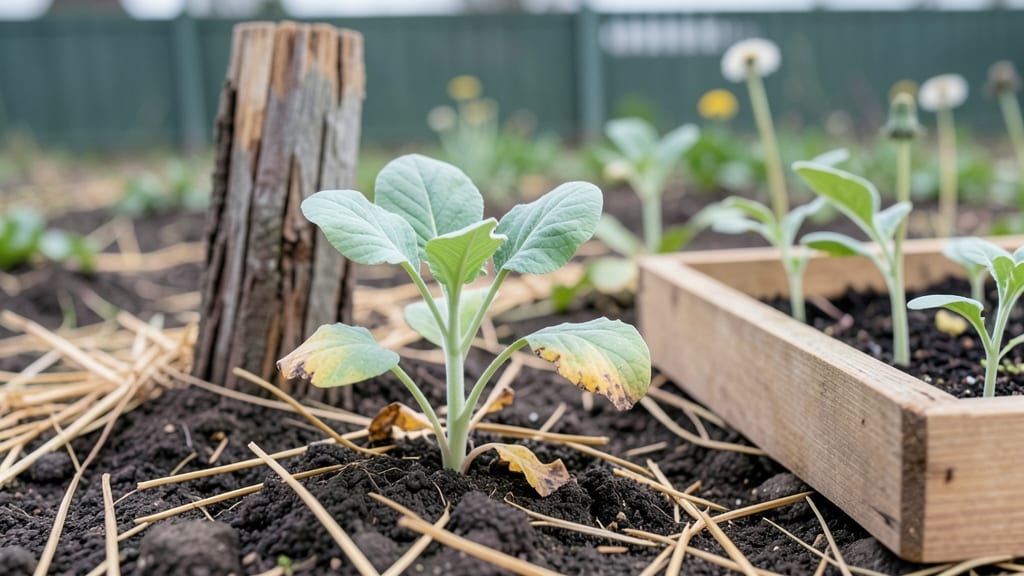
A seedling bent over like a sleepy sunflower isn’t just cute—it’s a sign to step in before it’s too late, and luckily, the cure is simple. 🌱 I’ve nursed more wobbly sprouts back to vertical than I can count, and the right approach keeps them sturdy without breaking.
The causes run from overwatering to sneaky cutworms, but the solutions are simple once you know what to watch for.
Most bent seedlings just need a little support and a tweak to their care. Staking too early can damage delicate stems, but a gentle bamboo stake or even a rolled-up newspaper tucked beside them gives them something to lean on as they grow.
Pair that with watering at the soil level (not overhead) and you’ll see them straighten in days. The key is catching it early—before the bend becomes permanent.
You’ll know you’re on the right track when new growth emerges straight and strong. Even if a seedling’s already leaning, it can recover with proper care—just give it time and consistent moisture.
The real win? These sturdy plants will outgrow their early struggles and reward you with bold, healthy foliage all season long.
Works for tomatoes, peppers, herbs, or any leggy seedlings in containers or the ground. The same principles apply whether you’re dealing with a single pot or a whole tray of wobbly friends. Let’s get them standing tall!
Understanding Root Causes
When your seedlings lean or bend over like a tired gardener after a long day, it’s usually a sign of stress from one (or more!) of these common culprits.
Let’s dig into the science behind why your little plants are toppling over—and how to fix it before they give up entirely.
Seedlings with thin, elongated stems (a condition called etiolation) lack the strength to support themselves.
This happens when: - Lack of light 🌞: Without enough sunlight, seedlings stretch toward the nearest source (usually your window or grow lights), creating weak, spindly stems that can’t hold their own weight. - Overcrowding 🌿: When seedlings compete for nutrients and space, they grow tall and thin to reach light, leaving them unstable. - Genetics 🧬: Some fast-growing varieties (like certain beans or sunflowers) naturally produce weaker stems until they mature.
Actionable fix: Provide 12–16 hours of light daily (use LED grow lights if natural light is insufficient) and thin seedlings to give them breathing room. For extra support, use soft plant ties or toothpicks to prop them up gently.
Harsh weather or sudden changes can knock seedlings off balance:
- Strong winds or drafts 🌪️: Even gentle breezes can topple young plants with shallow root systems.
- Extreme heat or cold ❄️🔥: Temperature swings weaken cell walls, making stems more prone to bending or snapping.
- Heavy watering 💦: Overwatering can loosen soil, causing roots to lose grip, while underwatering makes stems brittle.
Actionable fix:
- Shield seedlings from wind with a small mesh screen or cloche.
- Mulch soil to regulate temperature and retain moisture.
- Water at the base (not overhead) to avoid stem damage.
If roots aren’t anchoring properly, seedlings will flop like a marionette with cut strings.
Common triggers: - Compacted or rocky soil 🪨: Roots struggle to penetrate dense soil, leading to shallow growth. - Transplant shock 🌱➡️🏡: Moving seedlings too soon (before roots establish) disrupts their balance. - Nutrient deficiencies 🧪: Lack of phosphorus (critical for root growth) or calcium (strengthens cell walls) weakens structural integrity.
Actionable fix:
- Loosen soil before planting with compost or perlite to improve drainage.
- Wait until seedlings have 2–3 true leaves before transplanting.
- Fertilize with a balanced formula (e.g., 10-10-10) or add crushed eggshells for calcium.
Hidden threats can secretly sabotage your seedlings:
- Aphids or spider mites 🐜: These sap-suckers weaken stems by draining nutrients.
- Fungal infections (like damping off) 🍄: Soft, mushy stems collapse under the plant’s own weight.
- Herbivores (e.g., slugs or cutworms) 🐌: They chew stems at the base, causing sudden collapse.
Actionable fix:
- Inspect leaves daily for pests—spray with neem oil or introduce beneficial nematodes.
- Avoid overwatering (fungi thrive in soggy soil).
- Use collars (like crushed eggshells around stems) to deter cutworms.
Ironically, poor support techniques can make bending worse:
- Stakes too rigid 🪵: Plastic or metal stakes can pierce stems as plants grow.
- Ties too tight 🎀: Restricting movement stunts growth and stresses the plant.
- No support at all 🚫: Tall seedlings (like tomatoes or peppers) need early reinforcement.
Actionable fix:
- Use flexible bamboo stakes or soft plant ties (like old T-shirts).
- Stake at planting (not after bending occurs) to prevent damage.
- Tie loosely—enough to guide growth, not strangle it.
Pro Tip: 💡 Most bent seedlings recover if caught early! Gently straighten them and secure with a stake—just avoid bending the stem beyond its natural angle to prevent snapping.
Fixing Your Seedling’s Bend
A seedling bent over can feel like a heartbreaking setback, but with the right approach, you can nurse it back to strength—and even prevent future wobbles. Below, we’ll tackle the most common causes of weak, leaning seedlings and provide practical, gentle solutions to straighten them out.
Think of this as your seedling’s physical therapy plan!
If your seedlings are bent due to overcrowding or competing for light, they’re essentially reaching for the sun like sunbathing cats. Here’s how to fix it:
- 🔥 Thin the seedlings – Use clean scissors or your fingers to gently remove weaker stems, leaving only the strongest 2–3 seedlings per pot or cell.
This gives the survivors more space to grow upright. - 👨🍳 Repot if needed – If seedlings are packed too tightly, transplant the healthiest ones into smaller individual pots (2–3 inches wide) with fresh, well-draining soil.
This reduces competition and encourages straighter growth. - 🌞 Provide better light – Move seedlings to a bright, indirect light spot (a south-facing window or a grow light 6–12 inches above).
Avoid direct hot sun, which can scorch tender leaves. - 💡 Prevention tip: Start with proper spacing—follow seed packet instructions for depth and distance between seeds to avoid overcrowding from the start.
Seedlings bent by wind, drafts, or accidental bumps (like a curious pet or a breezy windowsill) need gentle support to recover. Over-correcting can snap them, so proceed with caution!
- 🍳 Use soft stakes or chopsticks – Insert toothpicks, bamboo skewers, or plastic plant stakes gently into the soil beside the seedling. Angle them slightly to support the bend without forcing it upright.
Secure with a tiny bit of tape or a soft twist tie—just enough to hold, not strangle. - 🥘 Create a DIY support cage – For delicate seedlings (like herbs or lettuce), weave toothpicks or wire mesh into a mini trellis around them.
This lets them lean naturally while preventing further damage. - ⏰ Monitor daily – Check stakes every 2–3 days to ensure they’re not digging into the stem.
If the seedling straightens on its own, remove support after a week. - 🎯 Prevention tip: Place seedlings in a low-traffic, sheltered spot (like a greenhouse or a windowsill away from AC vents). If outdoors, use a cloche or mini greenhouse to block wind.
Extreme heat, cold, or uneven light can cause seedlings to flop or stretch toward warmth or light sources. Here’s how to correct the imbalance:
- 🔥 Balance light exposure – Rotate pots quarter-turn daily so seedlings grow evenly. If using a grow light, keep it 6–12 inches away and on for 12–16 hours/day to mimic natural light. - 🌡️ Regulate temperature – Keep seedlings in a consistent 65–75°F (18–24°C) range.
Avoid cold drafts (like near doors) or hot spots (like radiators). A heat mat (for cool climates) or shade cloth (for hot climates) can help. - 💡 Prevention tip: Use black plastic pots outdoors—they absorb heat and keep roots warmer, reducing stress.
For indoor seedlings, place them on a tray with pebbles and water to add humidity without overwatering.
If your seedlings are leggy, pale, or wobbly, they might be starving for nutrients or struggling with root-bound stress. Here’s how to revive them:
- 📊 Fertilize lightly – Use a balanced, water-soluble fertilizer (like 5-5-5 or 10-10-10) diluted to half strength. Apply only after the first true leaves appear (not at germination!).
Over-fertilizing burns tender roots. - 💪 Repot into richer soil – If roots are circling the bottom of the pot, transplant into a slightly larger container with well-draining potting mix.
Add a handful of compost or worm castings for a nutrient boost. - 🥗 Water wisely – Keep soil moist but not soggy. Stick your finger in—if the top inch is dry, water gently at the base.
Avoid wetting leaves to prevent disease. - ✨ Prevention tip: Start with high-quality seedling mix (not garden soil) and avoid overwatering. Roots need air too!
Final Thought: Most bent seedlings recover with patience and gentle support. Avoid the urge to force them upright—let nature do the work while you provide the right conditions. Before you know it, your little green friends will be standing tall and proud! 🌿✨
Frequently asked questions
Why is my seedling leaning over instead of growing straight?
Seedlings often bend due to etiolation (stretching for light), wind stress, or weak stems from overcrowding. They may also lean toward heat sources or sunlight. Check for light gaps, drafts, or pests chewing stems at the base.
Can I fix a bent seedling, or is it too late?
Most bent seedlings recover if the stem isn’t snapped! Gently straighten it and secure with a soft stake or toothpick. Avoid forcing it upright—let nature guide growth. If the stem is mushy or broken, it may not recover, but healthy seedlings often bounce back in days.
What’s the best way to stake a seedling without hurting it?
Use flexible supports like bamboo stakes, rolled newspaper, or even toothpicks. Insert them gently beside the stem, not through it, and tie loosely with a soft strip of fabric or tape. Check ties weekly—they should allow slight movement. Pro tip: Stake at planting, not after bending occurs.
How can I prevent seedlings from bending in the future?
Start with proper light (12–16 hours/day), thin seedlings to avoid overcrowding, and use well-draining soil. For outdoor seedlings, add windbreaks or cloches. Rotate pots daily to encourage even growth, and fertilize lightly after true leaves appear.
Is it safe to transplant a bent seedling?
Yes, but wait until the seedling has 2–3 true leaves and strong roots. Handle gently to avoid further damage, and water thoroughly after transplanting. If the stem is weak, stake it immediately. Most seedlings adapt well if given time to adjust.