Pruning
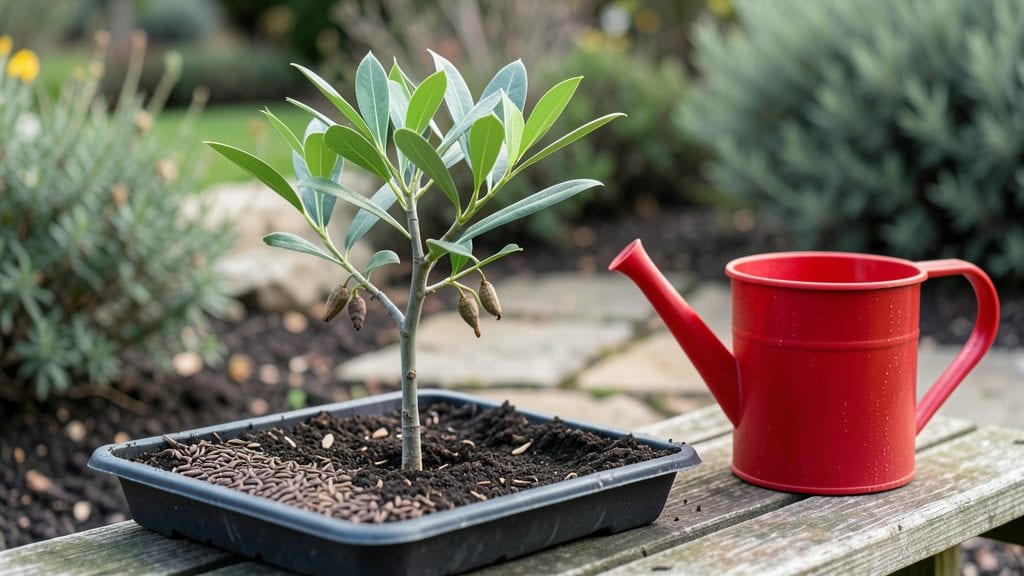
Growing a seeded eucalyptus tree from scratch requires patience, but the payoff is a striking, fragrant tree that thrives with the right pruning. 🌿 I’ve nurtured these trees from tiny seeds, and the key to their health lies in understanding when and how to shape them early—before they outgrow your control.
The first few years determine whether your eucalyptus becomes a lanky mess or a sturdy, well-formed specimen.
Eucalyptus seeds are notoriously finicky, but with the right soil mix—well-draining, sandy, and mixed with perlite—you’ll see better germination rates. Keep them in bright, indirect light at first, and avoid overwatering; these trees hate soggy roots.
Once they sprout, they’ll grow fast, but their branches can get leggy without proper pruning to encourage bushier growth.
By the time your eucalyptus reaches 3-4 feet, you’ll start shaping it for strength and aesthetics. Pinching back the tips of new growth and removing weak branches early keeps the tree compact and resilient.
The result? A healthy, structurally sound tree that won’t snap in windstorms or develop weak forks where pests love to hide.
This method isn’t just for experts—beginners can master it with the right tools and a little trial and error. The biggest challenge is seed viability, but even if some don’t sprout, the ones that do reward you with silvery-green foliage and that classic eucalyptus scent.
Let’s get your tree off to the right start!
📚 In This Guide
- What you need
- Instructions
- Tips and common mistakes
- Wrapping up and next steps
What you need
- ● Pruning shears: Sharp, bypass-style shears (for cuts under ½ inch thick). Pro tip: 💡 Sanitize blades with rubbing alcohol before and after use!
- ● Loppers: For branches ½ to 1½ inches thick (look for ergonomic handles for comfort).
- ● Pruning saw: A curved-blade saw for thick branches (2+ inches). Pro tip: ✨ Use a bypass saw to avoid tearing bark.
- ● Gloves: Heavy-duty, cut-resistant gloves (eucalyptus sap can irritate skin!).
- ● Ladder: Extendable or sturdy step ladder (if your tree is taller than 6 feet). Pro tip: 🌡️ Work on a dry, calm day—wet branches are heavier and slippery!
- ● Disinfectant: 70% isopropyl alcohol or a commercial pruning sealant (to prevent disease spread).
- ● Heavy-duty trash bags: For collecting pruned branches (2–3 bags, depending on tree size).
- ● Hand pruners: For small, precise cuts (great for shaping young seedlings).
- ● Pole saw: For high branches (if you don’t want to climb).
- ● Pruning paint: To seal large cuts (diameter > ½ inch) and protect against pests.
- ● Notebook & pen: To sketch your tree’s shape before pruning (visual planning = less stress!).
Step-by-Step pruning guide for your seeded eucalyptus tree
Here’s how to shape your eucalyptus into a strong, healthy tree—without stressing it.
✂️ Step 1: Identify the Right Time to Prune
Prune your eucalyptus in late winter or early spring, just before new growth begins. This timing ensures you’re not cutting back fresh, tender shoots that could invite pests or disease. I always check for bud swell—those plump, ready-to-burst buds signal it’s time to start shaping.
Never prune in fall or winter unless you’re removing dead or diseased branches. Eucalyptus trees are sensitive to cold stress, and pruning at the wrong time can weaken them. If you missed the spring window, wait until late summer—but avoid heavy pruning then, as it can stimulate new growth that won’t harden off before frost.
✂️ Step 2: Remove Dead, Diseased, or Crossing Branches First
Start by inspecting your tree for dead branches—they’re brittle, snap easily, and have no green leaves. Use sharp, clean pruners to make 45-degree cuts just outside the branch collar (the swollen area where the branch meets the trunk). This prevents unsightly stubs and promotes faster healing.
Next, look for crossing branches or those growing inward toward the center. These compete for sunlight and nutrients, weakening the tree. Remove the smaller of the two branches at the base, cutting back to the collar. If branches are thick—over ½ inch in diameter—use a pruning saw for clean cuts. Always disinfect your tools with rubbing alcohol between cuts to prevent spreading disease.
✂️ Step 3: Shape the Canopy for Airflow and Light
Step back and visualize your tree’s shape. Eucalyptus grows best with an open, airy canopy—this reduces humidity trapped in the foliage, which can lead to fungal issues. Start by thinning out overcrowded areas, focusing on the outer third of the tree. Remove branches that grow too close together, cutting them back to a healthy lateral branch or the collar.
For a more formal look, you can lightly prune to encourage a rounded or vase shape. Avoid cutting back more than ¼ of the tree’s foliage in one session—this prevents shock. If your tree is young (under 5 years old), keep pruning minimal. Mature trees can handle more aggressive shaping, but always remove no more than ⅓ of the canopy at a time.
💧 Step 4: Clean Up and Monitor for Recovery
After pruning, remove all clippings and debris from the base of the tree. Leaving them behind can harbor pests or disease. I like to rake up the smaller branches and dispose of them in a sealed bag—eucalyptus leaves contain oils that can be flammable if left in mulch piles.
Water your tree deeply after pruning to help it recover. Focus on the root zone, giving it enough water to soak 12 inches down. Watch for new growth in 4-6 weeks—this is your sign that the tree is healing well. If you see yellowing leaves or wilting, it might be stressed. In that case, reduce watering slightly and avoid pruning again for at least 6 months.
⏰ Step 5: Establish a Pruning Schedule for Long-Term Health
Once you’ve shaped your eucalyptus, maintain its health with light annual pruning in late winter. Focus on removing suckers (shoots growing from the base or trunk) and thinning out new growth to keep the canopy open. Avoid heavy pruning every year—this stresses the tree and can lead to weak, leggy growth.
Every 3-5 years, give your tree a moderate pruning to remove older branches and encourage new, vigorous growth. Always step back and assess the tree’s structure—healthy eucalyptus should have a strong central leader (main trunk) with well-spaced branches. If you notice dieback (dead branches at the tips), prune back to the last healthy growth to stimulate new shoots.
Tips & tricks for pruning your seeded eucalyptus tree
Here’s what I’ve learned from years of shaping eucalyptus trees—these tricks keep yours thriving without stress.
Timing is Everything: In Step 1, those plump buds are your green light to prune. If you’re unsure about timing, look for buds that feel firm to the touch—like overripe grapes. Late winter/early spring is critical because eucalyptus trees are most resilient then. I’ve seen trees recover beautifully when pruned at the right time, but struggle when pruned at the wrong season. Don’t rush—wait for those buds to swell noticeably before starting.
Tool Prep Prevents Problems: Before you make any cuts in Step 2, take 5 minutes to sharpen your pruners and disinfect them with rubbing alcohol. Dull tools crush branches instead of making clean cuts, which invites disease. For branches over ½ inch thick, I use a pruning saw—it gives you better control and cleaner cuts. Pro tip: Wipe down your tools with a damp cloth between cuts to prevent spreading any potential pathogens from diseased branches.
Canopy Care Creates Airflow: When shaping in Step 3, focus on the outer third of the tree first. This opens up the center for better airflow, which is crucial for preventing fungal issues. I always step back every few cuts to visualize the shape—imagine sunlight filtering through evenly. For young trees under 5 years old, be extra gentle: remove no more than ¼ of the foliage to avoid shocking the tree. Think of it like a haircut—you want to shape, not strip.
Recovery Requires Patience: After pruning, resist the urge to fertilize immediately. The tree needs time to recover, and fresh fertilizer can stress it further. In Step 4, that deep watering (12 inches down) is your best friend—it helps the roots re-establish themselves. Watch for new growth in 4-6 weeks as your sign of success. If you see yellowing leaves after pruning, it’s a sign to back off—reduce watering slightly and give the tree a full 6 months before pruning again.
Pro Tips for Seeded Eucalyptus Tree
- Here’s what I’ve learned from years of shaping eucalyptus trees—these tricks keep yours thriving without stress.
- Timing is Everything: In Step 1, those plump buds are your green light to prune.
- Tool Prep Prevents Problems: Before you make any cuts in Step 2, take 5 minutes to sharpen your pruners and disinfect them with rubbing alcohol.
Frequently asked questions
Got questions about growing and pruning seeded eucalyptus trees? You’re not alone! Here are answers to the most common concerns—from timing to troubleshooting—so you can keep your tree thriving.
How long does it take for a seeded eucalyptus tree to grow from scratch?
A seeded eucalyptus tree typically takes 3–5 years to reach maturity, depending on the species and growing conditions. Fast-growing varieties like Eucalyptus globulus may show significant height (10–20 ft) in 3–4 years, while slower species take longer. Patience is key—consistent watering and pruning in the early stages accelerate growth!
When is the best time to prune a young seeded eucalyptus tree?
Prune your seeded eucalyptus in late winter or early spring (just before new growth begins). Avoid heavy pruning in summer or fall, as it stresses the tree. Light shaping can be done year-round, but major cuts should wait for dormancy. Pro tip: Use sterilized tools to prevent disease!
Can I prune a seeded eucalyptus tree too much? What are the signs?
Over-pruning weakens the tree and can lead to stunted growth, dead branches, or susceptibility to pests. Signs include yellowing leaves, slow recovery after cuts, or excessive sap oozing. Limit pruning to no more than 25% of the canopy per year for young trees. Always remove only dead, diseased, or crossing branches first.
Are there alternatives to growing from seed? What’s faster?
Yes! For faster results, consider grafted eucalyptus trees (available at nurseries) or air-layered cuttings from mature trees. These methods skip the slow seedling stage and produce a tree with predictable traits (e.g., specific shape or fragrance). However, seeded trees offer unique genetic diversity and are often hardier long-term.
Why are my eucalyptus leaves turning yellow or dropping after pruning?
Yellowing or leaf drop can stem from stress, fungal infections, or improper cuts. Ensure you’re pruning at the right angle (just outside the branch collar) and avoiding jagged cuts. If leaves curl or blacken, treat with neem oil or a copper fungicide. Pro tip: Water deeply after pruning to reduce shock!
Do seeded eucalyptus trees need full sun? What if I live in a hot climate?
Most eucalyptus species thrive in full sun (6+ hours daily), but in scorching climates, morning sun + afternoon shade prevents leaf scorch. Mulch the base to retain moisture, and water deeply 2–3 times per week during droughts. Dwarf varieties (like Eucalyptus pauciflora) tolerate partial shade better.
Wrapping up and next steps
Growing a seeded eucalyptus tree is a rewarding journey, and with the right pruning techniques, you’ll nurture a thriving, picturesque specimen that enhances your landscape. Remember, consistency is key—regular trims promote airflow, prevent disease, and encourage lush foliage while shaping your tree into a stunning focal point. 🌿
Ready to take the next step? Start small—pick a sunny weekend to assess your tree’s needs, gather your tools, and begin pruning with confidence. Before you know it, your eucalyptus will stand tall, healthy, and full of life!