
Lawn
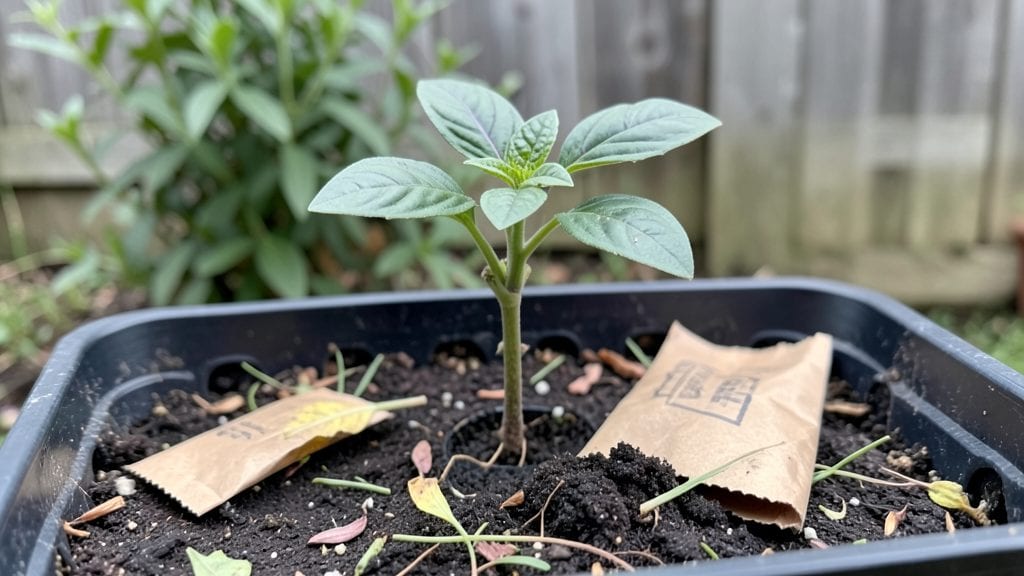
Seed planting definition refers to the process of placing seeds into soil or growing medium to initiate plant growth, ensuring proper depth, spacing, and environmental conditions for germination and development. It’s the foundational step in cultivating plants from seed rather than transplants.
Seed planting is where the magic of gardening truly begins—it’s all about creating the perfect conditions for tiny seeds to sprout into healthy plants. 🌱 The key lies in understanding how seeds absorb moisture, need warmth, and require just the right amount of light to break dormancy.
For example, delicate seedlings like lettuce prefer cooler temperatures and gentle sunlight, while hearty veggies like tomatoes thrive with consistent warmth and deeper soil placement. I always recommend testing soil moisture before planting, as overwatering can suffocate seeds just as much as underwatering can dry them out.
Beyond the basics, successful seed planting depends on the right tools and timing. Using a dibber for precise seed placement or starting seeds indoors under grow lights can give your garden a head start, especially in cooler climates.
The spacing between seeds matters too—crowded plants compete for nutrients, while over-spaced seeds waste growing space. For instance, marigolds need about 6 inches apart, while carrots can handle 2-3 inches of elbow room. Mastering these details turns seed planting from a guess into a science.
💡 In This Article
- How Seed Planting Triggers Germination in Plants
- Essential Techniques for Successful Seed Planting
How seed planting triggers germination in plants
The moment a seed meets moisture, a biochemical cascade begins that transforms it from dormant state to active growth. Water triggers enzymes that break down stored nutrients in the seed's endosperm, providing energy for the embryonic root (radicle) to emerge.
This process requires precise hydration—too little water and the seed remains inactive, while excessive moisture can suffocate it by blocking oxygen. For most seeds, the soil moisture should feel like a wrung-out sponge, maintaining consistent dampness without becoming soggy.
Temperature acts as the second critical factor, with each plant species having an optimal range. Cool-season crops like spinach germinate best at 55-65°F, while warm-season favorites such as peppers need 75-85°F to break dormancy. The seed's internal thermometer is its own metabolism—enzymes activate only within these temperature windows.
For example, tomato seeds planted in 50°F soil may rot before sprouting, whereas the same seeds in 80°F soil will germinate within 7-14 days. This is why gardeners often use heat mats for early indoor starts.
Oxygen plays an equally vital role, as seeds require aerobic conditions to respire and convert stored energy into growth. Compacted soil or heavy clay can create anaerobic pockets where seeds suffocate. Loose, well-aerated soil with 20-30% porosity (the space between particles) allows both water and oxygen to reach the seed.
For instance, sandy loam—with its mix of sand, silt, and organic matter—provides ideal aeration, while pure clay (which holds 10% air space) can stunt germination.
Light requirements vary dramatically between species. Photoblastic seeds like lettuce need light to germinate, while others like beans are skotoblastic and prefer darkness. The seed's outer coat often contains pigments that respond to light wavelengths.
For example, phytochrome proteins in the seed detect red and far-red light, triggering germination in light-dependent species. This is why some gardeners cover newly planted lettuce seeds with a thin layer of soil (1/8 inch) to prevent premature exposure to light.
Seed coatings and soil composition further influence success rates. Polymer-coated seeds (like those for corn or sunflowers) control moisture absorption and nutrient release, while organic mulches regulate temperature fluctuations. The soil's pH also matters—most vegetables prefer 6.0-7.0, but blueberries demand 4.5-5.5 to unlock their germination potential.
Even the microbial life in soil plays a role: beneficial bacteria like Pseudomonas species can stimulate root growth by breaking down complex organic matter into accessible nutrients.
What most gardeners overlook is how seed size correlates with planting depth. A general rule is to plant seeds 2-3 times their diameter deep—so a 1/4-inch tomato seed goes 1/2-inch deep, while a 1-inch bean seed needs 2 inches of soil cover.
This depth ensures protection from drying winds and predators while allowing the emerging shoot to reach light without excessive energy expenditure. 🌱