
Lawn
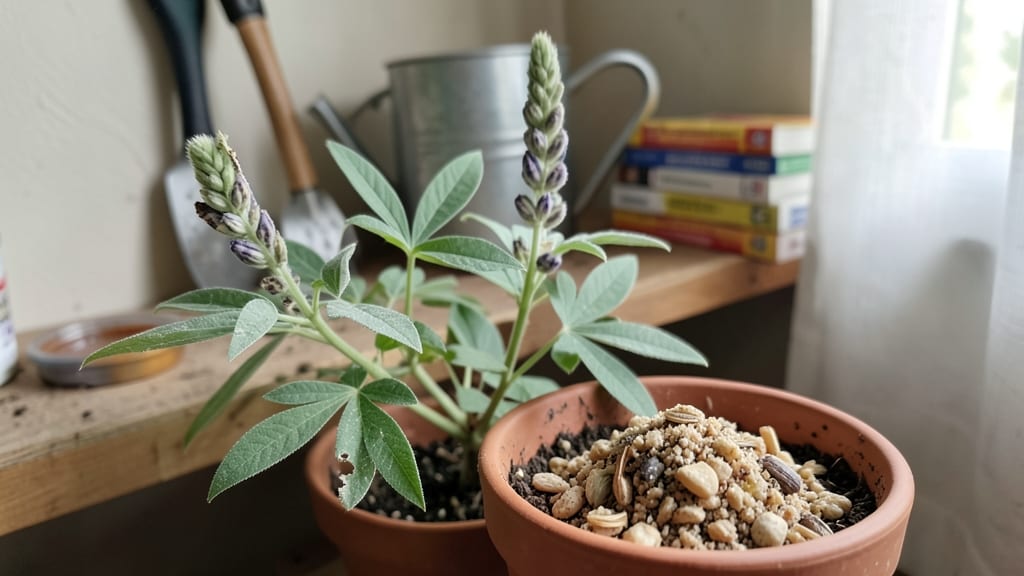
Seed coating definition describes the specialized protective layer applied to seeds to boost germination rates, fight off pathogens, and make handling easier. These coatings often incorporate fertilizers, fungicides, or binding polymers to improve seed viability and storage.
Seed coatings act like a shield for seeds, protecting them from environmental stress and physical damage during planting and early growth. 🌱 The outer layer regulates moisture retention—critical for preventing seeds from drying out or rotting—while the inner components deliver essential nutrients directly to the seedling's roots.
This dual protection system explains why coated seeds often outperform untreated ones in challenging conditions, like drought-prone soils or high-disease areas.
What sets coated seeds apart is their precision engineering: each layer serves a specific purpose, from clay-based coatings that improve seed flow in mechanical planters to biological agents that suppress soil-borne diseases.
For home gardeners, these coatings mean fewer lost seeds and stronger starts, though they do come at a higher upfront cost compared to traditional seeds.
💡 In This Article
- How Seed Coating Works to Enhance Germination
- Choosing the Right Seed Coating for Your Plants
How seed coating works to enhance germination
The science behind seed coatings lies in their multi-layered design, where each component plays a specific role in protecting and nourishing the seed.
At the core, polymers like polyacrylates or starch-based films create a moisture barrier that maintains optimal hydration levels—typically between 30-50% relative humidity—to prevent premature drying or waterlogging.
This is critical because seeds need consistent moisture to activate enzymes that trigger germination, yet too much water can drown them or promote fungal growth. The polymer layer acts like a smart sponge, absorbing and releasing water as needed, much like how hydrogel beads regulate soil moisture in hydroponics.
Fungicides and bactericides—often derived from compounds like thiabendazole or metalaxyl—form another critical layer that targets pathogens lurking in the soil. These chemicals disrupt the cell walls of fungi and bacteria, preventing them from colonizing the seed surface.
For example, a 0.5-1% concentration of fungicide in the coating can reduce damping-off disease (a common seedling killer) by up to 80%. The coating also includes clay or mineral particles, which physically block spores from reaching the seed while adding weight for better mechanical planting precision.
Nutrients, such as slow-release fertilizers like urea or monoammonium phosphate, are embedded within the coating to provide an immediate energy boost. These fertilizers dissolve as the seed germinates, delivering nitrogen, phosphorus, and potassium directly to the emerging root system.
Studies show that coated seeds with integrated nutrients can increase early root growth by 20-30% compared to untreated seeds, giving seedlings a competitive edge in nutrient-poor soils. The coating’s design ensures these nutrients are released gradually, avoiding the "burn" that can occur with concentrated fertilizers.
Biological agents, like Trichoderma fungi or Bacillus subtilis, are increasingly incorporated into coatings to outcompete harmful microbes. These beneficial microbes form a protective biofilm around the seed, suppressing pathogens through a process called antibiotic production.
For instance, Trichoderma harzianum strains can reduce soil-borne diseases by 50-70% while simultaneously stimulating root growth through hormone-like compounds. This biological approach is gaining traction in organic farming, where chemical fungicides are restricted.
The coating’s physical structure also matters—pelleted seeds (like those used in turfgrass) are larger and easier to handle, reducing seed waste during planting. Meanwhile, film-coated seeds (common in vegetable seeds) adhere tightly to the seed surface, ensuring uniform coverage.
The choice of coating thickness and composition depends on the crop: corn seeds might need a thicker, more abrasion-resistant coating for mechanical planters, while flower seeds benefit from thinner, more flexible films that don’t interfere with delicate root emergence.
What most gardeners don’t realize is that seed coatings also improve seed-to-soil contact, a critical factor for germination. The coating’s texture—often slightly rough or porous—helps the seed settle into the soil more predictably, reducing the risk of seeds bouncing out of furrows during planting.
This precision is why coated seeds are a game-changer in high-density sowing, like vegetable transplants or lawn seeding, where every seed counts. 🌱