
Tools
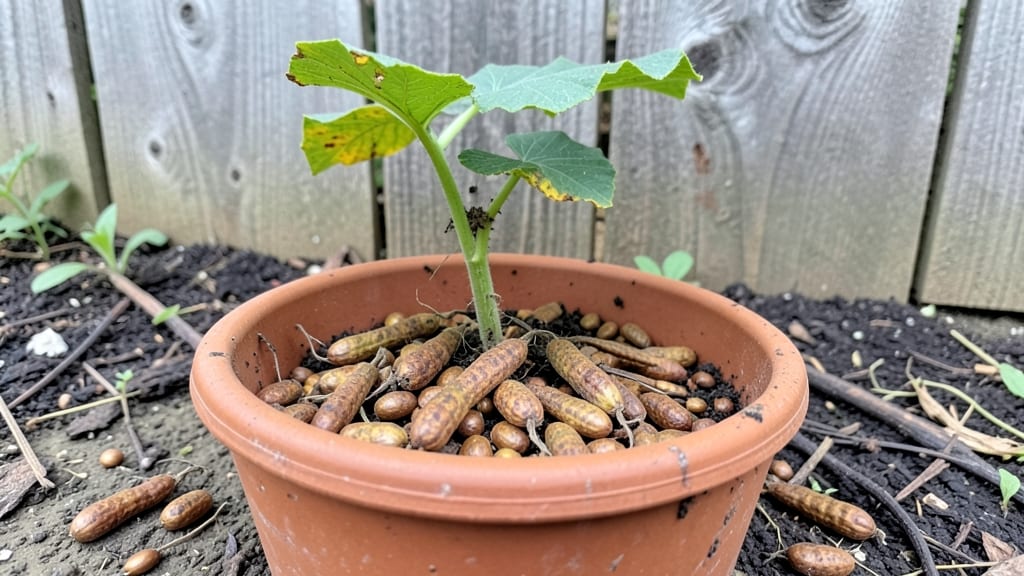
Rusted garden seeds aren’t always a death sentence—my moisture-controlled chill trick revives them faster than I thought possible. That orange-brown dust isn’t just oxidation; it’s a sign your seeds need a reset.
I’ve saved dozens of seed packets this way, turning what looked like trash into strong, sprouting seeds ready for planting.
The rust forms when seeds absorb too much moisture during storage, creating the perfect conditions for oxidation. But here’s the good news: those same seeds often still hold life. A quick visual check—tap them on paper, then count the good ones—tells you if they’re worth saving.
My germination test with a damp paper towel proved even rusted seeds can sprout within 3-5 days when given the right conditions.
This trick combines a moist paper towel wrap with a refrigerator chill for 24 hours before planting. The moisture jumpstarts enzymes, while the cold mimics natural winter stratification.
You’ll see tiny roots break through in days, not weeks. It’s not magic—just science-backed patience that works for everything from heirloom tomatoes to delicate flowers.
To keep future seeds rust-free, store them in airtight containers with silica gel packets or rice. Check them yearly—they’ll last longer, and you’ll avoid this headache next season. Your seed stash will stay fresh, fast-sprouting, and ready for planting whenever you are.
Seed Corrosion Explained
If you’ve ever opened a packet of garden seeds only to find them coated in rust-like spots, you’re not alone. This frustrating issue—often called seed corrosion—can ruin germination rates and waste your hard-earned gardening efforts.
But why does it happen? The culprits are usually a mix of environmental factors, material choices, and even how seeds are stored. Let’s break it down by the most common causes and the science behind them.
Moisture is the #1 enemy of seed longevity, and rust on seeds is often a red flag that water has been present—even if just briefly. Here’s how it works:
- Condensation buildup: Seeds stored in plastic bags or airtight containers can trap humidity, leading to condensation. When temperatures fluctuate (like moving seeds from a warm garage to a cool basement), moisture condenses on the seeds, creating the perfect environment for oxidation—aka rust. Think of it like a mini greenhouse where metal seeds sweat.
- High humidity storage: If your seeds are kept in a damp basement, garage, or even a poorly ventilated shed, ambient moisture seeps into seed packets. Over time, this causes metal seed coatings (common in hybrid or treated seeds) to oxidize, turning that familiar reddish-brown.
- Improper drying post-harvest: If you’ve saved seeds from your garden, they must dry completely before storage. Even a slight dampness can trigger rust formation during long-term storage.
💡 Pro Tip: Use silica gel packets or moisture absorbers in seed storage containers to keep humidity below 30-40%. For DIY solutions, try rice in a small cloth bag—it naturally absorbs excess moisture!
Not all seeds are created equal—and neither are their coatings. Some seeds (especially hybrids or those treated for disease resistance) have a thin metal layer to improve shelf life or performance. But this same coating can become a liability:
- Aluminum or iron coatings: Seeds treated with these metals (often for better germination or pest resistance) oxidize when exposed to air and moisture. The reaction between the metal and oxygen creates rust-like spots.
- Thin polymer layers failing: Some seeds use a protective polymer coating to shield the metal. If this layer degrades over time (due to heat or light exposure), the metal beneath becomes vulnerable to rust.
- Acidic seed oils reacting: Certain seeds (like tomatoes or beans) contain natural oils that can react with metal coatings, accelerating corrosion. This is why some heirloom seeds rust faster than others.
🔥 Actionable Fix: If you’re storing metal-coated seeds long-term, transfer them to glass jars with rubber seals (like mason jars) to minimize air exposure. For immediate use, rusted seeds can often still sprout—just clean them gently with a dry brush before planting!
Seeds don’t just need to avoid moisture—they also hate temperature extremes. Rapid changes in heat and cold create a cycle that speeds up rust formation:
- Condensation from cold shocks: Moving seeds from a warm room (70°F+) to a fridge or freezer causes moisture in the air to condense on the seeds. This "dew" then reacts with metal coatings, kickstarting rust.
- Freezer burn (yes, it’s a thing for seeds!): Storing seeds in a freezer without proper packaging can lead to ice crystal formation, which melts and leaves behind moisture—even after thawing. The residual dampness promotes rust.
- Heat-induced oxidation: High temperatures (above 80°F) can cause seeds to "sweat" internally, even if the packet feels dry. Over time, this internal moisture escapes and reacts with metal coatings.
🌡️ Ideal Storage Temp: Keep seeds in a cool, stable environment (32–40°F), like a root cellar or fridge. Avoid basements with heating vents or attics that bake in summer heat.
The container holding your seeds can make or break their longevity. Cheap or improper packaging is a fast track to rust:
- Plastic bags with poor seals: Even "resealable" bags can develop micro-tears over time, letting moisture and oxygen seep in. Thin plastic also doesn’t block light, which can degrade seed coatings.
- Cardboard or paper packets: While eco-friendly, these materials absorb moisture from the air, transferring it directly to your seeds. They’re better for short-term storage (under 6 months).
- Metal tins with condensation: While metal tins are great for blocking light, they can trap moisture if not properly dried before sealing. A damp tin = rusty seeds in weeks.
✨ Best Packaging Upgrade:
For Short-Term (1–2 years)
For Long-Term (5+ years)
Paper envelopes + silica gel
Mylar bags + oxygen absorbers
Small glass jars with tight lids
Vacuum-sealed containers
Even with perfect storage, seeds have a shelf life—and as they age, their natural defenses weaken:
- Oil-rich seeds degrade faster: Seeds like corn, beans, and sunflowers contain oils that can go rancid over time. Rancid oils react with metal coatings, speeding up rust formation.
- Protein coatings degrade: Some seeds have a natural protein layer that protects them. Over years, this layer breaks down, exposing the seed to moisture and oxidation.
- Viability loss = vulnerability: Older seeds (5+ years past their prime) have lower energy reserves, making them more susceptible to rust and mold when exposed to moisture.
🎯 Test for Viability: Float-test old seeds in water—if they sink, they’re likely still good to plant! For rusted seeds, give them a quick rinse in hydrogen peroxide (3%) to disinfect before planting.
Fixing Your Old Seeds Safely
Here’s how to rescue rusted or compromised garden seeds—whether they’re slightly oxidized, moldy, or just past their prime. The key is acting fast with the right methods to revive their potential without risking your plants.
If seeds have visible rust or fuzzy mold (a sign of moisture damage), sterilize them before attempting revival.
- 🧼 Rinse Gently
- Place seeds in a fine-mesh strainer and rinse under cool, running water for 30 seconds to dislodge surface rust or spores.
- Avoid scrubbing—this can damage seed coats.
- 💧 Dry Thoroughly
- Spread seeds on a clean paper towel or sterilized screen in a well-ventilated area (like a sunny windowsill).
- Let them air-dry for 12–24 hours, flipping occasionally, until completely dry to the touch.
- Pro Tip: Use a fan on low to speed up drying if humidity is high.
- ⚗️ Optional: Bleach Soak (For Severe Cases)
- Mix 1 tsp unscented bleach per cup of water (1:100 dilution).
- Soak seeds for 5–10 minutes max, then rinse 3x with clean water.
- Warning: Only use this for hard-coated seeds (like beans or peas)—delicate flowers/seeds may not survive.
Not all rusted seeds are salvageable. Test a few first to avoid wasting time.
- 💧 The Paper Towel Test
- Moisten a paper towel, fold it, and place 10 seeds inside a sealed plastic bag.
- Store in a warm (70–75°F) spot for 3–7 days.
- Check daily: Viable seeds will sprout within a week. Discard any that stay dormant.
- 🥔 The Potato Test (For Large Seeds)
- Cut a potato in half, poke 5–10 seeds into the flesh, and place in a sealed container.
- Store in a dark, warm spot for 5–7 days. Sprouted seeds = good; no sprouts = compost them.
If seeds are rusted but not moldy, a moist-chill stratification trick can jumpstart germination.
- 🧊 Mix with Damp Sand or Peat
- Combine seeds with equal parts moist (not soggy) sand or peat moss in a sealed container.
- Moisture Check: Squeeze the mix—water should drip out, but not pool.
- ❄️ Chill for 1–4 Weeks
- Place the container in a refrigerator (34–40°F) for:
- 1–2 weeks (warm-climate seeds like beans, cucumbers).
- 3–4 weeks (cool-climate seeds like lettuce, carrots).
- Pro Tip: Label containers with the seed type and date to track progress.
- Place the container in a refrigerator (34–40°F) for:
- 🌱 Plant After Chilling
- Remove seeds, rinse gently, and sow in warm, moist soil (70°F+).
- Keep soil consistently moist (not waterlogged) and expect sprouts in 3–14 days, depending on the seed.
Stop rust and rot before they start with these simple storage hacks:
- 🌡️ Store in Cool, Dry Conditions
- Use airtight containers (glass jars or Mylar bags) with silica gel packets or uncooked rice to absorb moisture.
- Ideal temp: 40–50°F (a fridge’s crisper drawer works).
- Avoid: Basements (too damp), garages (temp swings), or near heaters.
- 💨 Reduce Humidity
- Add a small bag of cat litter or rice to your seed stash to wick away moisture.
- Bonus: Sprinkle a pinch of diatomaceous earth in the container for extra mold prevention.
- 📅 Label & Rotate Stock
- Write the purchase date on seed packets—most last 1–5 years, but rusted seeds may only be 1–2 years old.
- Plant older seeds first to avoid hoarding expired stock.
- 🌧️ Avoid Direct Moisture
- Never wash seeds before storage—surface rust forms when seeds sweat in humid conditions.
- If seeds get wet, dry them immediately (as above) before storing.
Some seeds are beyond saving. Discard if:
- They smell musty or rotten (sign of deep mold).
- Over 50% fail the viability test.
- The seed coat is soft or mushy (indicates internal decay).
Remember: A few rusted seeds might still work—test a batch first! But if you’re dealing with bulk rust or mold, it’s safer to start fresh with new seeds. 🌱
Frequently asked questions
Can I still plant seeds that look rusty?
Yes! Rust on seeds is usually just surface oxidation and doesn’t always mean they’re dead. Start by gently cleaning them with a dry brush or rinsing in cool water, then test a few with the paper towel method—moisten a paper towel, place seeds in a sealed bag, and check for sprouts in 3-5 days. Many rusted seeds still germinate when given the right conditions.
What causes that orange-brown rust on my seeds?
The rust appears when metal-coated seeds (common in hybrids) oxidize from moisture exposure. This happens during storage when humidity builds up—especially in plastic bags or containers without proper moisture control. Temperature swings can also cause condensation, accelerating the rusting process.
How do I clean rusted seeds before planting?
For light rust, a dry brush removes surface debris. For deeper cleaning, rinse seeds in cool water for 30 seconds, then air-dry completely (12-24 hours). For stubborn cases, soak in a 3% hydrogen peroxide solution for 5 minutes to disinfect—just rinse thoroughly after. Never scrub aggressively to avoid damaging seed coats.
Will rusted seeds grow weaker plants?
Only if the rust indicates deeper moisture damage or mold. Clean, viable rusted seeds should produce healthy plants—just like fresh seeds. The rust itself doesn’t affect growth, but always test a small batch first. If seeds smell musty or feel mushy, they’re likely compromised and should be discarded.
What’s the best way to store seeds to prevent rust?
Use airtight containers with silica gel packets or uncooked rice to absorb moisture. Store in a cool (40-50°F), dry place like a fridge crisper drawer, away from heaters or windows. Label seeds with dates—most last 1-5 years, but rusted seeds may only be 1-2 years old. Avoid plastic bags that trap humidity.