
Trees
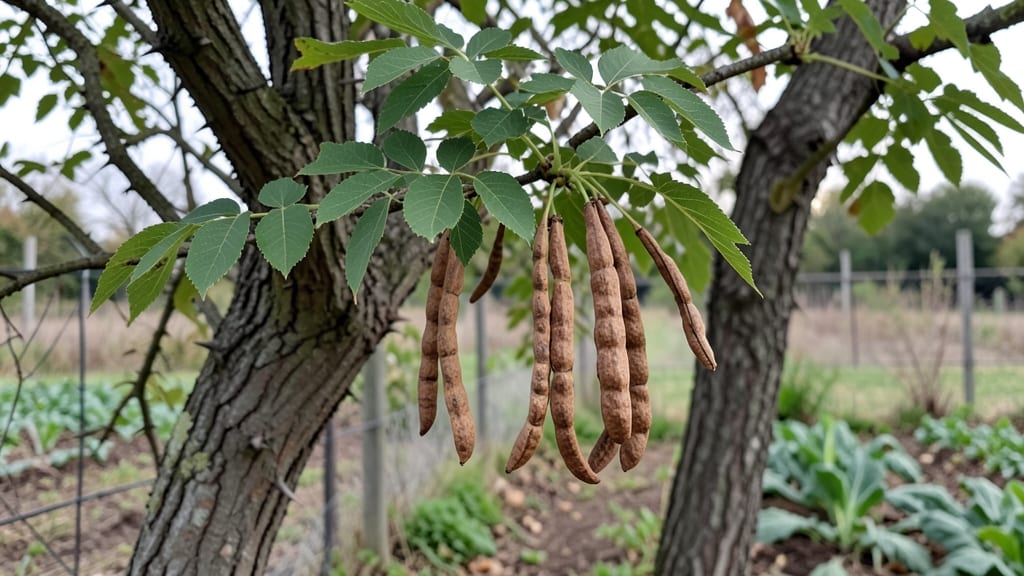
Those round tree seed pods hold the key to fragrant spring blooms that transform any yard into a fragrant sanctuary. 🌿 After years of experimenting with seed germination, I discovered the layered chill method—a simple technique that mimics nature's way of breaking seed dormancy.
The first time we saw seedlings emerge from catalpa or honey locust pods using this method felt like witnessing a small miracle in the soil.
This approach works for species like sweetgum, catalpa, or honey locust, where traditional methods often fail. You'll need a few basic supplies: a plastic bag, damp paper towels, and a sealed container to create the right moisture and temperature conditions.
The process takes about 8-12 weeks, but the results—vigorous young trees with fragrant spring blossoms—are well worth the patience.
What you'll achieve is a head start on growing these trees from seed, saving money and ensuring plants perfectly suited to your climate. Those delicate spring blooms will fill your garden with a sweet, intoxicating scent that attracts pollinators and creates a peaceful atmosphere.
The method also works beautifully for container-grown trees, making it perfect for urban gardeners.
Whether you're restoring a native landscape or simply adding fragrance to your backyard, this technique unlocks the potential of those often-overlooked seed pods. The layered chill method transforms what might seem like a challenging project into a straightforward, rewarding process that even novice gardeners can master.
Nature’s Oddities Behind Rounded Seed Pods
Round seed pods aren’t just a quirky botanical detail—they’re the result of fascinating evolutionary and environmental forces at play. Understanding why these pods form in such shapes helps gardeners and tree enthusiasts predict growth patterns, troubleshoot issues, and even encourage healthier blooms.
Let’s break down the science behind their rounded forms, from genetic blueprints to environmental pressures.
At the core, seed pod shape is hardwired into a tree’s DNA. Many species, like the Gleditsia triacanthos (honey locust) or Cercis canadensis (eastern redbud), develop rounded pods because their ancestors evolved to optimize seed dispersal. Here’s how genetics play a role:
- Seed Protection: Rounded pods often act as natural armor, shielding seeds from predators (like rodents or insects) and harsh weather. Thick, leathery walls or fibrous textures are common in species where seeds need extra defense.
- Efficient Dispersal: Some rounded pods, like those of the Mimosa pudica (sensitive plant), split open explosively when dry, launching seeds outward. The round shape helps distribute internal pressure evenly, ensuring seeds travel farther.
- Hybridization Effects: Crossbreeding between tree varieties can lead to pod shape variations. For example, grafting a round-podded species onto a different rootstock might produce pods that are slightly more globular than their wild counterparts.
Actionable Tip: If you’re growing a tree with rounded pods and notice deformities (e.g., lopsided or shrunken pods), it could signal genetic stress. Test soil pH and nutrient levels—trees under stress may revert to "default" shapes dictated by their genetics.
Not all rounded pods are a sign of healthy development. Environmental factors can distort pod formation, leading to unusual shapes. Here’s how climate and conditions interfere:
| Factor | Effect on Pod Shape | How to Mitigate |
|---|---|---|
| 🌞 Extreme Heat | Pods may swell unevenly, becoming puffy or misshapen due to rapid cell expansion. High temperatures can also cause premature drying, leading to hardened, rounded pods that fail to open. | Provide afternoon shade for young trees and mulch heavily to retain moisture. |
| 💧 Water Stress | Inconsistent watering can cause pods to develop thick, rounded edges as a water-conservation tactic. Overwatering, meanwhile, may lead to soft, bloated pods prone to disease. | Water deeply 2–3 times per week during pod development and avoid soggy soil. |
| 🌬️ Wind Exposure | Constant wind can flatten or round pods as they grow, mimicking the shape of a sail to catch air currents for dispersal. In extreme cases, pods may become twisted or elongated. | Plant windbreaks (like shrubs or fences) around young trees to protect developing pods. |
| ❄️ Late-Freeze Damage | Frost can kill emerging flower buds, causing the tree to redirect energy into forming smaller, rounder pods as a compensatory mechanism. This often results in fewer but more robust pods. | Use frost cloths in early spring and choose cold-hardy species for your climate zone. |
Pro Tip: If your tree’s pods are consistently rounder than usual, take note of the season’s weather patterns. Documenting these changes can help you adjust care routines for future blooms. 📝
Sometimes, rounded seed pods are a red flag—literally. Certain pests and pathogens manipulate pod development to their advantage. Here’s how:
- Pod-Galling Mites and Wasps: These tiny insects lay eggs inside developing pods, triggering abnormal growth. The tree’s immune response creates rounded, swollen "galls" around the larvae. Common in species like Robinia pseudoacacia (black locust).
- Fungal Infections (e.g., Anthracnose): Fungi like Apiognomonia veneta can cause pods to darken, thicken, and become spherical as the tree attempts to isolate the infection. Infected pods often drop prematurely.
- Bacterial Blights: Bacteria such as Xanthomonas species can distort pod shapes by clogging vascular tissues, leading to stunted, rounded growth. These pods may ooze sap or develop lesions.
What to Do:
- 🔍 Inspect pods for holes, webbing, or unusual discoloration—signs of infestation.
- 🧴 Apply horticultural oil or neem spray in early spring to deter mites and wasps.
- 🌿 Prune and destroy severely infected pods to prevent spread (sterilize tools with rubbing alcohol).
- 💊 For fungal issues, use copper-based fungicides during the tree’s dormant season.
Warning: If rounded pods appear alongside yellowing leaves or dieback, the tree may be systemically compromised. Consult a local arborist to rule out diseases like Phytophthora root rot.
Soil chemistry directly impacts pod formation. Trees deprived of key nutrients or suffering from toxicity often produce pods with abnormal shapes, including rounded forms. Here’s how to decode the clues:
- Nitrogen Deficiency: Pods may appear small and round due to stunted growth. Leaves will likely show yellowing between veins (chlorosis).
- Potassium Deficiency: Rounded, weak pods with poor structural integrity can result. The tree may also exhibit brown leaf edges.
- Calcium or Boron Deficiency: These micronutrients are critical for cell wall development. Without them, pods can swell abnormally or develop cracked, rounded surfaces.
- Soil Compaction: Roots struggling to access oxygen and water may force the tree to prioritize pod protection over shape, leading to thick, rounded pods.
Soil Test Action Plan:
- 📊 Conduct a soil test (kits from garden centers work) to check pH and nutrient levels.
- 🌱 Amend soil with compost or organic matter (like worm castings) to improve structure.
- 💊 Apply slow-release fertilizers in early spring, focusing on nitrogen (for leafy growth) and potassium (for pod strength).
- 🚜 Avoid heavy foot traffic or machinery around the tree’s root zone to prevent compaction.
💡 Bonus Tip: If your tree is in a container, rounded pods might signal root-bound stress. Repot in early spring using a well-draining mix with added perlite or sand.
Quick fixes for seed pod woes
If your trees are producing an excess of round seed pods—whether they’re cluttering your yard, disrupting spring blooms, or simply not aligning with your garden vision—don’t despair! The right approach can restore balance and beauty to your landscape.
Below, we’ll tackle common causes and provide practical, step-by-step solutions to manage (or even eliminate) unwanted seed pods while keeping your trees healthy and fragrant.
Cause: Overproduction due to excess nutrients, water, or unchecked growth. Fix: Strategic pruning removes pods and encourages stronger blooms.
- 🔪 Time It Right Prune after flowering but before pods fully mature (late spring to early summer). This prevents seed development while allowing energy to focus on next year’s blooms. Pro Tip: Use clean, sharp pruners to avoid disease. Disinfect with rubbing alcohol between cuts! ✨
- 🎯 Target the Right Branches
- Remove 1/3 of the oldest, thickest branches first—they often produce the most pods.
- Thin out crowded areas to improve airflow (reduces fungal risks).
- Cut back pods directly at the stem (don’t leave stubs).
- 🌱 Post-Prune Care Apply a balanced fertilizer (10-10-10) to support regrowth. Mulch with wood chips to retain moisture and suppress weeds.
Cause: Overwatering triggers excessive pod production as the tree “stresses” to reproduce. Fix: Dial back hydration and improve soil drainage.
- 🚰 Check Your Watering Schedule
- Water deeply but infrequently (1–2 times per week, depending on climate).
- Avoid soggy soil—test with your finger: if the top 2 inches are dry, it’s time to water.
- 🏗️ Improve Soil Drainage
- Mix sand or perlite into heavy clay soil.
- Plant on a slight slope to prevent water pooling.
- 🌡️ Monitor for Signs of Stress Yellowing leaves or wilting? Reduce water immediately—pods often form as a response to overhydration.
Cause: Fungal infections (like powdery mildew) can weaken trees, leading to abnormal pod growth. Fix: Fungicides + cultural fixes to restore health.
- 🧴 Apply Fungicide Use a copper-based or neem oil spray (follow label instructions). Reapply every 7–10 days until new growth appears.
- 🌿 Boost Tree Immunity
- Remove fallen leaves/debris (fungal hotspots).
- Space trees 6+ feet apart for airflow.
- Avoid overhead watering—use drip irrigation instead.
- 💡 Prevention Tip Plant resistant varieties (e.g., ‘Snowdrift’ crabapple) if fungi are recurrent. 🌡️
Cause: Too much nitrogen (from fertilizer) can shift energy toward seed production over blooms. Fix: Rebalance soil nutrients.
- 📊 Test Your Soil Use a DIY soil test kit (available at garden centers). Aim for:
- pH: 6.0–7.0 (ideal for most flowering trees).
- N-P-K ratio: Reduce nitrogen slightly (try 5-10-10 instead of 10-10-10).
- 🍂 Use Organic Amendments
- Compost (adds micronutrients without overfeeding).
- Bone meal (for phosphorus, which supports blooms).
- ⏰ Fertilize at the Right Time Apply early spring (before buds swell) and late summer—never in fall.
Cause: Some species (like Bradford pear) are genetically prone to excessive podding. Fix: Replace with low-pod varieties if pruning fails.
- 🌳 Choose Alternatives Opt for trees like:
- Kwanzan cherry (fewer pods, stunning pink blooms).
- Serviceberry (edible berries and fragrant flowers).
- 🔄 Gradual Replacement
- Plant a new tree 3–4 feet away from the old one.
- Prune the old tree’s roots to redirect nutrients to the new sapling.
Keep your trees pod-light with these habits: - Prune annually (focus on young branches). - Mulch properly (2–4 inches of organic mulch, kept 6 inches from the trunk). - Avoid heavy nitrogen—prioritize bloom-supportive nutrients (phosphorus/potassium). - Inspect for pests (aphids/scale can stress trees into podding).
Use insecticidal soap if needed.
Remember: A little patience and precision go a long way. With these fixes, your trees will shift their energy back to fragrant spring blooms—and fewer pods to sweep up! 🌸💨
Frequently asked questions about round tree seed pods
Which trees produce the most recognizable round seed pods?
Some of the most common trees with rounded seed pods include honey locusts (Gleditsia triacanthos), catalpas (Catalpa species), and sweetgums (Liquidambar styraciflua). These pods often have distinctive textures—some are leathery, while others develop fibrous or spiky exteriors as they mature. The honey locust's pods, for example, are flat and rounded with a papery texture, while catalpa pods are long and cylindrical but often appear rounded when young.
Can I grow trees from these round seed pods at home?
Many round seed pods contain viable seeds that can be germinated using the layered chill method. First, extract the seeds, then place them between damp paper towels in a sealed plastic bag for 8-12 weeks in the refrigerator to simulate winter conditions. Once sprouted, transplant them into well-draining soil. This method works particularly well for honey locusts and catalpas, though germination rates vary by species.
Why do some round seed pods fail to open or release seeds?
Pods may fail to open due to immature seeds, disease, or environmental stress. For example, sweetgum pods often remain closed if the tree experiences drought or nutrient deficiencies. Additionally, fungal infections like anthracnose can cause pods to harden prematurely. To encourage proper opening, ensure trees receive balanced care—adequate water, proper pruning, and occasional fertilization with phosphorus-rich amendments (like bone meal).
Are round seed pods harmful to pets or wildlife?
Most round seed pods are safe for wildlife and even beneficial! Birds and small mammals often disperse seeds by eating the pulp inside. However, some pods—like those from honey locusts—contain toxic compounds that can cause digestive upset in pets if ingested in large quantities. Always supervise pets around fallen pods, and consider removing them if your yard is frequented by curious animals. Native species like serviceberry pods are generally safe and attract pollinators.
How can I reduce the number of seed pods in my yard?
To minimize unwanted pods, prune trees after flowering but before pods mature (late spring to early summer). Remove 1/3 of the oldest branches first, as these often produce the most pods. Additionally, reduce nitrogen-heavy fertilizers, as excess nitrogen can trigger overproduction. For persistent issues, consider replacing high-podding species like Bradford pears with low-maintenance alternatives like Kwanzan cherries or serviceberries.