Landscaping
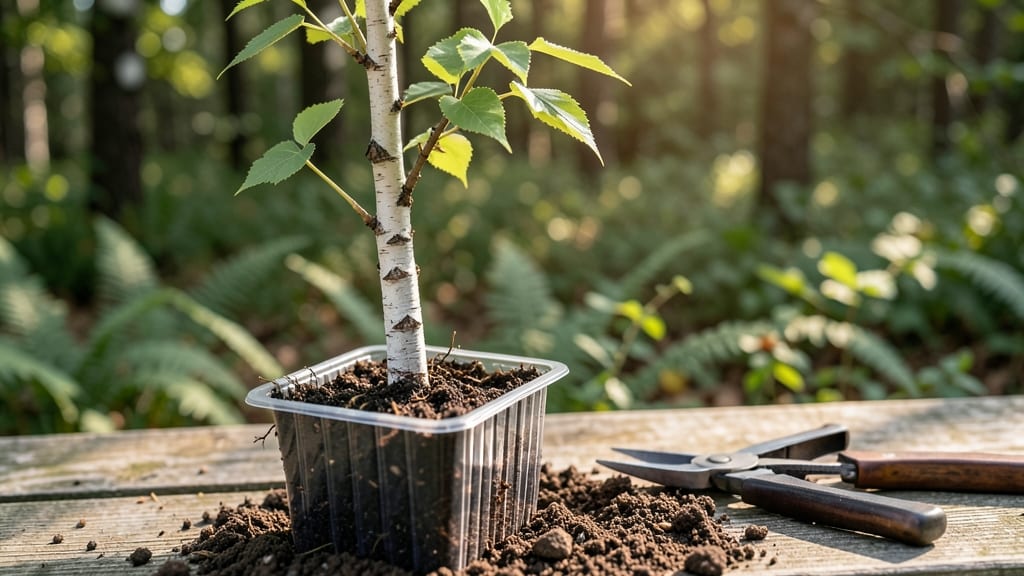
Growing a river birch seedling from scratch is faster than you’d think—those delicate seedlings can sprout in just 10-14 days with the right prep. 🌱 I’ve watched them push through soil like tiny exclamation marks, and the key isn’t some secret trick but getting the moisture and warmth just right from day one.
Their paper-thin bark and feathery leaves make them stand out, but they’re picky about soil—too dense, and roots suffocate; too sandy, and they dry out. A mix of 50% potting soil, 30% perlite, and 20% compost keeps them happy while they grow.
Sunlight is their other obsession: 6+ hours daily, but protect young seedlings from harsh afternoon rays until they’re sturdy.
By month three, you’ll have a 3-foot-tall privacy screen if you keep them watered (but not soggy) and fertilized lightly every 6 weeks. The real magic? That peeling bark starts showing by year two—no other tree delivers that rustic charm so quickly.
Just watch for fungal spots on leaves; a quick spray of neem oil fixes most issues.
Perfect for shady corners or sunny borders—just plant them 6-8 feet apart for that signature birch curtain effect. The slow-and-steady growth means less maintenance, but the payoff is worth it: a backyard that feels like a forest retreat in just a few seasons.
📚 In This Guide
- What you need
- Instructions
- Tips and common mistakes
- Wrapping up and next steps
What you need
- ● River birch seeds: 10–20 seeds (ensure they’re fresh for best germination rates).
- ● Seed-starting mix: 1–2 bags (sterile, peat-based or coconut coir blend).
- ● Seed trays or small pots: 4–6 (3–4" deep, with drainage holes).
- ● Plastic wrap or humidity dome: 1 (to retain moisture).
- ● Spray bottle: 1 (for gentle watering).
- ● Grow lights or sunny windowsill: 1 (12–16 hours of light daily).
- ● pH test kit: 1 (ideal soil pH: 5.0–6.5 for birch).
- ○ Fertilizer (optional but helpful): 1 bottle (balanced 10-10-10 or organic starter fertilizer).
- ● Heat mat: 1 (70–75°F keeps seeds cozy for faster germination).
- ● Transplanting pots: 6–12 (4" diameter, for seedlings before outdoor planting).
- ● Mulch: Shredded bark or straw (to retain moisture post-transplant).
- ● Garden gloves: 1 pair (for easy handling of soil/seeds).
Step-by-Step guide for germinating river birch seedlings quickly
Here's how to coax those slow-starting birch seeds into sprouts in record time.
🌱 Step 1: Stratify Seeds for Faster Germination
River birch seeds need a cold period to break dormancy—this mimics winter in the wild. Mix the seeds with the moistened sand in a sealed plastic bag and refrigerate for 60-90 days. Check monthly to ensure the sand stays damp but not soggy.
I place the bag on a shelf where it won't freeze, around 35-40°F. After 2 months, remove the bag and let it sit at room temperature for 1-2 weeks to simulate spring. You'll see the seeds soften slightly—that's your cue they're ready to plant.
💧 Step 2: Plant Stratified Seeds in Moisture-Retentive Soil
Fill the seedling trays with the pre-moistened potting mix and press lightly to remove air pockets. Plant seeds ¼ inch deep—too deep and they won't have energy to push through. Space them 2 inches apart since birch seedlings grow slowly at first.
Water gently with a spray bottle until the soil feels evenly damp. Place the trays in a warm, shaded spot (around 65-70°F) for the first 2 weeks. You won't see sprouts yet, but the roots are already searching for moisture.
☀️ Step 3: Provide Indirect Light and Monitor Moisture
Once you spot the first true leaves (not the initial seed leaves), move the trays to bright, indirect light. A south-facing window works, but avoid harsh afternoon sun—young birch leaves scorch easily. Keep the soil consistently moist by watering when the top inch feels dry to the touch.
I use a humidity dome for the first 3-4 weeks to prevent wilting. Watch for condensation on the dome—if it's foggy, you're doing it right. Remove the dome once seedlings show 3-4 leaves to toughen them up.
⏰ Step 4: Transplant When Seedlings Are 4-6 Inches Tall
When your seedlings reach 4-6 inches with multiple sets of leaves, it's time to move them to individual 4-inch pots. Fill the pots with the same potting mix and plant each seedling at the same depth it grew in the tray.
Water thoroughly after transplanting and place the pots in a sheltered outdoor spot for a week to acclimate. Gradually increase sun exposure over 10 days before moving them to their permanent location. This prevents shock and encourages strong root growth.
Tips & tricks for perfect river birch seedling germination
Fast germination isn't just luck—it's about timing, conditions, and attention to detail. Here's how to get those river birch seeds sprouting in record time.
Cold Stratification Secret: The 60-90 day cold period is non-negotiable for river birch seeds. I've tried skipping it, and the seeds either never sprout or take over a year. Place your bag of seeds on a refrigerator shelf (around 35-40°F) where it won't freeze—freezing can damage the seeds. After 2 months, you'll notice the seeds soften slightly; that's your signal they're ready for planting. Trust me on this: this cold period mimics winter conditions and breaks their natural dormancy.
Soil Moisture Management: In Step 2, when planting your stratified seeds, focus on keeping that pre-moistened potting mix consistently damp—not soggy. I use a spray bottle to water gently after planting, then check daily by sticking my finger about an inch deep. If it feels dry, water again. Overwatering can cause rot, while underwatering stalls germination. The key is that warm, shaded spot (65-70°F) should feel like a cozy spring morning—not a swamp.
Light Transition Strategy: When you see those first true leaves in Step 3, don't rush to full sun. Start with bright, indirect light and gradually increase exposure over 2 weeks. I place my trays near a south-facing window but move them back if I notice leaves curling or turning yellow—those are signs of sunburn. The goal is to harden those seedlings gradually so they can handle their permanent outdoor spot later.
Transplanting Timing: Wait until your seedlings reach 4-6 inches with multiple leaf sets before transplanting in Step 4. Smaller seedlings are more fragile and may not survive the shock. I've learned this the hard way—transplanting too early often results in stunted growth. Give them that extra time to develop strong roots before moving them to individual pots. This patience pays off with healthier, more resilient trees.
Pro Tips for River Birch Seedling
- Fast germination isn't just luck—it's about timing, conditions, and attention to detail.
- Cold Stratification Secret: The 60-90 day cold period is non-negotiable for river birch seeds.
- Soil Moisture Management: In Step 2, when planting your stratified seeds, focus on keeping that pre-moistened potting mix consistently damp—not soggy.
Frequently asked questions
Got questions about growing river birch seedlings? You’re not alone! Here are answers to the most common queries—from timing to troubleshooting—to help you get started with confidence.
How long does it take for river birch seeds to germinate?
River birch seeds typically germinate in 4–12 weeks under ideal conditions (moist, well-draining soil and temperatures between 60–75°F). Cold stratification (chilling seeds for 30–90 days) can speed this up. Patience is key—some seeds may take longer, especially if planted in fall.
When is the best time to plant river birch seedlings?
Plant seedlings in early spring (after the last frost) or fall (6–8 weeks before winter). Avoid summer planting, as extreme heat can stress young roots. If starting from seed, sow in containers in late fall for natural stratification or plant directly in fall for spring germination.
How often should I water river birch seedlings?
Keep soil consistently moist but not soggy—water deeply 2–3 times per week for the first year. Young seedlings are drought-sensitive; mulch around the base to retain moisture. Once established (after 2–3 years), reduce watering to once a week unless in extreme drought.
What’s the fastest way to grow a river birch for privacy?
For rapid growth, plant 3–5 seedlings per 10-foot section in a staggered pattern. Use slow-release fertilizer (like 10-10-10) in early spring, and prune competing branches to direct energy upward. River birches grow 1–2 feet per year—expect full privacy in 5–10 years with proper care.
Why aren’t my river birch seeds sprouting?
Common culprits:
- Poor stratification: Seeds need cold exposure to break dormancy. Try soaking in water for 24 hours, then refrigerate for 60 days.
- Dry soil: Keep seedbeds moist (like a damp sponge). Use a humidity dome if starting indoors.
- Old seeds: River birch seeds lose viability after 1–2 years. Source fresh seeds for best results.
Wrapping up and next steps
Growing a river birch seedling is a rewarding way to add lush, fast-growing privacy to your landscape—with minimal hassle! 🌱 From selecting the right soil to nurturing your sapling, these steps ensure vibrant foliage and sturdy growth.
Whether you're a seasoned gardener or a beginner, your patience will soon be rewarded with a stunning, natural screen.
Ready to transform your outdoor space? Start by planting your seedling in well-draining soil and keep it hydrated. Next, watch it thrive with minimal maintenance—soon, you’ll have a private, picturesque retreat! 🌿