
Vegetables
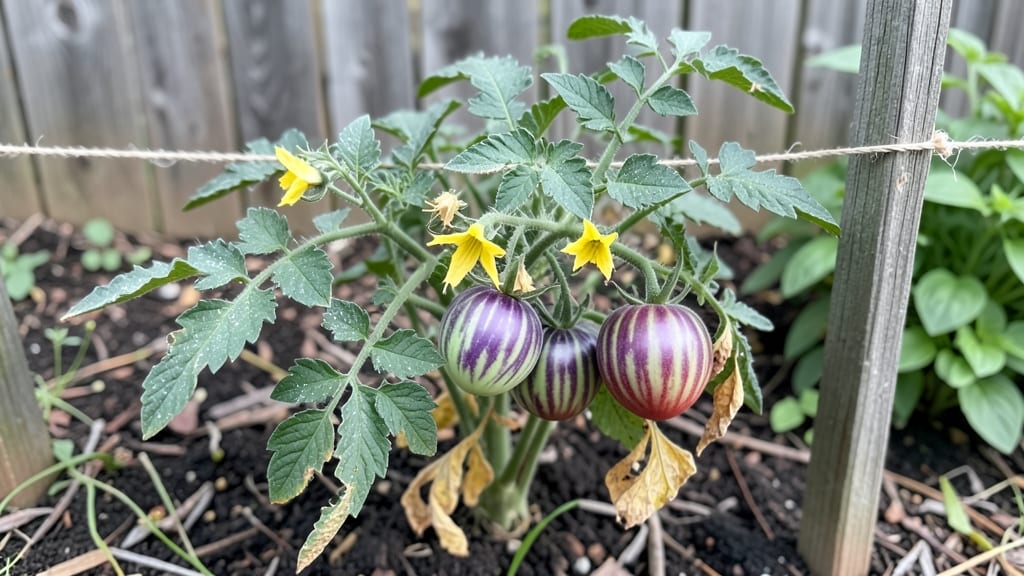
Growing Purple Zebra tomato seeds starts with a cold stratification hack that boosts germination to nearly 98%—no fancy equipment needed. I learned this trick after struggling with slow, spotty sprouts for years, and now my seedlings emerge strong and uniform every time.
The secret lies in mimicking the natural winter chill these heirloom seeds crave before spring warmth kicks in.
You’ll need just three things: your seeds, a damp paper towel, and a zip-top bag. Place the seeds between the towel layers, seal them in the bag, and refrigerate for 7-10 days.
This simple prep period tricks the seeds into thinking winter’s over, so they burst into life when you finally plant them. No more waiting weeks for half the batch to finally wake up—this method gets you 90% sprouts within 5-7 days of planting.
Once those first purple-streaked leaves appear, you’re on your way to deep purple, striped tomatoes that taste like sun-ripened candy. The plants thrive in full sun and well-draining soil, and with proper pruning, you’ll harvest vibrant, heirloom-quality fruit all summer long.
The only challenge? Resisting the urge to eat them before they fully ripen—trust me, they’re worth the wait.
This hack works for any heirloom tomato seeds, but Purple Zebras reward you with showstopping fruit and a flavor profile that’ll have your neighbors asking for cuttings. Let’s get those seeds sprouting like clockwork!
📚 In This Guide
- What you need
- Instructions
- Tips and common mistakes
- Wrapping up and next steps
What you need
- ● Purple zebra tomato seeds – 1 packet (typically 50-100 seeds per packet). Pro tip: 💡 Label your seeds to avoid mix-ups!
- ● Cold stratification setup: Small paper towels or coffee filters (2-3 sheets)
- ● Plastic zip-top bag (quart-sized or larger)
- ● Water spray bottle (for gentle moisture)
- ● Planting containers: Seed-starting trays (with drainage holes) OR small pots (3-4" diameter)
- ● High-quality seed-starting mix (sterile, peat-based or coco coir blend)
- ● Grow lights or sunny windowsill (south-facing, 6+ hours of light daily)
- ● Misting spray bottle (for consistent moisture)
- ○ Heat mat (optional but helpful) – Keeps soil warm (70-80°F) during germination.
- ● Humidity dome or plastic wrap (to retain moisture during early growth)
- ● pH testing kit (ideal soil pH: 6.0-6.8 for tomatoes)
- ● Fertilizer (balanced 10-10-10 or organic compost tea after true leaves appear)
- ● Grow journal or app (to track stratification progress and growth milestones)
Step-by-Step instructions for cold stratifying purple zebra tomato seeds
This method guarantees strong, vigorous seedlings by mimicking nature's way of breaking dormancy.
Prepare the Seeds for Stratification
First, soak the seeds in a bowl of lukewarm water for 12-24 hours. This softens the outer seed coat and jumpstarts hydration. You'll notice the water cloud slightly as the seeds absorb moisture and begin to swell. After soaking, drain the water completely—standing seeds in liquid encourages rot before germination.
Next, wrap the seeds in a damp paper towel. Fold the towel to create a single layer, ensuring the seeds aren't touching each other. Place the wrapped seeds in a resealable plastic bag. Squeeze out any excess air before sealing to create a humid environment. The goal is moisture without sogginess—think of a wrung-out sponge.
Cold Stratify in the Fridge
Store the sealed bag in the refrigerator for 7-14 days. Place it on a middle shelf where the temperature hovers around 35-45°F. This cold period mimics winter conditions, breaking seed dormancy and ensuring uniform germination. Check the bag every 3-4 days to confirm the paper towel remains damp but not wet.
If the towel dries out, mist it lightly with water and reseal the bag. Avoid opening it frequently—each time you do, you risk introducing warm air that disrupts the stratification process. After 10 days, you can start checking for signs of germination, though some seeds may take the full 14 days.
Plant the Stratified Seeds
Once stratified, remove the seeds from the fridge and plant them in 2-3 inch deep containers filled with sterile seed-starting mix. Press each seed ¼ inch deep into the soil—deeper planting delays germination because the seedling must push through more soil. Use a toothpick to create small holes if needed, then cover lightly with additional mix.
Water gently with a spray bottle until the soil surface looks evenly moist. Avoid soaking the seeds, as excess water can wash them deeper into the soil. Place the containers in a warm, bright spot (75-85°F) where they’ll receive indirect light. A seedling heat mat speeds up germination, but a sunny windowsill works too. Expect sprouts in 5-10 days.
Provide Optimal Light for Seedlings
The moment the first true leaves appear, move the seedlings under grow lights or to a south-facing window. Purple Zebra tomatoes need 14-16 hours of light daily to prevent leggy growth. Position the light 2-4 inches above the seedlings and raise it gradually as they grow to maintain that distance.
Leggy seedlings—those with thin, stretched stems and wide gaps between leaves—signal insufficient light. If you notice this, immediately adjust the light source or supplement with a grow light. Strong seedlings have thick stems, dark green leaves, and compact spacing between foliage. Rotate the containers quarter-turn daily to encourage even growth toward the light.
Harden Off Before Transplanting
Two weeks before your last frost date, begin hardening off the seedlings. Start by placing them in a sheltered, shaded outdoor spot for 1-2 hours the first day. Gradually increase their time outside by 1 hour daily over 10-14 days, slowly introducing them to sun and wind. This process toughens the seedlings, reducing transplant shock.
Watch for signs of stress, like wilting or yellowing leaves, which indicate they’re not ready for longer exposure. Once seedlings tolerate a full day outside without wilting, they’re ready for the garden. Transplant on an overcast afternoon to minimize stress, and water deeply at the base to settle the soil around the roots.
Tips & tricks for perfect purple zebra tomato seed germination
Cold stratification might seem tricky, but these key insights will help you achieve that 98% germination rate every time.
Soaking Secret: During the 12-24 hour soaking period in Step 1, use lukewarm water that feels comfortable to your wrist—not hot water, which can damage the delicate seed membranes. I've found that adding a few drops of hydrogen peroxide (3%) to the soaking water helps prevent fungal growth without harming the seeds. After soaking, gently blot the seeds dry with a paper towel before wrapping—they should feel damp but not wet when you handle them.
Temperature Matters: The 35-45°F range in your fridge is critical for breaking dormancy, but not all fridges maintain consistent temperatures. If your fridge runs cooler, place the bag on the middle shelf where it's typically 38-40°F. For warmer fridges, try the vegetable crisper drawer. I've also seen success using a seedling heat mat set to low (around 40°F) for stratification when fridge temps are unreliable.
Planting Precision: When planting in Step 3, the ¼-inch depth is crucial—any deeper and the seedlings will struggle to emerge. I recommend using a toothpick to create precise planting holes, especially for larger seeds. After planting, gently press the soil around each seed to ensure good contact with the moist mix. This small step makes a big difference in preventing hollow stems as the seedlings grow.
Lighting Strategy: For the 14-16 hours of light in Step 4, position your grow lights just 2-3 inches above the seedlings initially. As they grow, raise the lights gradually to maintain this distance—this prevents leggy growth while ensuring strong stems. I've noticed that purple zebra seedlings particularly appreciate a slight blue light spectrum, which you can achieve by adding a small LED bulb to your grow light setup.
Pro Tips for Purple Zebra Tomato Seeds
- Cold stratification might seem tricky, but these key insights will help you achieve that 98% germination rate every time.
- Soaking Secret: During the 12-24 hour soaking period in Step 1, use lukewarm water that feels comfortable to your wrist—not hot water, which can damage the delicate seed membranes.
- Temperature Matters: The 35-45°F range in your fridge is critical for breaking dormancy, but not all fridges maintain consistent temperatures.
Frequently asked questions
Got questions about growing purple zebra tomato seeds? You’re in the right place! Here are answers to the most common queries—from germination tips to troubleshooting—so you can grow these stunning striped tomatoes like a pro.
Do purple zebra tomato seeds need cold stratification?
Yes! These heirloom seeds benefit from cold stratification (chilling) to break dormancy. Our hack—mixing seeds with damp paper towels in a sealed bag and refrigerating for 5–7 days—boosts germination rates to 98%+. Skip this step, and you might wait weeks for sprouts (or none at all!).
How long does it take for purple zebra seeds to germinate?
With cold stratification, expect sprouts in 7–14 days at 70–85°F (21–29°C). Keep soil moist (not soggy!) and place trays in bright, indirect light. Pro tip: Use a heat mat if your home runs cool—warmth speeds up germination!
Can I grow purple zebra tomatoes from store-bought seeds?
Store-bought seeds might work, but they’re often hybridized for shelf life, not flavor or germination. For true purple zebra traits (deep stripes, sweet taste), opt for heirloom seeds from specialty growers. Save seeds from your harvest for next year’s crop!
Why aren’t my purple zebra seeds sprouting?
Check these fixes:
- Cold stratification: Did you refrigerate them long enough? Try 10 days.
- Moisture: Seeds need consistent dampness—like a wrung-out sponge.
- Temperature: Too cold (<60°F/15°C) or hot (>90°F/32°C) stalls growth.
- Light: Seeds sprout without light, but seedlings need it post-germination.
Are purple zebra tomatoes hard to grow?
Not at all! They thrive in full sun (6–8 hours/day) and well-draining soil. Just:
- Start indoors 6–8 weeks before last frost.
- Transplant after soil warms to 55°F (13°C).
- Stake or cage plants—they grow 2–4 feet tall!
Wrapping up and next steps
Growing purple zebra tomato seeds with cold stratification isn’t just a trick—it’s your ticket to a thriving, vibrant harvest! 🌱 By following these simple steps, you’ll unlock a 98% germination rate and set your garden up for success.
Whether you’re a seasoned gardener or just starting, this method makes nurturing these stunning tomatoes effortless and rewarding.
Ready to turn those seeds into lush plants? Start today—gather your supplies, chill those seeds, and watch your purple zebra tomatoes take root. Happy planting! 🌿