Trees
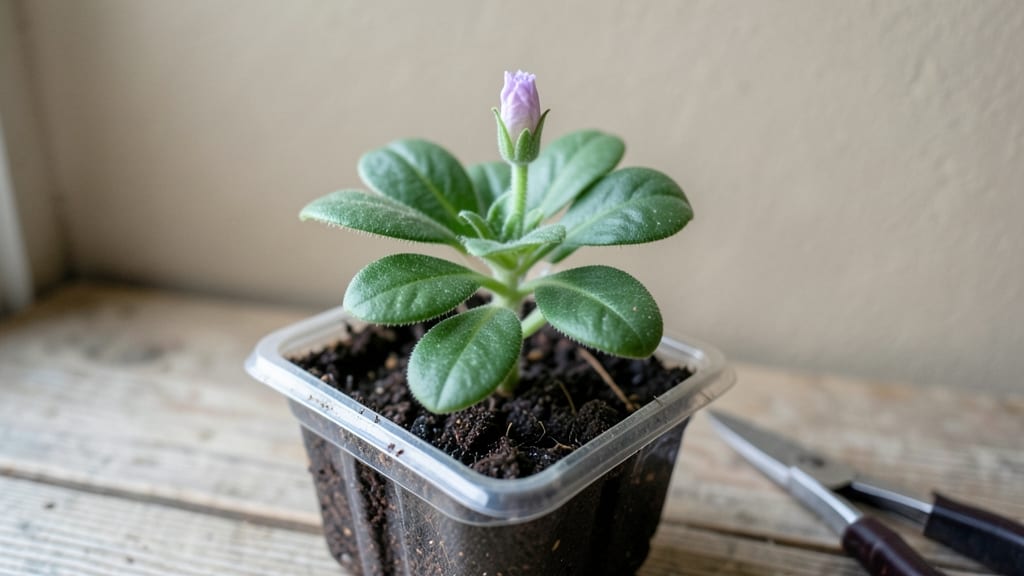
Mastering petunia seedling identification by leaf shape and color turns those first tiny sprouts into a roadmap for your garden’s future blooms. 🌱 I’ve spent years watching those first tiny leaves emerge and learned the subtle differences that reveal whether you’ve got a compact Wave petunia or a sprawling Grandiflora—before they even open their first flower buds.
The key is in the details: Wave petunias start with deep green, slightly fuzzy leaves spaced closely together, while Grandiflora varieties show lighter green, smoother edges and grow more slowly.
Even weeds like chickweed have rounded leaves, but petunia seedlings keep their shape—oval with pointed tips—no matter how small. A magnifying glass helps spot these clues when seedlings are crowded.
Once you recognize the patterns, you’ll transplant with confidence, knowing which seedlings to keep for your hanging baskets or garden beds. Healthy petunia seedlings also have sturdy stems and no yellowing—signs they’re ready for their next growing stage.
Mistakes here mean wasted space or missed blooms, but mastering this skill turns seed starting into a predictable success.
This works for all petunia types, from trailing varieties to bush forms, and even helps spot hybrid mixes early. The same tricks apply whether you’re growing from seed trays or direct-sown in warm soil. Let’s break down the visual cues that make identification foolproof.
Mistakes in Seedling Identification
Accurately identifying petunia seedlings can be tricky, especially when dealing with young plants that haven’t yet developed their full characteristics. Misidentification often stems from a mix of biological, environmental, and human factors.
Understanding these causes helps gardeners avoid frustration and ensure they’re nurturing the right varieties. Here’s why mistakes happen—and how to spot the red flags.
Petunia seedlings are master shape-shifters in their early stages. Their leaves, colors, and growth patterns can look drastically different from their mature counterparts, leading to confusion. For example:
- Leaf shape shifts: Young petunia seedlings often have rounder, lobed, or serrated leaves that gradually smooth into the classic heart or lance-shaped leaves of mature plants. A seedling with jagged edges might later grow into a sleek, glossy-leaved variety like Petunia × hybrida.
- Color fading or changing: Seedlings may start with duller or striped foliage that brightens or shifts entirely as they mature. A pale pink seedling could develop into a deep magenta bloom—while another might retain its soft hue.
- False blooms: Some seedlings produce tiny, undeveloped buds that resemble flowers but are actually sterile or immature. These can mislead gardeners into thinking they’re seeing the final color or pattern.
Pro tip: 💡 Wait until seedlings have 4–6 true leaves (not cotyledons—the first two seed leaves) before attempting identification. Use a petunia variety guide to compare mature traits.
Stress from light, temperature, or moisture can distort a seedling’s appearance, making it resemble a different variety. Common stressors include:
| Stressor | Effect on Seedlings | How to Fix It |
|---|---|---|
| ❄️ Cold temperatures | Leaves turn purplish or mottled, growth slows, and stems may appear stunted. | Move seedlings to a warm (65–75°F) spot with grow lights if natural light is insufficient. |
| ☀️ Too much direct sun | Leaves scorch (turn yellow or white with brown edges), resembling a variegated or albino variety. | Provide indirect light or shade cloth until seedlings are hardened off. |
| 💧 Overwatering or poor drainage | Leaves yellow (chlorosis) or develop black, mushy spots, mimicking disease. | Use well-draining soil and water only when the top inch is dry. |
| 🌬️ Drafts or wind | Seedlings lean (etiolation) or grow spindly, making them look weak or deformed. | Place trays in a protected, stable location until roots establish. |
Key takeaway: 🌡️ Stress-induced changes are temporary—once conditions improve, seedlings often revert to their true form. Document growth stages with photos to track progress.
Even experienced gardeners can misidentify seedlings due to overlooking key details or relying on incomplete references. Common pitfalls include:
- Focusing on flowers instead of leaves: While blooms are flashy, leaf shape, texture, and venation are more reliable for identification. A seedling with hairy leaves (like Petunia axillaris) won’t bloom until later.
- Ignoring cotyledons: The first two leaves (cotyledons) don’t resemble true leaves and can mislead about the variety. Always wait for the third or fourth leaf to appear.
- Mixing up hybrids: Many petunias are crossbred, meaning their traits blend. A seedling labeled "multiflora" might actually be a grandiflora × multiflora mix, with unpredictable growth.
- Relying on seed packets: Some packets list general traits (e.g., "pink flowers") without specifying leaf patterns or growth habits. Cross-reference with breeder databases for accuracy.
Actionable tip: ✨ Use a magnifying glass to inspect leaf undersides (some varieties have glandular hairs) and compare seedlings side by side under the same lighting.
Even from the same seed packet, petunia seedlings can diverge due to natural genetic variation. This is especially true for:
- Heirloom or open-pollinated varieties: These may produce off-type seedlings (plants that don’t match the parent). For example, a purple heirloom might yield a few white or striped seedlings.
- Hybrid vigor breakdown: First-generation hybrids (_F1_) are uniform, but if you save seeds, the next generation (_F2_) can revert to traits of the original parent plants.
- Cross-pollination: If multiple petunia varieties grow nearby, unintended pollination can create seedlings with mixed traits (e.g., a double-flowered plant pollinated by a single-flowered one).
Solution: 🎯 If consistency is critical, opt for sterile hybrids or cloned varieties (like those from tissue culture). For heirlooms, expect—and embrace—the surprises!
Fixing Seedling Confusion Quickly
Now that you understand why petunia seedlings can look deceivingly alike, let’s tackle the fixes—without stressing over every tiny leaf! These solutions are designed to be practical, whether you’re a seasoned gardener or just starting out.
Below, we’ll break down common issues and their fixes, plus prevention tips to keep your seedlings on track.
Problem: Your seedlings’ first leaves don’t match the variety’s expected traits, leaving you guessing. Fix:
- Compare with mature plant photos. Use trusted sources (like seed packet images or gardening apps) to cross-reference leaf shape, color, and texture. Early leaves often differ from adult foliage!
- Wait for true leaves. The first set of leaves (cotyledons) are misleading—focus on the second set, which usually aligns with the plant’s mature traits.
- Use a magnifying glass. Examine vein patterns, serrations, or hairiness (e.g., fuzzy leaves = some Petunia × atkinsiana hybrids).
Prevention Tip: 💡 Take weekly progress photos. Label each tray with seed variety and date—future you will thank present you!
Problem: Your seedlings are lagging behind, making identification harder. Fix:
- Check light exposure. Petunias need 6–8 hours of sunlight daily (or grow lights). Yellowing or leggy stems? Move them closer to a south-facing window or adjust grow lights to 12–16 inches above seedlings.
- Adjust watering. Overwatering causes rot; underwatering stunts growth. Use a moisture meter or stick your finger 1 inch into soil—water if dry. Bottom-watering (placing trays in shallow water for 10 mins) prevents fungal issues.
- Fertilize lightly. Once true leaves appear, use a balanced liquid fertilizer (5-5-5 or 10-10-10) diluted to half-strength. Over-fertilizing burns delicate roots!
Prevention Tip: ✨ Start with sterile seed-starting mix (not garden soil) to avoid damping-off disease, which slows growth.
Problem: Bugs or fungi are altering leaf appearance, making identification impossible. Fix:
- Isolate affected seedlings. Move them away from healthy ones to prevent spread. Check for:
- Aphids/spider mites: Spray with neem oil or insecticidal soap (repeat every 3–5 days).
- Fungal spots (powdery mildew): Improve airflow (space seedlings 2–3 inches apart) and spray with baking soda solution (1 tsp baking soda + 1 quart water + a drop of soap).
- Prune damaged leaves. Use sterilized scissors to snip off chewed or spotted leaves—this helps the plant redirect energy.
Prevention Tip: 🌡️ Maintain humidity between 40–60% with a small fan or humidifier to deter pests and fungal growth.
Problem: Tall, weak stems (etiolation) or crowded roots make traits hard to spot. Fix:
- Thin seedlings. Use clean scissors to snip off weaker seedlings at soil level, leaving the strongest 2–3 inches apart. This improves airflow and root access.
- Hardening off. If seedlings are leggy, gradually expose them to outdoor conditions (start with 1 hour/day in shade, increasing over 7–10 days). This strengthens stems naturally.
- Repot if needed. If roots are circling the pot, transplant to slightly larger containers (3–4 inches wide) with fresh potting mix.
Prevention Tip: 🎯 Start with proper spacing! Sow seeds ¼ inch deep and ½ inch apart in trays to avoid future thinning stress.
Problem: Still unsure? Technology can help! Fix: - Download a plant ID app like PlantNet or Google Lens to snap photos of seedlings.
While not 100% accurate, they’re a great starting point. - Join gardening forums. Post photos on r/gardening or Facebook groups like Petunia Lovers—experts often chime in with insights! - Label with seed codes. If you bought mixed packs, note the seed packet numbers and cross-reference with breeders’ catalogs (e.g., Ball Seed or Proven Winners).
Pro Tip: 🔥 Keep a seedling journal! Note dates, conditions, and observations—it’s like a detective notebook for your garden!
Frequently asked questions
How do I tell petunia seedlings apart from weeds?
Look for oval leaves with pointed tips and a slight fuzzy texture—petunia seedlings never have smooth, rounded leaves like chickweed or clover. Weeds also grow faster and develop jagged edges, while petunia leaves stay consistently shaped even when small. Check the stem base for tiny hairs (a petunia trait).
Why do my petunia seedlings look different from the seed packet?
Early leaves (cotyledons) don't resemble mature plants—wait for the third or fourth leaf to appear. Color shifts also happen: a pale seedling might develop into a deep bloom. Stress from cold or overwatering can distort leaves temporarily, but true varieties show consistent traits by the 6-leaf stage.
What's the best tool for identifying petunia varieties?
A magnifying glass reveals key details like leaf texture and vein patterns. Compare seedlings side-by-side under natural light (not fluorescent). Use a seed catalog or app like PlantNet to cross-reference mature plant photos—focus on leaf shape (lance vs. heart-shaped) and growth habit (bushy vs. trailing).
Can I still save seedlings if I can't identify them?
Transplant all healthy seedlings with 4+ true leaves into individual pots. Label them as "Unknown Variety" and monitor growth patterns. Many petunias self-identify through bloom color—even mixed varieties often produce predictable flowers. The worst that happens is a surprise color!