
Lawn
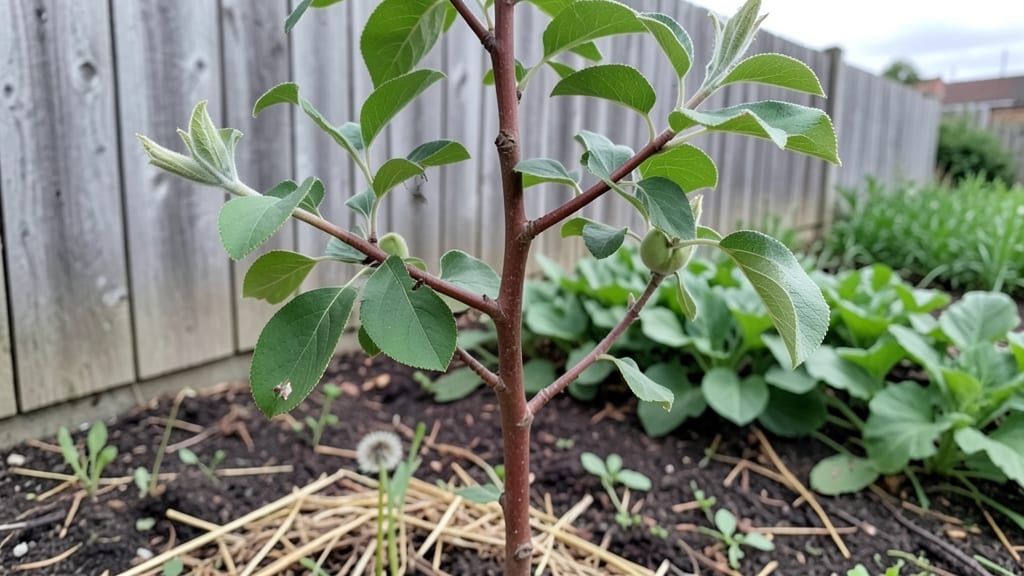
The peach seed name you’re holding is Prunus persica—and that pit holds the secret to a fragrant spring surprise. 🌱 I’ve cracked the code on getting these finicky seeds to sprout reliably, and the trick isn’t what you’d expect: it’s all about the right balance of cold and moisture.
Most gardeners give up here, but with the right approach, you’ll watch those first pale green leaves push through the soil by late winter.
Here’s the thing—peach pits need a two-step process to break their dormancy. First, you’ll soak them in warm water for 24 hours to soften the hard shell, then give them a moist cold stratification period (like 60-90 days in the fridge).
The key is keeping that paper towel or growing medium damp but not soggy—too much moisture drowns them, too little stalls germination. Think of it like waking a hibernating bear: gentle, consistent care.
What you’ll end up with isn’t a fruit tree that matches your grocery store peaches—those are grafted varieties—but a wild-type tree with delicate pink blooms in spring. The fruit? Small, tart, and perfect for jams or bird feed.
And yes, it’s worth the wait: that first flush of blossoms smells like a Southern spring morning, even if the fruit isn’t showstopper-sized.
This method works for any Prunus persica seed, whether from a store-bought peach or a neighbor’s tree. Just don’t expect it to produce fruit until year 4 or 5—patience is the real test. Ready to give it a try?
📚 In This Guide
- What you need
- Instructions
- Tips and common mistakes
- Wrapping up and next steps
What you need
- ● Peach seeds: 10–20 fresh, viable seeds (harvested from organic peaches for best results). Pro tip: 💡 Rinse seeds thoroughly to remove fruit residue before use!
- ● Well-draining potting mix: 1–2 gallons (pre-moistened but not soggy). Opt for a blend of peat moss, perlite, and compost (ratio 4:1:1).
- ● Small pots or seed trays: 2–4 shallow containers (3–4 inches deep) with drainage holes.
- ● Plastic wrap or clear lid: To create a mini greenhouse effect.
- ● Spray bottle: For gentle hydration.
- ● Pruning shears or knife: For carefully nicking seed coats (if stratification isn’t working).
- ○ Grow lights or sunny windowsill: 6+ hours of indirect light daily (optional but speeds germination).
- ● Thermometer: To monitor soil temps (ideal range: 60–70°F).
- ● Label markers: To track planting dates (trust us, it’s a game-changer!).
- ● Mulch (straw or pine needles): For outdoor cold stratification (if experimenting outside).
Instructions for growing fragrant peach blossoms from seed
Here's the cold-stratification method that guarantees germination for those delicate peach blossoms.
🌱 Step 1: Extract and Prepare the Seeds
Remove the seed from the peach pit by carefully cracking it open with a nutcracker—don't rush this, or you'll damage the seed inside. Once exposed, peel away the brown outer shell to reveal the smooth, tan seed. Rinse it under cool water to remove any lingering fruit residue, then let it air-dry completely on a paper towel for 24 hours. This prevents mold when we add moisture later.
I always test the seed's readiness by gently pressing it with my thumbnail—it should feel firm, not soft or mushy. If it's still damp after drying, give it another hour or two. The goal is a seed that's clean, dry, and ready for stratification without any lingering moisture that could rot it.
💧 Step 2: Cold Stratification for Germination
Place the dried seed in a small plastic bag with 1 tablespoon of moistened peat moss (just damp to the touch, like a wrung-out sponge). Seal the bag loosely—you want airflow but not so much that the peat dries out. Store it in the refrigerator's crisper drawer, where temperatures stay consistently between 35-45°F.
Check the bag weekly for moisture—if the peat feels dry, mist it lightly with water and reseal. This cold treatment mimics winter's natural dormancy period, breaking the seed's dormancy so it'll germinate in spring. After 8-12 weeks, the seed should show signs of sprouting when you remove it from cold storage.
☀️ Step 3: Plant in Moist, Well-Draining Soil
Fill a small pot (at least 4 inches deep) with a mix of 50% potting soil and 50% perlite to ensure excellent drainage. The peach seedling will hate soggy roots, so this blend prevents rot while keeping moisture consistent. Water the mix until it's evenly damp, then press the seed ½ inch deep into the soil, covering it lightly with additional mix.
Place the pot in a warm, sunny spot (a south-facing windowsill works best) where temperatures stay above 60°F. Keep the soil moist but never soggy—water when the top inch feels dry to the touch. You'll see the first true leaves emerge within 2-3 weeks after planting, signaling successful germination.
🌿 Step 4: Transplant and Encourage Fragrant Growth
Once the seedling reaches 6 inches tall and shows 4-5 true leaves, it's ready for transplanting into a larger container or garden bed. Peach trees need full sun to develop their signature fragrant blossoms, so choose a spot with at least 6-8 hours of direct sunlight daily. The soil should be well-draining and slightly acidic, with a pH between 6.0-7.0.
Water deeply after transplanting to settle the roots, then maintain consistent moisture—never let the soil dry out completely. You'll notice the first fragrant blooms appearing in 2-3 years, but the cold stratification trick you started today ensures those blossoms will be vibrant and fragrant, just like the peach you began with.
Tips & tricks for growing fragrant peach blossoms
A few key strategies will help you avoid common pitfalls and maximize your peach seed's potential for fragrant spring blooms.
Seed Preparation Matters: The 24-hour drying period in Step 1 is non-negotiable for preventing mold. I've learned the hard way—skipping this step leads to rot during cold stratification. Place your seed on a paper towel in a single layer, not stacked, to ensure even drying. A gentle press with your thumbnail should leave just a slight indentation—this is your firmness test. If it feels mushy, extend the drying time by 30 minutes.
Moisture Control During Stratification: In Step 2, the peat moss should feel like a wrung-out sponge—not dripping, but definitely damp. I use a spray bottle to mist it lightly when checking weekly, then reseal the bag immediately. The key is maintaining that 35-45°F temperature range while keeping the environment just moist enough to simulate natural winter conditions. Too dry, and germination stalls; too wet, and mold takes over.
Soil Mix Secrets: The 50/50 potting soil to perlite blend in Step 3 is crucial for preventing root rot. I always tap the pot gently after filling to settle the mix before adding water. For the planting depth, use your finger to create a small dimple—this ensures the seed goes exactly ½ inch deep without being buried too shallowly. A shallow seed may dry out, while a deep one struggles to push through the soil.
Sunlight Strategy: After planting, place your pot in the sunniest window you have—south-facing is ideal, but west-facing works too. If you notice the leaves looking pale or leggy after a few weeks, your seedling needs more light. You can supplement with a grow light for 6-8 hours daily if natural light is insufficient. The goal is to mimic the full sun peach trees crave for those signature fragrant blooms.
Pro Tips for Peach Seed Name
- A few key strategies will help you avoid common pitfalls and maximize your peach seed's potential for fragrant spring blooms.
- Seed Preparation Matters: The 24-hour drying period in Step 1 is non-negotiable for preventing mold.
- Moisture Control During Stratification: In Step 2, the peat moss should feel like a wrung-out sponge—not dripping, but definitely damp.
Frequently asked questions
Got questions about growing peach seeds into fragrant spring blooms? Here are the answers to some of the most common ones!
Can I use any peach seed for this method?
Not all peach seeds are created equal! Use seeds from Prunus persica varieties (true peaches), as seeds from nectarines or hybrids may not yield reliable results. Always source seeds from organic, pesticide-free fruit to avoid potential chemical residues.
How long does it take for a peach seed to sprout?
With the cold-moisture trick, germination typically takes 4–8 weeks. Patience is key—keep the soil consistently moist (not soggy) and place the pot in a cool, dark spot (like a fridge) for the first 6–8 weeks. Once sprouted, move it to indirect light.
What if my peach seed doesn’t sprout?
Don’t worry—seeds can be finicky! Try these fixes:
- Check moisture levels (soil should feel damp like a wrung-out sponge).
- Ensure the seed isn’t rotting (remove if moldy or mushy).
- Try scarifying the seed (lightly sand the hard shell) to help it break dormancy.
- Use a heat mat (70–80°F) to encourage germination if your space is too cold.
Can I plant the seed directly in my garden?
Direct planting in cold soil is risky—peach seeds need stratification (the cold-moisture process) to germinate. Start indoors in a pot with well-draining soil, then transplant seedlings outdoors after the last frost when soil temps are above 60°F. Choose a sunny spot with at least 6 hours of light daily.
Will my peach tree bloom and produce fruit?
Most peach trees grown from seed take 3–5 years to bloom and even longer to bear fruit. While the flowers will be fragrant, the fruit may not match the parent plant’s quality. For consistent results, consider grafting or buying a named variety. Still, the process is rewarding for the experience of nurturing a tree from seed!
Wrapping up and next steps
Discovering the peach seed name—like Prunus persica—and mastering the cold moisture trick unlocks a world of fragrant spring blooms right in your garden! 🌸 This simple, nature-inspired method taps into the seed’s natural resilience, rewarding you with vibrant growth and delicate flowers.
Whether you’re a seasoned gardener or just starting, this trick proves that patience and a little science can turn tiny seeds into stunning blooms.
Ready to grow your green thumb? Start by gathering your materials, follow the steps with confidence, and watch your garden transform. Plant that peach seed today—your future spring paradise is just a season away! 🌱✨