Planting
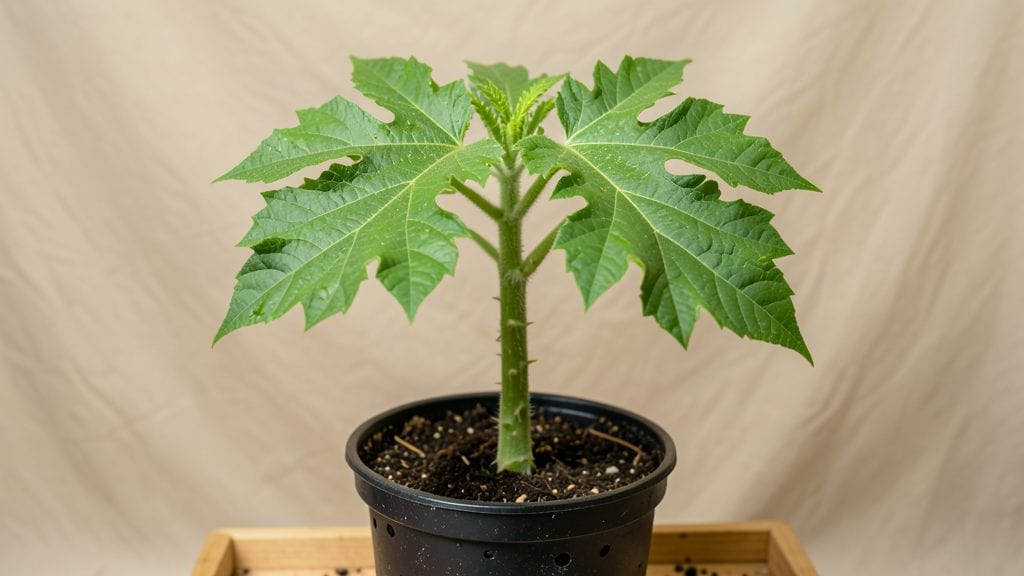
Growing papaya from a tiny seedling to fruit-bearing plant in just 90 days feels like magic—especially when you start with a seed you saved from a grocery store papaya. 🌱 I’ve grown these tropical beauties from scratch, and the key is mimicking their natural jungle conditions right from the start.
The first step is getting that seed to sprout, which requires warmth, humidity, and patience you might not expect for something that grows so fast.
You’ll need a warm spot (75–90°F is ideal), moist but well-draining soil, and a clear plastic bag to trap humidity until those first leaves appear. Most beginners overwater or keep seedlings too cool, which stunts growth—so aim for light daily watering and a sunny windowsill or grow light.
Once the seedling has 4–6 true leaves, it’s ready to transplant into a 5-gallon pot or directly into the ground if your climate stays above 60°F year-round.
By day 60, you’ll see the plant shoot up like a weed, with thick stems and broad leaves that look like they belong in a rainforest.
The real payoff comes when those orange flowers appear—male and female on separate plants (or sometimes both on one), leading to fruit in just 3–4 months after flowering. The trick is keeping the soil consistently moist but not soggy, and protecting young plants from cold snaps or strong winds.
This method works best in USDA zones 10–12, but container growing lets you try it almost anywhere with a sunny balcony or greenhouse. The biggest mistake? Waiting too long to transplant—papayas hate being root-bound.
With the right setup, you could be harvesting your own sweet, juicy papayas by late summer, even if you’ve never grown a tropical plant before.
📚 In This Guide
- What you need
- Instructions
- Tips and common mistakes
- Wrapping up and next steps
What you need
- ● Papaya seeds: 3–5 fresh, viable seeds (harvested from a ripe papaya or purchased from a nursery). Pro tip: Soak seeds in warm water for 24 hours to speed up germination! 💡
- ● Seed-starting mix: 1–2 cups of lightweight, well-draining potting soil (or coconut coir for eco-friendly options). Avoid garden soil—it’s too dense!
- ○ Small pots or seed trays: 2–4 biodegradable pots (3–4 inches in diameter) or a seed tray with drainage holes. Optional: Plastic cups with drainage punched in the bottom.
- ● Drainage materials: Small rocks, pebbles, or broken pottery pieces for the bottom of pots to prevent waterlogging.
- ● Spray bottle: For gentle watering without disturbing delicate seedlings.
- ○ Gloves (optional): To protect your hands from soil and seed residue.
- ● Labels & markers: To track planting dates and seed varieties.
- ● Humidity dome or plastic wrap: Keeps moisture in while seeds germinate (remove once sprouts appear!).
- ● Sunlight access: A sunny windowsill (south-facing) or a grow light for 6–8 hours daily.
- ○ Fertilizer (optional): A balanced, water-soluble fertilizer (e.g., 10-10-10) for seedlings after 3–4 weeks.
- ● Temperature: Ideal germination range: 75–90°F (24–32°C). Use a heat mat if your home runs cooler. ❄️🔥
- ● Humidity: Maintain 70–80% humidity during germination (mist daily or use a humidity tray).
- ● Water: Keep soil consistently moist but not soggy—overwatering is the #1 killer of seedlings!
Step-by-Step instructions for growing papaya seedlings indoors
Here’s how to transform tiny papaya seeds into sturdy seedlings ready for transplanting in just 90 days.
🌱 Step 1: Soak and Plant the Seeds
Papaya seeds have a tough outer coating, so soak them in warm water for 24 hours to soften it. Place them in a small bowl or damp paper towel, ensuring they stay submerged. After soaking, gently rub the seeds between your fingers to break the outer shell—this speeds up germination.
Fill a 4-inch seedling tray with moistened seed-starting mix (never garden soil). Press the soil down lightly to create a firm surface, then plant the soaked seeds ½ inch deep. Space them 1 inch apart to avoid overcrowding. Cover the tray with plastic wrap or a humidity dome to retain warmth and moisture.
💧 Step 2: Provide Warmth and Monitor Germination
Papaya seeds thrive in 80-85°F soil temperatures. Place the tray on a seedling heat mat or in a warm spot like near a sunny window. Check daily for moisture—mist the soil lightly if it feels dry to the touch, but avoid oversaturating. Germination typically takes 7-14 days.
Once sprouts emerge, remove the plastic cover immediately to prevent fungal growth. You’ll see tiny leaves (cotyledons) unfurl first—this is your cue to move seedlings to bright, indirect light. Avoid direct sun at this stage, as young seedlings can scorch easily.
☀️ Step 3: Transition to Strong Light and Fertilize
After 2-3 weeks, when seedlings have 2-3 sets of true leaves, introduce them to morning sunlight only. Gradually increase exposure over 5-7 days to full sun. Papayas love warmth, so maintain 75-85°F daytime temperatures—if your home runs cooler, supplement with a grow light.
Fertilize lightly with a balanced liquid fertilizer (10-10-10) diluted to half strength. Apply every 2 weeks to encourage leafy growth. Over-fertilizing now can burn delicate roots, so less is more. Watch for dark green, glossy leaves—they’re a sign your seedlings are thriving.
🪴 Step 4: Transplant to Larger Pots
When seedlings reach 6-8 inches tall with 4-5 sets of leaves, transplant them into 5-gallon pots filled with a mix of potting soil and compost. Handle the seedlings gently by their leaves, not stems, to avoid damage. Bury them slightly deeper than before to support stability.
Water thoroughly after transplanting, then let the top inch of soil dry out before watering again. Place pots in a location with full sun (6+ hours daily). If outdoors, choose a spot with warmth and humidity—papayas despise cold drafts. You’ll notice new growth within 10-14 days as roots establish.
⏰ Step 5: Prepare for Outdoor Planting
Hardening off begins 4-6 weeks before last frost. Start by placing seedlings outside in a shaded area for 1 hour daily, gradually increasing time and sun exposure over 2 weeks. Watch for wilting—if it occurs, they’re not ready yet. Papayas need consistent warmth, so only transplant after soil temperatures reach 70°F+.
Choose a permanent spot with well-draining soil and afternoon shade in hot climates. Dig a hole twice as wide as the root ball and amend the soil with compost. Water deeply after planting to settle roots. Within 90 days, you’ll have a sturdy papaya seedling ready to bear fruit with proper care.
Tips & tricks for growing healthy papaya seedlings
These practical insights will help you avoid common pitfalls and maximize your success with papaya seedlings over those critical 90 days.
The Soaking Secret: That 24-hour warm water soak isn't just about softening the seed coat—it's also a great time to inspect your seeds. Discard any that float (they're likely empty) or show signs of mold. For faster germination, I like to add a few drops of hydrogen peroxide to the soaking water—it sterilizes without harming the seeds.
Light Transition Strategy: When moving seedlings to stronger light in Step 3, I recommend using a shade cloth (50% coverage) for the first few days of sunlight exposure. This gradual approach prevents sunburn while still giving them the light boost they need. Watch for leaves that look pale or see-through—this is your sign they're getting too much direct sun too soon.
Temperature Precision: Maintaining that 80-85°F soil temperature range during germination is crucial, but don't assume your home environment will naturally hit this. I keep my seedling tray on a seedling heat mat set to 82°F and place it near a south-facing window. If your home runs cooler, supplement with a small space heater or grow light—papaya seeds simply won't germinate well below 75°F.
Transplanting Technique: In Step 4, when transplanting to 5-gallon pots, I always mix my potting soil with perlite (20% perlite to 80% soil) for better drainage. Papayas hate soggy roots, and this prevents the common issue of seedlings developing root rot. After transplanting, give the soil a gentle squeeze—it should feel like a damp sponge, not dripping wet.
Pro Tips for Papaya Plant Seedling
- These practical insights will help you avoid common pitfalls and maximize your success with papaya seedlings over those critical 90 days.
- The Soaking Secret: That 24-hour warm water soak isn't just about softening the seed coat—it's also a great time to inspect your seeds.
- Light Transition Strategy: When moving seedlings to stronger light in Step 3, I recommend using a shade cloth (50% coverage) for the first few days of sunlight exposure.
Frequently asked questions
Got questions about growing papaya seedlings? You’re not alone! Here are answers to the most common ones to help you get started with confidence.
How long does it take for a papaya seedling to sprout?
A papaya seedling typically sprouts within 7–14 days after planting. Keep the soil warm (70–85°F) and moist—patience is key! If no sprouts appear after 2 weeks, gently check the seed’s viability or replant fresh seeds.
What’s the best temperature for growing papaya seedlings?
Papaya seedlings thrive in warm climates (70–90°F). If you’re in a cooler zone, start seeds indoors near a sunny window or under grow lights. Avoid cold drafts—seedlings are sensitive to chilly temps and may rot or fail to sprout.
Can I grow a papaya from a grocery store seed?
Papaya seeds from store-bought fruit will germinate, but fruit quality varies. Choose seeds from a ripe, organic papaya for better results. Just rinse and dry them before planting—no prep needed!
Why are my papaya seedlings turning yellow or wilting?
Yellowing or wilting often signals overwatering, poor drainage, or pests. Let the top inch of soil dry between waterings, and ensure pots have drainage holes. Check for aphids or fungal spots—neem oil can help if needed.
How big should a papaya seedling be before transplanting?
Transplant seedlings when they’re 4–6 inches tall with 2–3 true leaves. Harden them off for a week (gradually expose to outdoor conditions) to reduce transplant shock. Choose a sunny, sheltered spot for the best growth!
Wrapping up and next steps
Growing a papaya plant seedling from a tiny seed is a rewarding journey that yields delicious tropical fruit in just 90 days! With the right soil, sunlight, and care, you’ll soon enjoy fresh, vitamin-packed papayas straight from your garden.
Whether you’re a beginner or a seasoned gardener, this project is both fun and fulfilling—so grab those seeds and get planting!
Ready to take the next step? Start with one seedling today, and soon, you’ll be sharing your harvest with friends and family. Happy growing! 🌱🍈