Trees
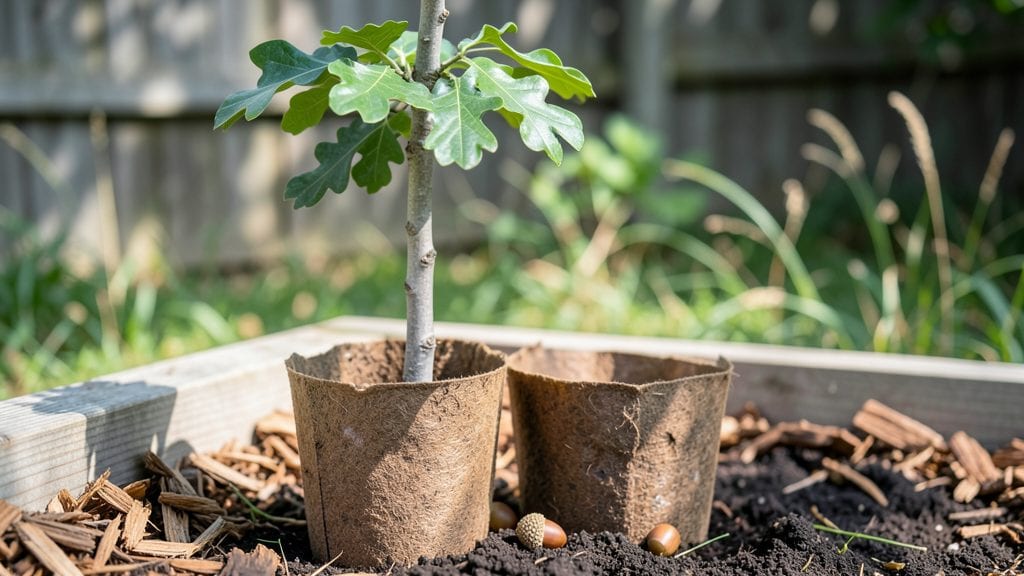
Caring for oak seedlings means betting on a future that could outlast you—and I’ve learned the hard way which mistakes turn that bet into a gamble. 🌱 These delicate young trees need patience, not just attention, especially in their first two years when roots are shallow and leaves are too big for their stems.
The right soil mix, watering rhythm, and protection from deer or drought can mean the difference between a scraggly survivor and a sturdy sapling ready to grow into a 100-foot giant.
Start with well-draining soil that mimics their native woodland conditions—sandy loam with plenty of organic matter—but avoid heavy clay that strangles roots. Water deeply once a week (more in summer heat) rather than daily shallow drinks, and mulch heavily to keep moisture and weeds at bay.
Young oaks hate competition, so clear a 3-foot radius around each seedling before planting. Pruning is minimal at this stage: just remove broken branches or crossing limbs with clean cuts, never more than 10% of the foliage.
By year three, your seedlings should be 3-5 feet tall with a strong taproot—proof you’ve given them the right care. The real payoff comes later: oaks mature slowly but live for centuries, their sprawling branches providing shade and wildlife habitat long after you’ve moved on.
The key is consistency; these trees don’t forgive neglect, but they reward it with resilience that’ll make your neighbors jealous.
Whether you’re growing white, red, or bur oak, the same rules apply—just adjust for your climate. In drought-prone areas, water twice weekly until roots establish; in wet regions, prioritize drainage. The first five years are critical, so don’t rush. Your oak’s future starts with these small, deliberate steps today.
📚 In This Guide
- What you need
- Instructions
- Tips and common mistakes
- Wrapping up and next steps
What you need
- ● Oak seedlings: 1–5 (depending on your goal—start with 1–2 for beginners!)
- ● Well-draining potting mix: 5–10 gallons (look for a blend labeled for acid-loving plants or tree seedlings)
- ● Containers: 3–5 gallon nursery pots (1 per seedling, with drainage holes)
- ● OR a raised garden bed (minimum 12" deep, 3' x 3' for multiple seedlings)
- ● Mulch: 2–3 inches of pine bark fines or wood chips (avoid cedar—it’s toxic!)
- ● Watering can or hose: With a gentle spray nozzle (no high pressure!)
- ● Fertilizer: Slow-release tree-specific fertilizer (e.g., 10-10-10 or 12-4-8 blend)
- ● OR organic options like composted oak leaves or worm castings
- ● Pruning shears: Sharp, sterilized shears (for trimming dead branches or shaping)
- ● Soil pH test kit: To ensure your mix is slightly acidic (pH 5.0–6.5)
- ● Shade cloth: 30–50% coverage for young seedlings in hot climates
- ○ Tree stakes or bamboo supports: For windy areas (optional until seedlings are 2–3 feet tall)
- ● Mycorrhizal fungi: Inoculant powder to boost root health (mix into soil at planting)
- ● Garden gloves: To protect your hands from thorns or rough bark
Step-by-step instructions for oak seedling care
Here's the method I've used to nurture oak seedlings into strong, resilient trees—no guesswork involved.
🌱 Step 1: Prepare the Planting Site
Oak seedlings need well-draining soil with plenty of space to grow. Choose a location with partial shade for the first year, then gradually move to full sun as they mature. Dig a hole twice as wide as the seedling's root ball but only as deep as the container it came in. This prevents burying the trunk too deeply, which can cause rot.
Loosen the soil around the edges of the hole with a garden fork to encourage root spread. Mix in a handful of compost if your soil is heavy clay—oaks hate soggy roots. Water the hole thoroughly before planting to settle the soil and remove air pockets.
💧 Step 2: Plant and Water Deeply
Remove the seedling from its container and gently tease the roots apart if they're circling. Place it in the hole so the top of the root ball sits 1 inch below the soil surface. Backfill with native soil, tamping lightly as you go to eliminate air gaps. Water immediately after planting to help the soil settle around the roots.
Give the seedling 1 gallon of water per week during the first year, more if it's extremely hot or dry. You'll know it's getting enough when the soil feels moist 2 inches down. Mulch around the base with 2-3 inches of organic mulch, keeping it 6 inches away from the trunk to prevent rot.
☀️ Step 3: Protect and Monitor Growth
Young oaks are vulnerable to deer, rabbits, and even curious pets. Install a 6-foot tall tree guard around the seedling to shield it from browsing. Check the guard monthly to ensure it hasn’t collapsed or been chewed through. Prune any broken or crossing branches in early spring to encourage strong growth.
Watch for signs of stress like yellowing leaves or wilting. If you see these, adjust watering—too much causes root rot, while too little leads to drought damage. Oak seedlings grow slowly, so don’t rush them. In 3-5 years, you’ll see noticeable height gains if conditions are right.
✂️ Step 4: Transition to Independence
By year three, your oak should be ready to handle more sunlight. Gradually move it to a sunnier spot over 2-3 weeks to avoid shocking the plant. Reduce watering slightly as the roots grow deeper, aiming for 1 gallon every 10-14 days unless the weather is unusually dry.
Fertilize lightly in early spring with a balanced, slow-release fertilizer if growth seems slow. Oak seedlings don’t need much—overdoing it can harm them. Once established, they’ll thrive with minimal care, but keep an eye out for pests like borers or mites, which can appear if the tree is stressed.
Tips & tricks for perfect oak seedling care
Between us, the difference between a struggling oak and a thriving one often comes down to these small but critical details.
The Hole Depth Secret: When planting, that 1 inch below soil surface rule is non-negotiable. Too deep causes girdling (where roots choke the trunk), while too shallow leaves the roots exposed. Use a pencil to mark the depth on your seedling's container before digging—this visual cue makes all the difference.
Watering Wisdom: The 1 gallon per week guideline is your baseline, but don't rely solely on the calendar. Stick your finger 2 inches down—if it feels dry, water immediately. Oak roots hate soggy conditions but also can't tolerate drought stress. I've lost seedlings both ways, and it's heartbreaking.
Mulch Strategy: That 2-3 inches of organic mulch should look like a donut around your tree—6 inches away from the trunk. Too close causes rot, while too far away lets weeds compete for moisture. Pine straw or wood chips work best—they break down slowly and improve soil structure over time.
Sun Transition Hack: Moving to full sun over 2-3 weeks prevents shock, but here's the trick: do it in stages. Start with morning sun only, then add afternoon sun gradually. I've seen seedlings go from thriving to wilting overnight when moved too quickly—don't make my mistake.
Pro Tips for Oak Seedling Care
- Between us, the difference between a struggling oak and a thriving one often comes down to these small but critical details.
- The Hole Depth Secret: When planting, that 1 inch below soil surface rule is non-negotiable.
- Watering Wisdom: The 1 gallon per week guideline is your baseline, but don't rely solely on the calendar.
Frequently asked questions
How often should I water my oak seedling?
Water your oak seedling deeply but infrequently—about once a week during the first year, depending on rainfall. Overwatering can suffocate roots, while underwatering stresses young trees. Check soil moisture 2-3 inches deep; if dry, water slowly until it drains. Mulch helps retain moisture while reducing evaporation.
When is the best time to plant an oak seedling?
The ideal planting window is late fall to early spring (October–March in most climates), when soil is cool and moist. This gives roots time to establish before summer heat. Avoid planting in extreme heat or drought—oaks are sensitive to transplant shock. If planting in summer, water deeply every 2-3 days and provide shade.
What should I do if my oak seedling leaves are yellowing?
Yellow leaves often signal overwatering, nutrient deficiency, or pests. First, check soil moisture—let it dry slightly between waterings. If the issue persists, test for iron or nitrogen deficiency (common in alkaline soils) and amend with compost or a balanced fertilizer. Inspect for spider mites or aphids; treat with neem oil if needed.
Can I grow an oak seedling from an acorn?
Yes! Cold-stratify acorns (refrigerate in moist sand for 60–90 days) to mimic winter, then plant in well-draining soil. Germination takes 4–6 weeks—be patient! However, store-bought seedlings (like white or red oak) grow faster and have higher survival rates. Acorn-grown oaks may take 10+ years to mature.
How do I protect my oak seedling in winter?
Young oaks need moderate winter protection. Mulch heavily (3–4 inches) around the base (but not touching the trunk) to insulate roots. Avoid wrapping the trunk—it can trap moisture and cause rot. In extreme cold zones, a light burlap wrap can shield against windburn. Prune damaged branches in early spring.
Wrapping up and next steps
Caring for oak seedlings is a rewarding journey that sets the foundation for strong, resilient trees for generations to come. 🌱 By mastering watering consistency, soil health, and seasonal protection, you’re not just nurturing a plant—you’re investing in the future of your landscape.
With patience and the right techniques, your oak seedlings will flourish into majestic giants.
Ready to take the next step? Start small: pick one seedling to monitor closely, document its growth, and refine your approach. Over time, you’ll build the confidence to expand your oak forest—one seedling at a time! 🌳