
Diseases
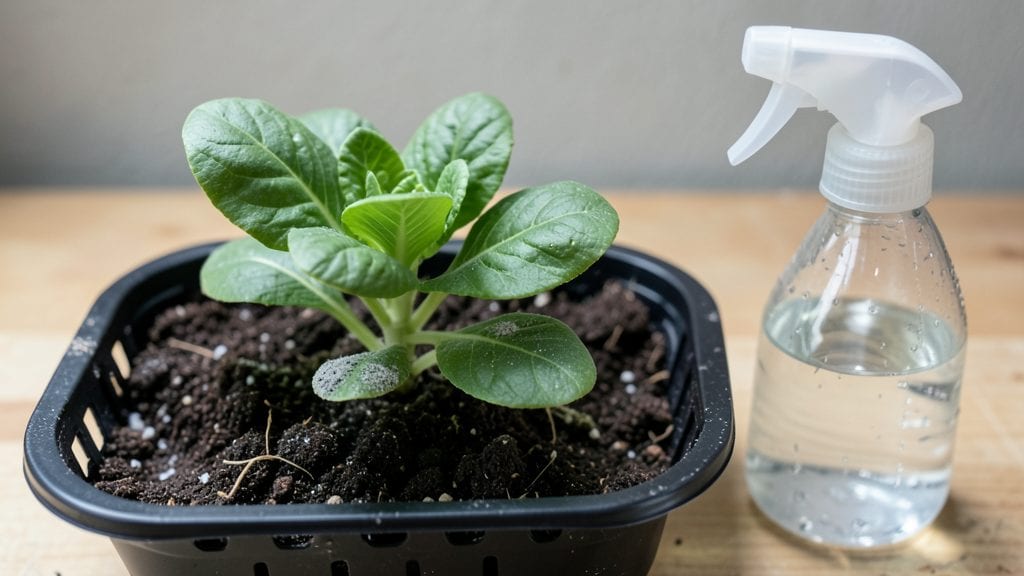
Seeing fuzzy gray mold creeping across your seedlings is every gardener’s worst nightmare—but there’s a quick fix that can turn this around before you lose your whole tray. 🌱 I’ve pulled back from the brink more times than I’d like to admit, and the key is acting fast with the right steps.
The culprit is almost always damp conditions—whether from overwatering, poor airflow, or even contaminated soil. That fuzzy mold? It’s usually powdery mildew or damping-off fungus, and it spreads faster than you think.
The good news is that catching it early means you can save most of your seedlings with simple adjustments.
Within 24 hours, you can stop the spread by spacing seedlings wider, reducing water, and adding a light fungicide spray. I’ve used a mix of 1 part milk to 9 parts water (yes, really) and seen results in just a few days.
The goal is to dry out the leaves and cut off the mold’s food source.
Prevention is even easier: sterilize your tools, use fresh potting mix, and avoid crowding. Once you’ve got the mold under control, your seedlings will bounce back stronger than ever—ready to grow into healthy, thriving plants. Let’s get them back on track.
The Hidden Triggers Behind Seedling Mold
Mold on seedlings isn’t just a random bad luck scenario—it’s a sign your plants are dealing with unfavorable conditions. Understanding the root causes helps you prevent it before it strikes. Here’s why mold creeps in and ruins your sprouts:
Mold thrives in wet, stagnant environments—think of it as the fungal equivalent of a swamp. Seedlings are especially vulnerable because their tiny leaves and shallow root systems can’t handle excess water efficiently. Here’s how it happens:
- Overwatering: When soil stays soggy for days, oxygen gets crowded out, and Pythium or Phytophthora (water molds) take over, smothering roots and stems.
- Poor drainage: Containers without drainage holes trap water, creating the perfect mold buffet. Even "well-draining" mixes can compact over time, suffocating roots.
- High humidity: A greenhouse or sealed propagator with <60% humidity? Mold spores love it. They latch onto damp seedling surfaces and spread like wildfire.
💡 Pro Tip: Let the top inch of soil dry between waterings. If your fingers come out damp after pressing into the soil, hold off.
Stale air is mold’s best friend. Without airflow, condensation forms on seedlings, and spores linger instead of dispersing. Here’s the science:
- Static air traps heat and moisture: Warm, humid air near seedlings creates a microclimate where mold spores germinate faster. Think of it like a sauna for fungi.
- Overcrowded trays: Seedlings competing for space block airflow. Leaves brush against each other, spreading spores through physical contact.
- Sealed growing setups: Plastic domes or bags without ventilation turn your seedlings into a fungal petri dish.
🌡️ Fix It: Use a small fan on low speed (just enough to rustle leaves) or prop open lids for 10–15 minutes daily to refresh air.
Healthy seedlings resist mold better because their natural defenses (like cuticle layers on leaves) stay intact. Stress weakens them, opening doors for mold:
- Nutrient deficiencies: Lack of nitrogen or phosphorus slows growth, making seedlings soft and susceptible to fungal invasion.
- Temperature swings: Cold stress (below 60°F) or heat shock (above 85°F) damages cell walls, giving mold easy entry points.
- Transplant shock: Moving seedlings too soon after germination disrupts root systems, leaving them defenseless against pathogens.
💡 Pro Tip: Start with sterile, nutrient-rich soil (like seed-starting mix) and avoid cold drafts or direct sunlight until seedlings are 2–3 inches tall.
Mold spores are everywhere, but they only cause problems when introduced to the right conditions. Here’s how they hitch a ride:
- Reused or unsterilized soil: Old potting mix, compost, or garden soil may harbor Rhizoctonia or Fusarium spores, which lie dormant until seedlings arrive.
- Dirty tools or hands: Watering cans, tweezers, or gloves contaminated from previous moldy batches transfer spores to new seedlings.
- Infected seed coats: Some seeds carry mold spores on their surface, especially if stored in damp conditions.
🔥 Prevent It: Sterilize soil by baking it at 180°F for 30 minutes or use hydrogen peroxide (3%) (1 part peroxide to 10 parts water) to disinfect tools.
Now that you know the why, the next step is fixing it fast—before mold claims your crop. 🚀
Quick Fixes for Fungal Seedling Woes
Fungal spores on seedlings can feel like a gardener’s nightmare, but don’t toss those tiny plants just yet! The good news? Most mold issues are treatable with simple, natural solutions—if you act fast.
Below, we’ve mapped out practical fixes based on the most common causes, plus prevention tips to keep your seedlings thriving. Let’s turn that moldy mess into healthy green growth in no time.
Problem: Seedlings packed too tightly trap moisture, creating a fungal paradise. Fix:
- 🔪 Thin the seedlings – Use clean scissors to snip off weaker sprouts, leaving only the strongest 1–2 per container. Space them 1–2 inches apart (or follow seed packet guidelines).
- 🌬️ Boost airflow – Place a small fan on low (4–6 inches away) for 1–2 hours daily to dry surfaces faster. Avoid direct blasts, which can stress delicate stems.
- ⏰ Prune leaves – If lower leaves touch damp soil, trim them to improve airflow.
💡 Pro Tip: Use perforated seed trays or paper pots to allow excess moisture to escape.
Problem: Overwatering or soggy soil creates the perfect mold buffet. Fix:
- 💧 Water less, but deeper – Let the top ½ inch of soil dry out between waterings. Use a spray bottle for gentle misting instead of drowning them.
- 🧼 Sterilize tools – Rinse containers and tweezers with 1 part hydrogen peroxide (3%) to 4 parts water to kill lingering spores.
- 🌡️ Bottom-water when possible – Place trays in a shallow dish of water for 10–15 minutes, then drain excess. This prevents surface moisture buildup.
✨ Prevention Hack: Add a thin layer of perlite or sand to the soil mix to improve drainage.
Problem: Visible mold (like Pythium or Fusarium) needs a stronger intervention. Fix:
- 🍅 Homemade fungicide spray – Mix 1 tsp baking soda + 1 quart water + a few drops of dish soap. Spray early morning (avoid leaves if possible). Reapply every 3–4 days.
- 🌿 Copper-based solutions – Use copper fungicide (like Bonide Copper Fungicide) as directed. It’s non-toxic and effective against many fungal pathogens.
- 🧴 Neem oil treatment – Combine 1 tsp neem oil + 1 tsp mild soap + 1 quart water. Spray once a week until mold clears. Test on a few leaves first—neem can be harsh.
🔥 Emergency Move: If mold spreads fast, transplant affected seedlings into fresh, sterile soil and isolate them until recovered.
Problem: Heat + humidity = mold party. Fix:
- 🌡️ Adjust temperature – Keep seedlings in 65–75°F during the day. Avoid placing them near heat vents or direct sunlight (which can overheat).
- 💨 Increase ventilation – Open windows or use a small exhaust fan to reduce humidity. Aim for 40–60% humidity—use a hygrometer to monitor.
- 🌿 Reduce condensation – If using a seedling heat mat, elevate trays slightly to prevent moisture buildup underneath.
🎯 Prevention Tip: Use dehumidifiers or silica gel packs in grow tents to absorb excess moisture.
Problem: Contaminated or nutrient-heavy soil fuels mold growth. Fix:
- 🔥 Sterilize soil – Bake potting mix in the oven at 200°F for 30 minutes to kill spores, or use commercial seed-starting mix (sterile and lightweight).
- 🍃 Add compost tea – Brew 1 cup worm castings + 5 gallons water, let steep for 24 hours, then strain. Use this to flush the soil (water lightly, then drain).
- 🚫 Avoid over-fertilizing – Wait until seedlings have 2 true leaves before adding fertilizer. Use a diluted, organic fertilizer (like fish emulsion at ½ strength).
💡 Quick Reset: If soil is severely moldy, repot seedlings into fresh, sterile mix.
- ✅ Start with sterile seeds – Buy from reputable suppliers or soak seeds in hydrogen peroxide (1%) for 5 minutes before planting.
- ✅ Use clean containers – Wash trays with soapy water and rinse with rubbing alcohol to kill spores.
- ✅ Rotate trays – Move seedlings every few days to ensure even light exposure and airflow.
- ✅ Monitor humidity – Group trays on elevated racks or use pebble trays (place pots on pebbles with water below to increase airflow).
Remember: The key to beating mold is early action + prevention. With these fixes, your seedlings will bounce back—and you’ll be one step closer to a lush, mold-free garden! 🌱💪
Frequently asked questions about fungal issues on young plants
Why does mold appear so fast on seedlings?
Seedlings are especially vulnerable because their tiny leaves and shallow roots can't handle excess moisture well. Mold spores thrive in damp, stagnant air—often spreading within 24-48 hours when conditions are right. The fuzzy growth you see is usually powdery mildew or damping-off fungus, which feed on organic matter and spread through water droplets.
Can I save seedlings with mold if they're already wilted?
It depends on how far the mold has spread. If only the stem base is affected, you can try cutting above the mold line and replanting in fresh, sterile soil. For widespread mold, the safest option is to remove affected seedlings immediately to prevent contamination. Healthy seedlings often recover within 3-5 days with proper care and fungicide treatment.
Is it safe to use milk spray for moldy seedlings?
Yes! A 1:9 milk-to-water spray is a proven natural fungicide that disrupts mold spores. Mix 1 part milk with 9 parts water and apply lightly to affected areas (avoid soaking leaves). Reapply every 3-4 days until the mold clears. The lactic acid in milk creates an unfavorable environment for fungal growth while being completely safe for plants.
How do I know if my seedlings have mold or just need more light?
Mold appears as fuzzy white, gray, or black growth on leaves, stems, or soil surface, while light deprivation causes seedlings to grow tall and leggy with pale yellow leaves. Check the soil first—if it's damp and smells musty, that's a sure sign of mold. Healthy seedlings should have firm stems and dark green leaves when properly lit.
Will plastic domes actually make my seedlings moldy?
Yes, they can if not used properly. While plastic domes help retain humidity for germination, leaving them sealed creates the perfect mold environment. Always remove domes for 10-15 minutes daily once seedlings emerge to allow fresh air circulation. Use them only during the germination phase, then switch to open trays with proper ventilation.