
Diseases
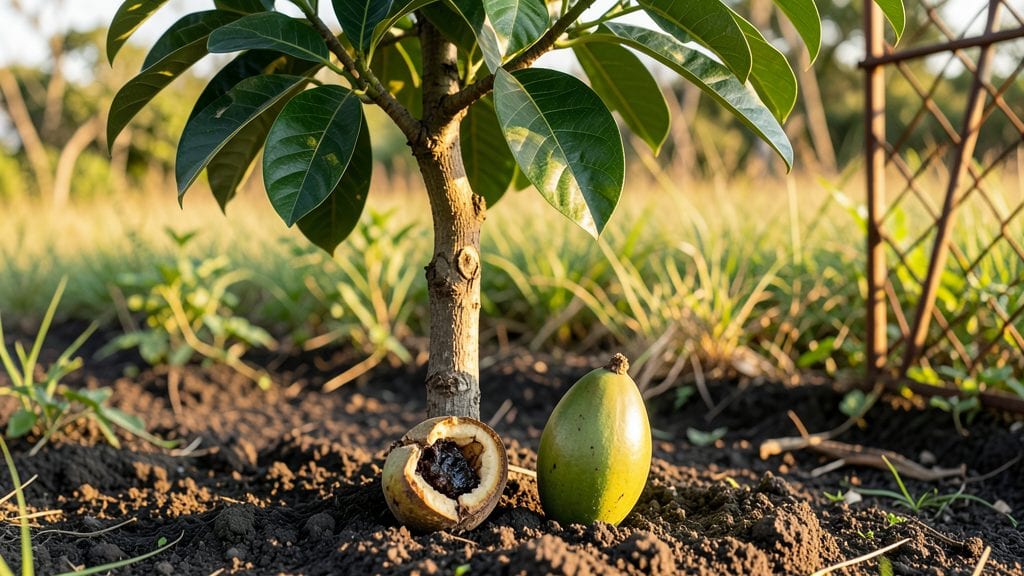
Mango seed rot turns healthy seedlings into blackened mush overnight. 🌱 I’ve watched dozens of promising mango starts collapse from this sneaky fungal infection, and I learned the hard way how to stop it before it ruins your entire crop.
The key isn’t just catching it early—it’s preventing it from taking hold in the first place.
This problem thrives in damp, warm conditions where seeds sit too long before sprouting. You’ll spot it as dark, mushy spots on the seed or seedlings that wilt without warning.
The good news? A few simple adjustments—like sterilizing seeds, controlling moisture, and using organic fungicides—can save your next batch. No more wasted effort or heartbreak over failed starts.
Once you understand the root causes, you’ll spot the warning signs before they spread. We’re talking about sterilized seeds, proper drainage, and even homemade remedies that work just as well as store-bought sprays.
Your seedlings will grow strong, and you’ll finally get those lush mango trees you’ve been dreaming of.
Whether you’re dealing with a current outbreak or just want to protect future plants, these steps work for both indoor starts and outdoor nurseries. Let’s turn this problem into a lesson for a thriving mango garden.
Root Causes Of Seed Decay
Understanding why mango seed rot occurs is the first step in preventing it. This fungal and bacterial disease thrives under specific conditions, attacking the seed’s inner tissues and causing irreversible damage. Below, we break down the key factors that create the perfect storm for seed decay.
Mango seeds are highly sensitive to waterlogging. When stored or planted in overly damp conditions, excess moisture triggers the growth of **fungi like Fusarium and Aspergillus, which feast on the seed’s starch-rich tissues.
Poor drainage—whether from heavy clay soil or improperly drilled planting holes—traps water around the seed, accelerating rot.
Why it happens:
- Oxygen deprivation: Water fills air pockets in soil, suffocating the seed and creating anaerobic conditions where harmful microbes thrive.
- Fungal spores activate: Many seed-rotting fungi lie dormant in soil until moisture levels rise above 30-40%. Once active, they produce enzymes that break down cell walls.
- Bacterial blooms:** Bacteria like Erwinia multiply rapidly in stagnant water, producing toxins that soften the seed’s structure.
Actionable insight: 💡 Use well-draining soil mixes (sand + coconut coir) and avoid overwatering. If planting, ensure holes are at least 12 inches deep with a slight slope to redirect excess water.
Mango seeds often carry latent infections from the fruit itself or from contaminated growing media.
Pathogens like Phytophthora (a water mold) or Colletotrichum (anthracnose) can lurk in: - Infested soil (from previous infected trees or weeds). - Dirty pruning tools (cross-contamination between healthy and diseased plants). - Improperly sterilized pots (reusing containers without cleaning).
Why it happens:
- Seed coat breaches: Even minor cracks or abrasions during harvest expose the seed’s interior to pathogens.
- Spores hitchhike: Fungal spores attach to tools, hands, or watering cans, then colonize the seed when conditions are favorable.
- Weakened defenses: Stressed seeds (from poor storage or drought) have lower resistance to invaders.
Actionable insight: ✨ Sterilize tools with 70% isopropyl alcohol before handling seeds. Use fresh, pasteurized soil (bake at 180°F for 30 minutes) or hydroponic growing media to reduce pathogen loads.
Mango seeds thrive in stable, warm conditions (75–85°F). Extreme heat or cold shocks disrupt their metabolic processes, making them vulnerable to rot.
For example: - Cold storage damage: Refrigerating seeds below 50°F halts germination and invites fungal growth. - Heat stress: Temperatures above 90°F for prolonged periods denature enzymes, weakening the seed’s natural defenses.
Why it happens:
- Enzyme dysfunction: Critical germination enzymes (like α-amylase) become inactive in unstable temps, leaving the seed unable to fend off pathogens.
- Condensation buildup: Rapid temperature swings create moisture pockets inside storage containers, mimicking the damp conditions fungi love.
- Physiological stress: Stressed seeds produce less antimicrobial compounds (e.g., phytoalexins), making them easier targets.
Actionable insight: 🌡️ Store seeds in a consistent 70–75°F environment with 50–60% humidity. Use seed germination mats (like those for chili peppers) to maintain warmth without overheating.
Mango seeds are often damaged during extraction, creating entry points for rot-causing microbes.
Common mistakes include: - Bruising the seed: Using a knife or hammer to crack open the fruit can puncture the seed coat. - Delayed planting: Seeds left exposed to air or moisture for more than 24 hours after harvest dry out unevenly, inviting mold. - Contaminated water: Rinsing seeds with untreated water spreads bacteria and fungal spores.
Why it happens:
- Physical trauma: Cracks allow water and pathogens to penetrate directly into the seed’s vascular tissue.
- Osmotic imbalance: Uneven moisture loss causes the seed to shrink, creating gaps where microbes can colonize.
- Surface contamination: Sap and fruit residue on the seed provide a nutrient-rich film for microbial growth.
Actionable insight: 🔪 Use a clean, sterilized blade to split mangoes along the seed’s natural seam. Plant within 6 hours of extraction, and rinse seeds with hydrogen peroxide (3%) for 2 minutes to disinfect.
A healthy mango seed has stored nutrients (carbohydrates, proteins, and antioxidants) to fuel germination. When these reserves are depleted—due to poor fruit maturity or improper storage—the seed becomes defenseless against rot.
Why it happens:
- Underripe fruit: Seeds from unripe mangoes lack full nutrient reserves, making them metabolically weak.
- Dried-out seeds: Seeds left to dry excessively lose germination viability and structural integrity.
- Imbalanced storage: High humidity without airflow causes nutrient leaching, while low humidity leads to oxidative stress.
Actionable insight: 📊 Select fully ripe mangoes (yellow skin with slight give) for seed extraction. Store seeds in a paper towel-lined container with moisture-retaining gel (like a seed starter kit) to preserve nutrients.
Mango seeds planted near infected citrus, avocado, or guava trees can contract rot from shared soil pathogens. Some fungi (like Phytophthora palmivora) are host-jumping specialists, meaning they can infect multiple fruit species.
Why it happens:
- Shared water sources: Drip irrigation or overhead watering splashes spores from diseased plants onto mango seeds.
- Root grafts: In dense orchards, roots may physically connect, allowing pathogens to spread underground.
- Windborne spores: Fungal spores can travel miles on wind currents, landing on fresh seed beds.
Actionable insight: 🌳 Isolate young mango trees from other fruit crops for the first 6–12 months. Use drip irrigation (not overhead) to minimize spore dispersal.
Fixing Blackened Seeds in Mango Trees
Now that you know the causes behind those unsightly blackened seeds, let’s tackle the problem head-on with actionable solutions. Whether your tree is struggling with fungal infections, poor drainage, or pest damage, these fixes will help restore health and prevent further rot.
Below, we’ve mapped out targeted remedies based on the most common culprits—plus prevention tips to keep your tree thriving.
Fungal diseases like Colletotrichum (anthracnose) or Lasiodiplodia (stem end rot) thrive in damp, warm conditions. Here’s how to combat them:
🔥 Remove and Dispose of Infected Fruit
- Step 1: Pick all fruit showing signs of rot (blackened seeds, sunken lesions, or moldy patches).
- Step 2: Bag the infected fruit in a plastic bag and dispose of it far from the tree (not in compost).
Fungal spores can survive in soil or mulch. - Step 3: Sterilize pruning tools with 70% rubbing alcohol or a 10% bleach solution (1 part bleach to 9 parts water) between cuts to prevent spreading spores.
🌡️ Apply Fungicidal Sprays
- Best options:
- Copper-based fungicides (e.g., Bordeaux mixture) – effective against anthracnose.
- Neem oil (1% solution) – natural antifungal and antiparasitic.
- Sulfur sprays – works well for stem end rot (apply in early morning or late evening to avoid burning leaves).
- How to apply:
- Spray every 7–14 days during rainy seasons or when humidity is high.
- Cover both sides of leaves, branches, and the trunk thoroughly.
- Pro tip: 💡 Add a sticker spray (like horticultural oil) to help the fungicide adhere better in wet conditions.
🌬️ Improve Air Circulation
- Prune to open up the canopy—remove crossing branches, dead wood, or overly dense foliage.
- Space trees at least 15–20 feet apart if replanting to reduce humidity buildup.
Waterlogged roots create the perfect breeding ground for rot. Fix these issues to save your tree:
🏗️ Amend the Soil
- Test your soil for drainage—stick a shovel in the ground after watering.
If water pools after 30 minutes, drainage is poor. - Add organic matter: - Mix in compost, coconut coir, or perlite to loosen heavy clay soil. - For sandy soil, incorporate peat moss or well-rotted manure to retain moisture without suffocating roots. - Raise the planting area slightly (6–12 inches) if your yard floods frequently.
⏰ Adjust Watering Practices
- Water deeply but infrequently—mango trees prefer 1–2 inches of water per week (more in extreme heat).
- Avoid overhead watering (use drip irrigation or soaker hoses) to keep leaves dry and reduce fungal spores.
- Check for waterlogging:
- Dig a small hole near the trunk—if the soil stays soggy for days, install drainage tiles or a French drain around the root zone.
🌱 Mulch Strategically
- Apply 2–4 inches of organic mulch (straw, wood chips) away from the trunk (keep 6 inches of bare soil around the base).
- Avoid wet mulch—it traps moisture. Opt for dry, coarse mulch in humid climates.
Pests weaken trees, making them susceptible to rot. Here’s how to evict them:
🔪 Prune and Treat Infested Branches
- Look for:
- Sawdust-like frass (borer droppings).
- Holes in bark or oozing sap (signs of weevils).
- White, cottony patches (scale insects).
- Cut out and burn heavily infested branches. Seal larger wounds with pruning paint to prevent entry.
🍳 Use Natural or Chemical Pesticides
- For borers:
- Neem oil (spray into holes) or beneficial nematodes (Steinernema carpocapsae).
- Systemic insecticide (e.g., imidacloprid) for severe cases—follow label instructions.
- For weevils/scale:
- Horticultural oil (dormant season) or insecticidal soap (for active infestations).
- Release predatory insects like ladybugs or parasitic wasps for biological control.
🌿 Strengthen Tree Health
- Fertilize with a balanced NPK fertilizer (e.g., 6-6-6) in early spring to boost immunity.
- Avoid over-fertilizing with nitrogen—it encourages soft, pest-attracting growth.
Once your tree recovers, prevent recurrence with these habits:
- 🌡️ Monitor humidity – Use a hygrometer to keep levels below 70% in the growing season.
- 🍃 Sanitize tools – Clean pruners after every use to prevent disease spread.
- 🌱 Plant resistant varieties – Some mango cultivars (e.g., Keitt, Kent) are less prone to seed rot.
- 🔄 Rotate fungicides – If you use chemicals, alternate between copper, sulfur, and neem to avoid resistance.
- 🌿 Encourage beneficial microbes – Apply mycorrhizal fungi or compost tea to improve root health.
By tackling the root cause—whether it’s fungus, pests, or poor drainage—you’ll give your mango tree the best shot at recovery. Consistency is key: combine treatments with preventive care, and you’ll enjoy healthy fruit (and seeds!) for seasons to come. 🌳🍈
Frequently asked questions
Why do my mango seeds turn black and mushy so quickly?
Blackened, mushy mango seeds are usually caused by fungal infections like Fusarium or Aspergillus, which thrive in damp, warm conditions. These fungi attack the seed’s starch-rich tissues when moisture levels exceed 30-40% or when seeds sit too long in poorly draining soil. Oxygen deprivation from waterlogging also speeds up decay.
Can I still use seeds from a moldy mango?
No—never use seeds from moldy or rotting fruit. The mold spores can contaminate healthy seeds during extraction, ensuring the same rot will spread. Always select fully ripe, firm mangoes (yellow skin with slight give) and extract seeds within 6 hours of harvest to maintain viability and reduce contamination risks.
What’s the best way to sterilize mango seeds before planting?
Rinse seeds in a 3% hydrogen peroxide solution for 2 minutes to kill surface pathogens, then rinse with clean water. For extra protection, soak them in 1% neem oil solution for 10 minutes before planting. Always use sterilized soil (bake at 180°F for 30 minutes) or pasteurized coconut coir to prevent fungal reinfection.
How do I know if my seedlings have seed rot vs. normal wilting?
Seed rot causes dark, water-soaked spots that spread rapidly, while wilting from drought shows brown, crispy edges without softening. Dig up the seedling—if it smells foul or the stem feels mushy when pressed, it’s rot. Healthy seedlings have firm, white roots and no discoloration. Act fast with fungicide if you spot these signs!
Will overwatering my mango tree cause seed rot in future fruit?
Yes—excessive watering creates the perfect conditions for fungal spores to thrive in the soil, which can infect developing seeds inside the fruit. Always water deeply but infrequently (1-2 inches per week) and use drip irrigation to keep leaves dry. Monitor soil moisture with your finger—if the top 2 inches are damp, wait before watering again.