
Lawn
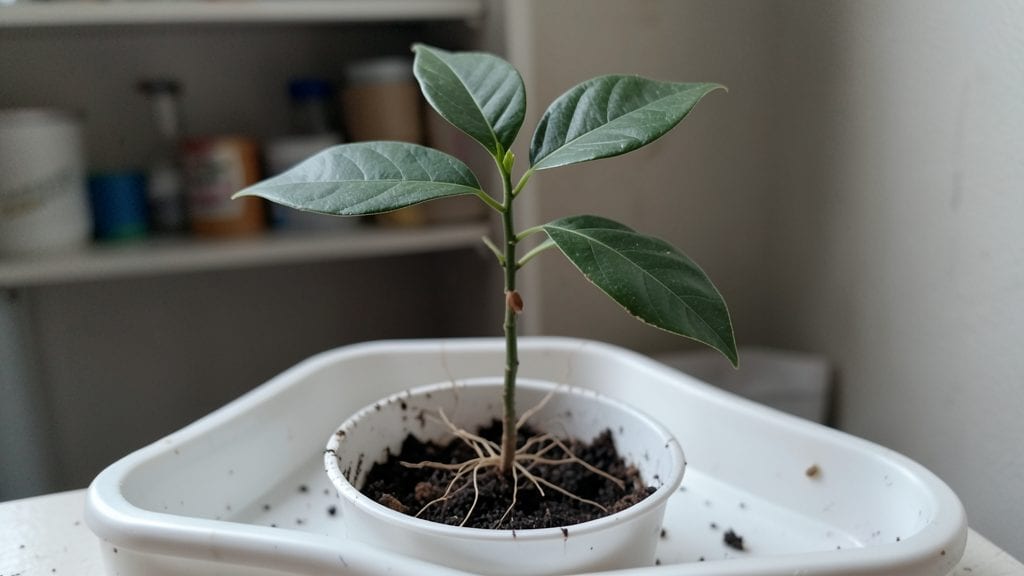
That mango seed root growing into a tree is one of the most satisfying gardening projects you’ll ever start—it’s like watching a tiny tropical miracle unfold from your kitchen counter. 🌱 I’ve grown three from pits, and each time, the slow emergence of that first root feels like uncovering a secret.
The key isn’t rushing it; it’s giving the seed the right conditions to wake up on its own timeline.
You’ll need just a few things: a clean mango pit, a small container, moist paper towels or a seed-starting mix, and patience—this isn’t a race. The seed might take weeks to crack open, but once that root appears, it’s a game-changer.
Most people quit too soon; stick with it, and you’ll have a 3-inch root in about a month, ready for its first soil adventure.
What you end up with is a lush, slow-growing sapling that’ll reward you with glossy leaves and maybe—if you’re lucky—tiny mangoes someday. The real magic happens when you transplant it outdoors in warm climates, where it’ll grow into a tree that steals the show.
Every stage feels like a milestone, from that first root to the day it outgrows its pot.
Here’s the thing—this project works best in zones 10-12, but even indoor growers can keep their mango tree alive for years with bright light and careful watering. The challenges? Root rot from overwatering or impatience. The payoff? A living piece of the tropics, grown from something you’d normally toss.
📚 In This Guide
- What you need
- Instructions
- Tips and common mistakes
- Wrapping up and next steps
What you need
- ● Mango seed: 1 fresh, viable seed (from a ripe, organic mango—avoid seeds from store-bought fruit if possible).
- ○ Small pot or container: 1 (4–6 inches deep) with drainage holes. Optional: A clear plastic cup or propagator for humidity control.
- ● Well-draining potting mix: 1 bag (focus on organic, peat-free blends or coconut coir for tropical plants).
- ● Watering can or spray bottle: 1 (for gentle hydration).
- ● Plastic wrap or humidity dome: 1 sheet (to retain moisture during germination).
- ● Grow lights or sunny windowsill: Access to bright, indirect light (6+ hours daily).
- ● Scissors or knife: 1 (for trimming the seed if needed).
- ● Spray bottle with water: 1 (for misting).
- ○ Fertilizer (optional): Balanced liquid fertilizer (diluted to half-strength) for seedlings after 4–6 weeks.
- ● Larger pot (1–2 gallons): 1 (for transplanting once roots establish).
- ● Mulch or pebbles: Small amount (to retain soil moisture).
Step-by-Step instructions for growing a mango tree from seed
Here's how to turn that grocery store mango pit into a thriving tropical tree.
🌱 Step 1: Extract and Prepare the Seed
Start with a fresh mango pit—never dried or old seeds. Rinse it thoroughly under running water to remove any remaining fruit pulp, then let it dry completely for 24 hours. I like to place it on a paper towel in a warm spot until it's bone dry to the touch.
Use a sharp knife to carefully cut the pit lengthwise, exposing the single seed inside. The seed should be white and firm—if it's brown or shriveled, it won't germinate. Remove the seed and soak it in warm water for 24 hours before planting. This softens the outer shell and speeds up germination.
🪴 Step 2: Plant the Seed in a Moist Growing Medium
Fill a small container—like a 4-inch pot—with well-draining potting mix. I press the mix down lightly so it's firm but still loose enough for roots to penetrate. Moisten it until it feels damp like a wrung-out sponge, but not soggy.
Plant the seed 1 inch deep, placing it horizontally with the pointed end facing downward. This mimics its natural position in the ground. Cover it lightly with more potting mix, leaving just the top visible. Water gently until the soil feels evenly moist throughout.
☀️ Step 3: Provide Warmth and Humidity for Germination
Mango seeds need warmth to sprout—place the pot in a spot with 75-85°F temperatures, like near a sunny window or on top of a refrigerator. Cover the pot with a clear plastic bag or humidity dome to trap moisture and create a mini greenhouse effect.
Check the soil daily—it should stay evenly moist but never waterlogged. Germination can take 2-6 weeks, depending on warmth and humidity. You'll know it's working when you see a tiny sprout emerging from the seed. Once it reaches 1-2 inches tall, remove the plastic to let it acclimate to normal air.
🌿 Step 4: Transplant and Care for the Seedling
When the seedling grows its first true leaves (not the initial seed leaves), it's ready to move to a slightly larger pot—6 inches in diameter—with fresh potting mix. Gently loosen the roots and place it in the new container, covering them with soil up to the base of the stem.
Place the seedling in bright, indirect light for the first week to help it adjust. After that, introduce it to morning sun gradually. Water when the top inch of soil feels dry, but avoid overwatering—mango seedlings are sensitive to root rot. Keep the soil consistently moist but never soggy.
⏰ Step 5: Monitor Growth and Prepare for Long-Term Care
As the seedling grows, you'll notice new leaves forming in a spiral pattern. This is a good sign! Once it reaches 12 inches tall, it's time to fertilize lightly with a balanced, water-soluble fertilizer diluted to half strength. Apply it every 4-6 weeks during the growing season.
Mango trees love warmth and humidity, so if you live in a cooler climate, keep it indoors near a sunny window or under grow lights for 12-14 hours daily. With patience, your seedling could grow into a small tree in 3-5 years, though it won't bear fruit for 5-10 years—so enjoy the journey!
Tips & tricks for growing a mango tree from seed
Transforming a simple mango pit into a thriving tree takes patience and the right approach—here's how to maximize your success.
Seed Selection Matters: Always choose a fresh, firm mango pit with no cracks or brown spots. The seed inside should be completely white—any gray or brown discoloration means it's past its prime. I've learned the hard way that dried or old seeds rarely germinate, no matter how carefully you follow the rest of the steps.
Soaking Strategy: The 24-hour soaking time in Step 1 is crucial for breaking down the seed's hard outer shell. Use warm (not hot) water and change it after 12 hours to prevent bacterial growth. I place the seed in a small jar with a lid, giving it a gentle shake every few hours to keep the water circulating around it.
Temperature and Light Balance: Maintaining that 75-85°F range in Step 3 is non-negotiable for germination. If your home runs cooler, consider using a seedling heat mat underneath the pot. Once your sprout reaches 1-2 inches, transition it to bright indirect light—direct sun at this stage can scorch delicate new leaves. I use a grow light on a timer for the first few weeks to give consistent light without risking sunburn.
Transplanting Timing: Wait for those first true leaves (not the initial seed leaves) before moving to a 6-inch pot in Step 4. These true leaves indicate the seedling has established its own energy production system. When transplanting, handle the roots gently—mango seedlings are surprisingly fragile. I find using a small hand trowel helps loosen the roots without damaging them.
Pro Tips for Mango Seed Root
- Transforming a simple mango pit into a thriving tree takes patience and the right approach—here's how to maximize your success.
- Seed Selection Matters: Always choose a fresh, firm mango pit with no cracks or brown spots.
- Soaking Strategy: The 24-hour soaking time in Step 1 is crucial for breaking down the seed's hard outer shell.
Frequently asked questions
Got questions about growing a mango seed root?
You’re not alone! Here are answers to the most common queries to help you nurture your tropical tree from that humble kitchen scrap.
How long does it take for a mango seed to sprout?
A mango seed typically sprouts within 2–4 weeks if kept in warm, moist conditions. Place it in a sunny spot (or under a grow light) and maintain consistent moisture—patience is key! If nothing happens after 6 weeks, try gently checking for rot or adjusting humidity.
Can I plant the mango seed root directly in soil?
No—never skip the water phase! The seed needs 2–4 weeks of root development in water before transplanting. Direct soil planting risks rot or stunted growth. Once roots reach 1–2 inches, transfer it to a pot with well-draining soil (like a mix of potting soil and perlite).
What if my mango seed root turns yellow or mushy?
Yellowing or mushiness signals overwatering or rot. Let the water sit in a shallow dish (not submerged) and change it every 2–3 days. If the seed smells foul or feels soft, trim any rotten parts with sterile scissors and replant in fresh water or soil. Keep it in bright, indirect light to prevent further decay.
How big should my mango seedling be before moving it outside?
Wait until your seedling has 3–5 leaves and a sturdy stem (6+ inches tall) before outdoor exposure. Start with partial shade for a week, then gradually introduce full sun. Harden it off slowly to avoid shock—think of it like giving your plant a tropical vacation!
Will my mango tree actually produce fruit?
Most homegrown mango trees from seeds take 5–10 years to bear fruit—and even then, it may not match grocery-store varieties. For faster results, graft a known cultivar onto your seedling. If you’re just growing for fun, enjoy the lush foliage and the journey!
Pro Tip:
Label your seedling! Mango trees can take years to mature, and without a tag, you might forget which delicious mango inspired your tiny green friend.
Wrapping up and next steps
Growing a mango seed root from a kitchen scrap isn’t just rewarding—it’s a gateway to your own tropical oasis! 🌱 With patience, the right tools, and a little love, you’ll nurture a thriving tree in just three months.
Whether you’re drawn to its lush foliage, fragrant blossoms, or the dream of homegrown mangoes, every step you take brings you closer to that sweet success.
Ready to take the next step? Start small—plant your seedling in a sunny spot, keep it hydrated, and watch it grow! Share your progress with fellow plant enthusiasts or even gift your tree to inspire others. The journey begins with one seed—what will yours bloom into? 🌿✨