Vegetables
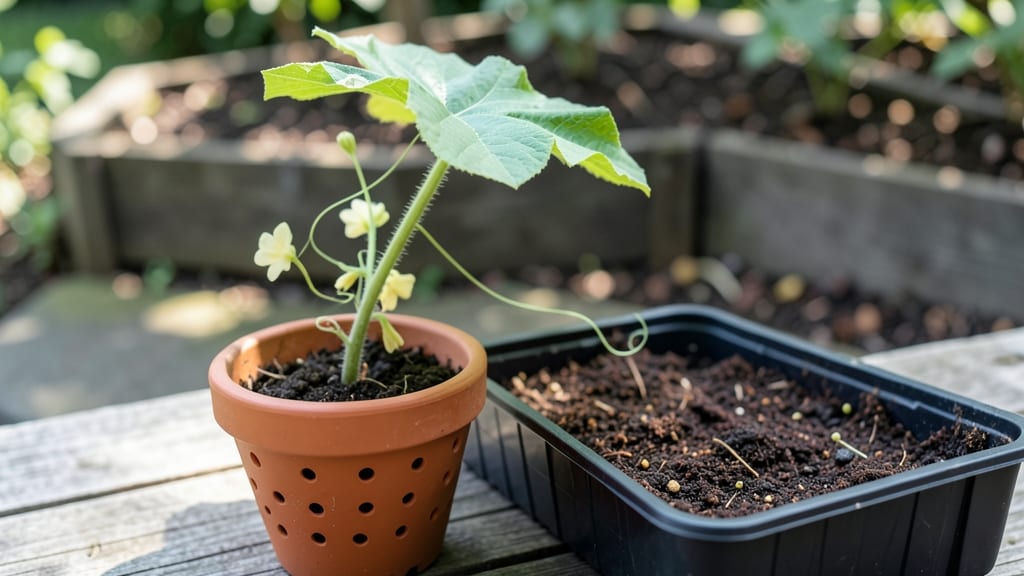
Luffa gourd seedlings sprout in just 3-5 days—faster than most vegetables—because they thrive in warm soil and love humidity. 🌱 I’ve watched mine crack through the soil like tiny green rockets, and once they get going, they grow aggressively into a living privacy screen by summer.
The key is starting them early indoors or in a greenhouse so they’re ready when temperatures stay above 70°F consistently.
You’ll need seed-starting mix (not garden soil), small pots or a seed tray, and a heat mat if your home stays cool. Luffa seeds are large and easy to handle, but they demand warmth—80-90°F is ideal for germination.
I’ve found that placing pots near a sunny window or under grow lights speeds things up, and keeping the soil damp (not soggy) prevents rot. Most beginners overwater at this stage, which is the fastest way to lose seedlings.
Once sprouted, your luffa seedlings will grow 2-3 inches per week if given enough sunlight and space. They’re heavy feeders, so dilute a balanced fertilizer when true leaves appear.
The real magic happens when you transplant them outdoors after the last frost, where they’ll climb trellises or fences like jungle vines. By late summer, you’ll have a 10-foot-tall green wall that’s both functional and stunning.
This method works in zones 8-11, but even cooler climates can grow luffa in containers moved indoors during winter. The secret to success? Patience with early care—those first few weeks determine whether you end up with a thriving screen or a sad pile of wilting stems.
Let’s get those seeds sprouting!
📚 In This Guide
- What you need
- Instructions
- Tips and common mistakes
- Wrapping up and next steps
What you need
- ● Luffa gourd seeds – 50-100 seeds (choose heirloom or organic varieties for best results).
- ● Seed-starting mix – 10-15 lbs (lightweight, well-draining potting soil with perlite or coconut coir).
- ● Seed trays or biodegradable pots – 50-100 small cells (2-3 inches deep) or 10-20 4-inch pots.
- ● Grow lights or sunny windowsill – 12-16 hours of light daily (south-facing window or LED grow lights).
- ● Watering can or spray bottle – For gentle moisture control.
- ● Plant labels & marker – To track germination dates and varieties.
- ○ Heat mat (optional) – For faster germination (70-80°F range).
- ● Humidity dome or plastic wrap – To retain moisture until sprouts appear.
- ● Fertilizer (balanced or organic) – 5-10-5 NPK ratio (diluted to half-strength for seedlings).
- ● Trowel or transplanting tool – For easy seedling transfer once hardened off.
- ● Trellis or stakes (for later) – 6-8 ft tall (luffa vines grow aggressively!).
How to grow luffa gourd seedlings for a fast privacy screen
Here's how I turn luffa seeds into a lush, natural privacy screen in just 3 months.
🌱 Step 1: Start Seeds Indoors 4-6 Weeks Before Last Frost
Fill 3-inch deep biodegradable pots with moistened seed-starting mix. Luffa seeds germinate quickly but need warmth—place them in a sunny window or under grow lights at 75-85°F. Plant 2 seeds per pot about 1 inch deep since luffa seeds are large. I press them gently into the soil rather than burying them, as they need good contact with warm soil to sprout.
Cover the pots with plastic wrap to retain moisture and warmth, then place them in a bright spot. You'll see sprouts in just 3-5 days—that's how fast luffa germinates! Once they emerge, remove the plastic immediately to prevent mold. Thin to the strongest seedling per pot when they're about 2 inches tall.
☀️ Step 2: Harden Off Seedlings Before Transplanting
Two weeks before your last frost date, start hardening off your seedlings by placing them outside in a sheltered spot for 1-2 hours the first day. Gradually increase their outdoor time over 10 days, eventually leaving them out overnight. Luffa seedlings are tender and need this gradual adjustment to avoid shock.
Watch for deep green leaves and vigorous stems—these are signs your seedlings are ready. The moment nighttime temperatures stay above 55°F, you can transplant them outdoors. Luffa gourds love warmth and can't tolerate frost, so time this carefully.
🪴 Step 3: Plant Seedlings in a Sunny, Sprawling Location
Choose a spot with full sun (6+ hours daily) and room to grow—luffa vines can spread 15-20 feet in one season! Dig holes slightly larger than the root balls and space plants 6 feet apart in rows 8 feet apart for a dense screen. Luffa needs strong support, so install a trellis or fence at planting time.
Mulch heavily around the base with 3-4 inches of organic mulch to retain moisture and suppress weeds. Water deeply after planting to settle the soil, then keep the area consistently moist but not soggy. You'll know your plants are thriving when they start climbing vigorously within 2 weeks.
💧 Step 4: Maintain Water and Fertility for Rapid Growth
Luffa gourds grow fast, so keep the soil evenly moist—about 1 inch of water per week. Let the top inch of soil dry slightly between waterings to prevent rot. I use a soaker hose for deep, even moisture without wetting the leaves, which helps prevent disease.
Fertilize lightly every 3-4 weeks with a balanced organic fertilizer. You'll see new leaves and vines emerge rapidly—this is when luffa really takes off! Prune any weak or leggy growth to encourage bushier vines that fill your screen faster.
Tips & tricks for fast-germinating luffa gourd seedlings
Between us, luffa seeds are one of the fastest germinators you'll work with—but there are a few tricks that'll help you get that privacy screen growing in record time.
Heat is Everything: Luffa seeds need that 75-85°F warmth to sprout quickly, but don't overheat them. Place your pots on a seedling heat mat if your sunny window doesn't stay warm enough. I've seen sprouts appear in just 3 days when conditions are perfect! Keep the soil consistently moist but not soggy during this critical germination window.
Thinning Secret: When you thin to the strongest seedling at 2 inches tall, use clean scissors to snip the weaker one at soil level. This prevents disturbing the remaining plant's roots. I always keep the seedling with the most vigorous stem and darkest green leaves—those are your winners!
Harden Off Gradually: The 10-day hardening off period is non-negotiable for tender luffa seedlings. Start with just 1-2 hours of outdoor time on day one, then increase by 1-2 hours each day. Watch for any yellowing leaves—this is your plant's way of saying "too much sun too soon!"
Transplant Timing: Wait until nighttime temperatures consistently stay above 55°F before transplanting. Luffa gourds can't tolerate frost, so check your local frost dates carefully. I always plant mine after Memorial Day in my zone 6 garden to ensure they get plenty of growing season.
Pro Tips for Luffa Gourd Seedling
- Between us, luffa seeds are one of the fastest germinators you'll work with—but there are a few tricks that'll help you get that privacy screen growing in record time.
- Heat is Everything: Luffa seeds need that 75-85°F warmth to sprout quickly, but don't overheat them.
- Thinning Secret: When you thin to the strongest seedling at 2 inches tall, use clean scissors to snip the weaker one at soil level.
Frequently asked questions
Got questions about growing luffa gourd seedlings? You’re not alone! Here are answers to the most common concerns—from timing to troubleshooting—to help you grow a thriving privacy screen in just three months.
How long does it take for luffa gourd seedlings to sprout?
Luffa gourd seeds are fast germinators—expect sprouts in 5–10 days if planted in warm soil (70–90°F). Keep them moist and in indirect sunlight until true leaves appear. Pro tip: Soak seeds overnight before planting to speed things up!
When is the best time to plant luffa gourd seedlings outdoors?
Wait until after the last frost and soil temps stay above 60°F (usually late spring/early summer). Luffa thrives in heat—planting too early risks stunted growth. Start seedlings indoors 2–3 weeks before transplanting for a head start.
Can I grow luffa gourds from store-bought luffa sponges?
Yes! Clean a dried luffa sponge, soak it in water for 24 hours, then scrape out seeds. Plant them like fresh seeds—they’re just as viable. Bonus: This is a zero-waste way to propagate!
Why are my luffa seedlings wilting or turning yellow?
Wilting often means underwatering or overwatering (luffa hates soggy roots). Yellow leaves? Check for nutrient deficiency (feed with compost tea) or pests (like aphids). Ensure 6+ hours of sunlight daily—shady spots weaken seedlings.
Are luffa gourds drought-tolerant once established?
Once mature, luffa gourds are moderately drought-tolerant but grow best with 1–2 inches of water weekly. Deep watering (at the base) encourages strong vines. Mulch around plants to retain moisture and suppress weeds.
What can I do if my seedlings get leggy or weak?
Leggy seedlings need more light—move them to a sunnier spot or use a grow light. If roots are crowded, transplant into larger pots or outdoors sooner. Pinch back the top leaves to encourage bushier growth.
Still stumped? Drop your question in the comments—we’re happy to help your luffa gourds flourish!
Wrapping up and next steps
Growing luffa gourd seedlings is a rewarding way to create a fast, natural privacy screen in just three months! With the right soil, sunlight, and care, these vigorous vines transform into eco-friendly fences that also yield useful luffa sponges.
Whether you're a beginner or seasoned gardener, these tips make the process simple and satisfying.
Ready to get started? Plant your seeds today—your future privacy screen (and sustainable sponge supply!) is just a few weeks away. 🌱✨