
Aphids
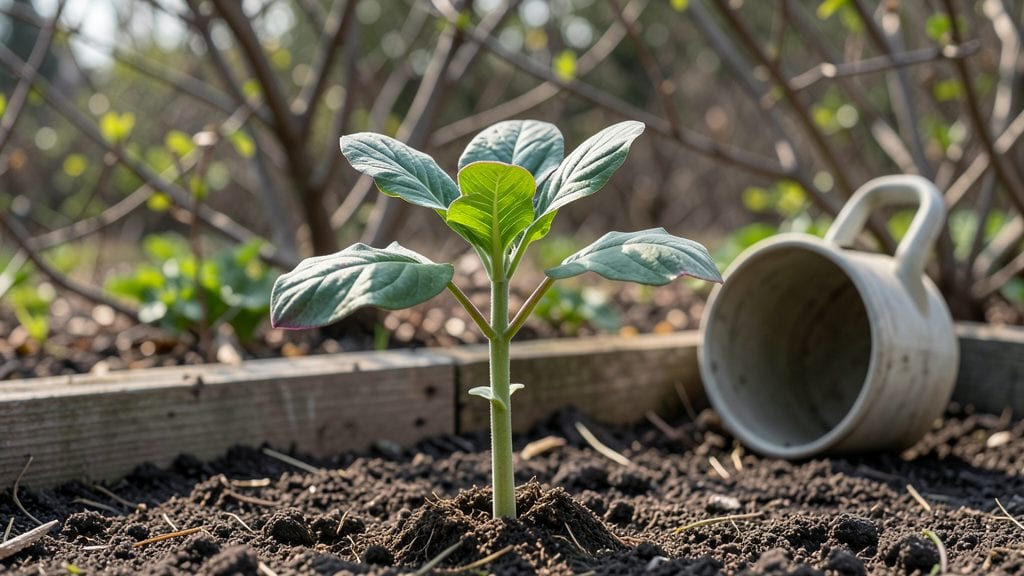
Understanding lettuce seedling stages turns a guessing game into a predictable journey from tiny sprout to crisp harvest. 🌱 I’ve watched my first seedlings bolt in frustration, but now I recognize each stage’s quirks—from the moment they crack through soil to when they’re ready for transplanting.
The difference between a thriving crop and a sad, stunted one often comes down to knowing exactly what to expect at each checkpoint.
At first, you’ll spot the cotyledons—those little shield-shaped leaves that appear within 5-10 days of planting. They’re not true leaves yet, but they’re the seedlings’ first energy source. Then come the true leaves, serrated and vibrant green, signaling it’s time to adjust light and water.
Overwatering here is the biggest mistake—yellowing leaves mean you’re drowning them, not nurturing them.
By 3-4 weeks, your seedlings should be 2-3 inches tall with 4-6 true leaves, ready for transplanting. They’ll handle cooler temps better now, but still need 4-6 hours of sunlight daily.
The real magic happens when you see the heart-shaped leaves forming—this is when they’re building the structure for your harvest. Patience here pays off.
Common pitfalls include overcrowding (thin seedlings to 2 inches apart) and skipping hardening off—gradually exposing them to outdoor conditions for 5-7 days before planting. Once you recognize these stages, you’ll spot problems early, like damping off (a fungal attack) or stunted growth from poor light.
Master these checkpoints, and you’ll go from nervous beginner to confident grower.
📚 In This Guide
- What you need
- Instructions
- Tips and common mistakes
- Wrapping up and next steps
What you need
- ● Seeds: High-quality lettuce seeds (choose from varieties like Buttercrunch, Romaine, or Leaf Lettuce). Quantity: 10–20 seeds per pot or tray (thin later to 4–6 seedlings).
- ● Growing Containers: Seedling trays (biodegradable or plastic, 72–200 cell count).
- ● OR Small pots (3–4 inches deep) with drainage holes.
- ● Potting Mix: Lightweight, seed-starting mix (sterile and well-draining). Avoid garden soil—it’s too dense! Quantity: Enough to fill containers ¾ full.
- ● Watering Can or Spray Bottle: A fine-mist sprayer works best to avoid disturbing seeds.
- ● Grow Lights or Sunny Spot: Indoors: LED grow lights (12–16 hours/day, 6–12 inches above seedlings).
- ● Outdoors: South-facing window or 6+ hours of direct sunlight.
- ○ Heat Mat (Optional but Helpful): For faster germination (70–75°F).
- ● Fertilizer: Water-soluble, balanced fertilizer (5-10-5 or 10-10-10). Dilute to half-strength for seedlings.
- ● Scissors or Knife: For transplanting or thinning seedlings.
- ● Humidity Dome or Plastic Wrap: Keeps moisture in during germination.
- ● pH Test Kit: Ideal pH for lettuce seedlings is 6.0–7.0.
- ● Labeling Tags: Mark varieties and planting dates.
- ● Organic Mulch: After transplanting, use straw or grass clippings to retain moisture.
- ● Insect Nets: Protect seedlings from aphids or pests early on.
Step-by-Step guide to identifying lettuce seedling stages
Watch your lettuce transform from tiny sprouts to harvest-ready plants with these clear visual milestones.
🌱 Step 1: Recognize the Germination Stage (Days 3-10)
The first true sign of success appears when those initial cotyledons push through the soil—tiny, rounded leaves that look like miniature versions of mature lettuce. These aren't the plant's first leaves (those are embryonic), but they're the first you'll see. They usually emerge within 5-7 days at 65-75°F, though cooler temperatures may extend this to 10 days.
Here's the thing—don't water from above once these appear. You'll know moisture is right when the soil surface looks slightly damp but not glistening. Overhead watering can dislodge the delicate seedlings or create a crust that blocks light.
🌿 Step 2: Identify First True Leaves (Days 10-14)
After the cotyledons, watch for the first true leaves—these are the serrated, more complex shapes that resemble adult lettuce. They'll appear in a rosette pattern around the base of the plant. This is when you can start thinning seedlings to 2-3 inches apart if you're growing multiple plants in one container.
Real talk: If your seedlings look leggy and pale at this stage, they're stretching for light. Move them within 4 inches of a grow light or to a sunnier window immediately. You'll see stronger stems and darker green leaves within 24 hours of better light exposure.
☀️ Step 3: Monitor Leaf Development (Weeks 3-5)
By 3 weeks, your lettuce should have 4-6 true leaves and be forming its distinctive head shape. Loose-leaf varieties will spread outward, while head lettuces will start tightening at the center. This is when you can begin fertilizing lightly with a balanced liquid fertilizer (5-5-5 ratio) diluted to half strength.
Check the undersides of leaves for signs of pests like aphids or slugs. Aphids cluster in curled leaves, while slugs leave irregular holes with silvery slime trails. If you spot either, act immediately—these pests can decimate a seedling overnight.
⏰ Step 4: Watch for Harvest Readiness (Weeks 5-8)
For loose-leaf varieties, you can start harvesting outer leaves when they reach 3-4 inches long. The plant will keep producing new growth, so you're not killing it—just encouraging bushier development. Head lettuce is ready when the head feels firm and reaches 3-4 inches in diameter, typically around 6-8 weeks.
Don't wait too long. Overmature lettuce bolts (sends up a tall flower stalk) when days get longer or temperatures rise above 75°F. If you see the center leaves yellowing or the plant sending up a stalk, harvest immediately or move to partial shade to delay bolting.
✂️ Step 5: Handle Post-Harvest Care (Ongoing)
After harvesting, give your plants 1-2 inches of water and a light application of compost or worm castings. This replenishes nutrients and encourages new growth. For loose-leaf varieties, you might get 3-4 harvest cycles before the plant becomes too woody or bolts.
If you're growing head lettuce and harvest the whole plant, replace it with a fast-maturing variety like 'Black Seeded Simpson' or 'Buttercrunch' to maintain a continuous supply. Succession planting every 2 weeks ensures you always have fresh lettuce ready.
Tips & tricks for perfect lettuce seedling development
Mastering lettuce seedling stages transforms your garden from guesswork to precision. Here's what nobody tells you about growing strong, healthy plants.
Light Exposure Secret: In Step 2, when your seedlings look leggy and pale, they're begging for more light. Move them within 4 inches of a grow light immediately—you'll see dramatic improvement in just 24 hours. If using natural light, place them in the sunniest window and rotate the tray daily for even growth. Uneven light causes seedlings to lean toward the source, creating weak stems that can't support the plant's weight.
Temperature Matters: The 65-75°F range in Step 1 is your sweet spot for germination. If your seedlings take longer than 10 days to emerge, your soil might be too cold. Try placing the seed tray on a heat mat or in a warm spot like near your refrigerator (not inside!). Cooler temperatures slow germination, but don't exceed 80°F or seeds may rot before sprouting. A simple thermometer in the soil will become your best friend.
Pest Prevention Strategy: During Step 3, when you're checking for pests, focus on the undersides of leaves where aphids and slugs hide. I've lost entire seedling batches to slugs that left silvery trails at night. Create a beer trap (bury a shallow container filled with beer) near your plants—slugs are attracted to it and drown. For aphids, spray with soapy water (1 tsp mild soap per quart of water) on the undersides where they cluster.
Harvest Timing Hack: For loose-leaf varieties in Step 4, harvest outer leaves when they reach 3-4 inches—this encourages continuous growth. Use clean scissors to cut just above a leaf node. I've extended my harvest season by 3-4 weeks using this method. For head lettuce, wait until the head feels firm when gently squeezed. Overripe lettuce bolts quickly above 75°F, so harvest before you see the center leaves yellowing or a tall stalk emerging.
Pro Tips for Lettuce Seedling Stages
- Mastering lettuce seedling stages transforms your garden from guesswork to precision.
- Light Exposure Secret: In Step 2, when your seedlings look leggy and pale, they're begging for more light.
- Temperature Matters: The 65-75°F range in Step 1 is your sweet spot for germination.
Frequently asked questions
Got questions about nurturing your lettuce seedlings from sprout to salad? You’re not alone! Here are answers to the most common concerns—so you can troubleshoot, time your harvest, and grow like a pro.
How long does it take for lettuce seedlings to sprout?
Most lettuce seeds sprout within 3 to 10 days under ideal conditions (65–75°F soil temp, consistent moisture). Leafy varieties like Buttercrunch or Romaine often appear first, while slower germinators (like Romaine) may take up to 2 weeks. Pro tip: Keep soil damp but not soggy—overwatering can smother seeds!
When should I thin lettuce seedlings, and how?
Thin seedlings when they’re 2–3 inches tall (about 2–3 weeks after sprouting) to give plants 12–18 inches of space (check seed packet guidelines). Use scissors to snip at soil level or gently pull weeds by hand. Save the thinnings! They’re perfect for microgreens or salads.
Why are my lettuce seedlings turning yellow or wilting?
Yellowing leaves often signal overwatering, underwatering, or aphids (common in lettuce!). Check soil moisture—it should feel like a damp sponge. If pests are the culprit, spray with soapy water or introduce ladybugs. Preventative tip: Space seedlings properly to improve airflow and deter diseases.
Can I grow lettuce seedlings indoors under grow lights?
Use full-spectrum LED grow lights 12–16 hours/day, keeping them 6–12 inches above seedlings. Start with leaf lettuce (faster-growing) for beginners. Monitor temperature—lettuce thrives at 60–65°F. Bonus: Rotate trays weekly for even growth.
What’s the best alternative if my lettuce seedlings bolt (go to seed) too fast?
Bolting happens when lettuce senses heat or stress. Try these heat-tolerant varieties:
- Jericho (romaine)
- Black Seeded Simpson (leaf)
- Oakleaf (loose-leaf)
Wrapping up and next steps
Understanding the lettuce seedling stages is your secret weapon for a thriving garden! 🌱 From those tiny sprouts to crisp, ready-to-harvest leaves, each phase is a milestone worth celebrating. With the right care—like proper spacing, watering, and pest control—you’ll turn seedlings into a bountiful crop with confidence.
Ready to level up? Start by planting your next batch today—whether in containers or your backyard. And if aphids or other pests pop up? You’re now equipped to tackle them early! Happy growing! 🌿