Aphids
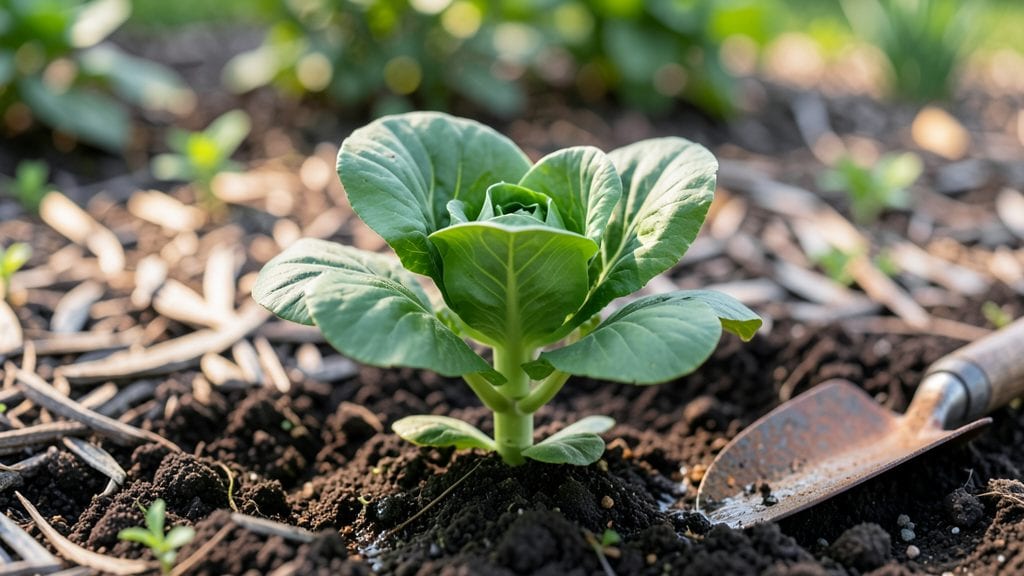
Mastering lettuce seedling identification is the key to saving your salad garden from wilted disappointments—like those sad, squishy victims of damping-off or aphids. 🌱 I’ve spent too many springs pulling up wilted seedlings only to realize they were victims of damping-off or aphids—not just "bad luck."
The key is spotting the early warning signs before they spread.
Start by checking the stems: healthy seedlings stand strong and firm, while damping-off shows as a soft, rotting base that topples over. Look for tiny black spots on leaves—those could be downy mildew—or sticky residue, a dead giveaway for aphids. Slugs leave behind shiny trails and half-eaten leaves, often overnight.
Once you recognize the problem, you’ll act fast: pull infected seedlings, adjust watering, or introduce beneficial insects. A quick fix now saves hours of frustration later. With these visual cues, you’ll spot trouble before it takes over your garden.
This guide works for both containers and in-ground beds, and the tips apply to all leafy greens. Let’s turn those seedlings into a harvest, not a science experiment.
📚 In This Guide
- What you need
- Instructions
- Tips and common mistakes
- Wrapping up and next steps
What you need
- ● Lettuce seedlings: At least 3–5 plants (young and mature stages for comparison). Choose varieties like Romaine, Butterhead, or Leaf Lettuce for best results.
- ○ Hand lens or magnifying glass: A 10x magnification lens (optional but helpful for spotting tiny aphids or fungal spores).
- ● White gloves: A pair to protect your hands while handling plants (latex or nitrile work great).
- ● Notebook & pen: For jotting down observations (or use a phone app like PlantNet for digital notes).
- ● Spray bottle (8 oz): Filled with water or mild soapy water (1 tsp dish soap per quart) for rinsing seedlings.
- ● Ruler or measuring tape: To track seedling growth (inches or centimeters).
- ● UV flashlight: Helps reveal aphid trails or fungal growth under blacklight (UV-A range).
- ● Pest identification chart: Print or save a local aphid/disease guide (e.g., from your state’s agricultural extension service).
- ● Camera with macro mode: For close-up photos of symptoms (e.g., sticky residue, curled leaves).
- ● Neem oil or insecticidal soap: If you’re treating pests on-site (follow label instructions!).
Quick visual guide to identifying healthy vs problematic lettuce seedlings
Skip the guesswork—here's how to spot healthy growth and catch issues early.
🌱 Step 1: Examine Leaf Shape and Color for Healthy Seedlings
Healthy lettuce seedlings have round, smooth-edged leaves that appear in pairs at each growth node. The first true leaves (not the tiny cotyledons) should be bright green and firm to the touch. If leaves look pale or yellow, your seedlings need more light—move them within 6 inches of a sunny window or under grow lights.
Watch for puckered or irregular leaf edges, which signal overwatering. The soil should feel like a damp sponge—not dripping wet. If leaves appear dark green and glossy, you're overdoing it. Strong seedlings also grow upright with stems about 1 inch tall after 2 weeks.
🐛 Step 2: Check for Common Pests on Seedling Stems and Leaves
Look closely for tiny black specks crawling on leaves—these are aphids, which cluster on new growth. Run your finger over the stems; if you feel a sticky residue, aphids are feeding. Remove them by spraying seedlings with a soapy water solution (1 tsp mild soap per quart of water) and rinse after 1 hour.
For white, cottony webs on stems or soil, you're dealing with fungus gnats. These pests thrive in damp soil. Let the top inch dry out between waterings, and avoid overhead watering once seedlings emerge. You'll know the problem's gone when you no longer see tiny black flies hovering around the tray.
🌿 Step 3: Identify Disease Symptoms Before They Spread
Damping-off is the most common lettuce seedling killer—look for blackened stems at soil level that cause seedlings to collapse like snapped toothpicks. This fungal disease thrives in crowded, overly moist conditions. Thin seedlings to 1 inch apart immediately, and water only at the base from now on.
Yellowing leaves with brown spots and white fuzzy growth indicate downy mildew. This disease spreads quickly in humid conditions. Remove affected seedlings right away and improve air circulation by spacing plants 3-4 inches apart. A preventive spray of neem oil (1 tbsp per quart of water) applied every 5 days keeps it at bay.
✂️ Step 4: Compare Problem Seedlings to Healthy Ones Side by Side
Place questionable seedlings next to confirmed healthy ones to spot subtle differences. Healthy roots should be white and fibrous, while rotting roots turn mushy and dark brown. Gently tug on seedlings—if they pull out easily with minimal soil resistance, their roots aren't developing properly.
For stunted growth, check the bottom of leaves for tiny white eggs or larvae. These are cabbage loopers or cutworms. Remove them by hand (wear gloves) or apply Bacillus thuringiensis (Bt) spray at dusk. You'll see improvement within 3-5 days of treatment.
⏰ Step 5: Take Action Based on What You See
If you spot any issues, act immediately—lettuce seedlings deteriorate fast. For pests, isolate affected plants and treat the entire tray. For diseases, remove infected seedlings and sterilize your tools with 70% isopropyl alcohol. Healthy seedlings should show new growth within 3-5 days after treatment.
Remember: prevention is easier than cure. Maintain consistent moisture (not soggy soil), provide bright light, and keep seedlings well-spaced. When in doubt, snap a photo and compare it to online seedling guides—you'll quickly learn to spot problems before they become crises.
Tips & tricks for perfect lettuce seedling identification
Don't let tiny problems turn into big disasters—here's how to spot issues before they ruin your seedlings.
Lighting is Everything: I can't stress this enough—natural sunlight is your best friend for healthy seedlings. Place your tray within 6 inches of a sunny window or use a grow light for 12-14 hours daily. Pale yellow leaves? That's your first sign they're not getting enough light. I've seen seedlings go from weak to thriving in just 3 days after moving them to better light conditions.
Prevention is Faster Than Cure: The best way to avoid damping-off (that blackened stem disease) is to thin seedlings to 1 inch apart immediately after they sprout. Crowded seedlings create the perfect humid environment for fungal growth. I've saved countless trays by thinning early—it takes just 5 minutes and prevents weeks of heartache. Remember, water only at the base after thinning to keep stems dry.
Pest Patrol Made Easy: Keep a small spray bottle of soapy water (1 tsp mild soap per quart of water) handy for quick aphid treatments. When you see those tiny black specks, act fast—spray and rinse after 1 hour. For fungus gnats, let the top inch of soil dry completely between waterings. I've eliminated gnat problems by simply switching to bottom-watering with a tray of water instead of overhead spraying.
Root Check Secret: Here's what nobody tells you—healthy roots should feel like white, firm threads when you gently tug seedlings. If they pull out easily with little resistance, their roots aren't developing properly. This simple test takes seconds and can save you from replanting. I always check roots when I notice stunted growth—it's often the key to diagnosing the real problem.
Pro Tips for Lettuce Seedling Identification
- Don't let tiny problems turn into big disasters—here's how to spot issues before they ruin your seedlings.
- Lighting is Everything: I can't stress this enough—natural sunlight is your best friend for healthy seedlings.
- Prevention is Faster Than Cure: The best way to avoid damping-off (that blackened stem disease) is to thin seedlings to 1 inch apart immediately after they sprout.
Frequently asked questions
How can I tell if my lettuce seedlings are healthy vs. infected?
Healthy seedlings have bright green leaves, sturdy stems, and a compact growth habit. Look for yellowing (chlorosis), stunted growth, or spots/mold as red flags. Aphids or fungal diseases (like downy mildew) often cause sticky residue or fuzzy growth on leaves.
When is the best time to check seedlings for pests or diseases?
Inspect seedlings every 2–3 days during germination (first 2 weeks) and daily once they sprout. Early detection is key! Check undersides of leaves (aphids love hiding there) and soil moisture levels—overwatering can invite fungal issues.
What are some alternatives if my seedlings get infected?
If pests or diseases strike, try these fixes:
- Neem oil spray (natural pesticide/fungicide)
- Soapy water (1 tsp mild soap + 1 quart water) to blast aphids
- Replant in fresh soil if fungal diseases spread
How do I distinguish aphids from other tiny pests on lettuce?
Aphids are tiny (1/16"–1/8"), pear-shaped, and often clustered on new growth. They leave sticky honeydew (which attracts ants!). Other pests like slugs leave irregular holes, while thrips cause silver streaks on leaves.
My seedlings are wilting—is it over/underwatering or a disease?
Check the soil first:
- Dry soil + crisp leaves = underwatering
- Mushy stems + yellowing = overwatering/fungal rot
- Sudden droop + no soil issues = Possible aphid stress or vascular disease (like lettuce mosaic virus). Isolate affected plants!
Does temperature affect lettuce seedling health?
Yes! Ideal temps: 60–70°F (15–21°C) for germination. Heat stress (>85°F/30°C) causes bolting (premature flowering), while cold snaps (<50°F/10°C) slow growth. Use row covers or shade cloth in extreme weather.
Wrapping up and next steps
Identifying lettuce seedlings early can save your harvest from aphids and diseases! By recognizing key signs—like curled leaves, sticky residue, or discoloration—you’ll act fast and protect your garden. Don’t let pests slow you down: armed with this guide, you’re ready to spot issues and keep your seedlings thriving.
Now’s the perfect time to inspect your plants and take action! 🌱 Whether you’re a beginner or seasoned gardener, check your seedlings weekly and treat problems before they spread. Happy growing!