Propagation
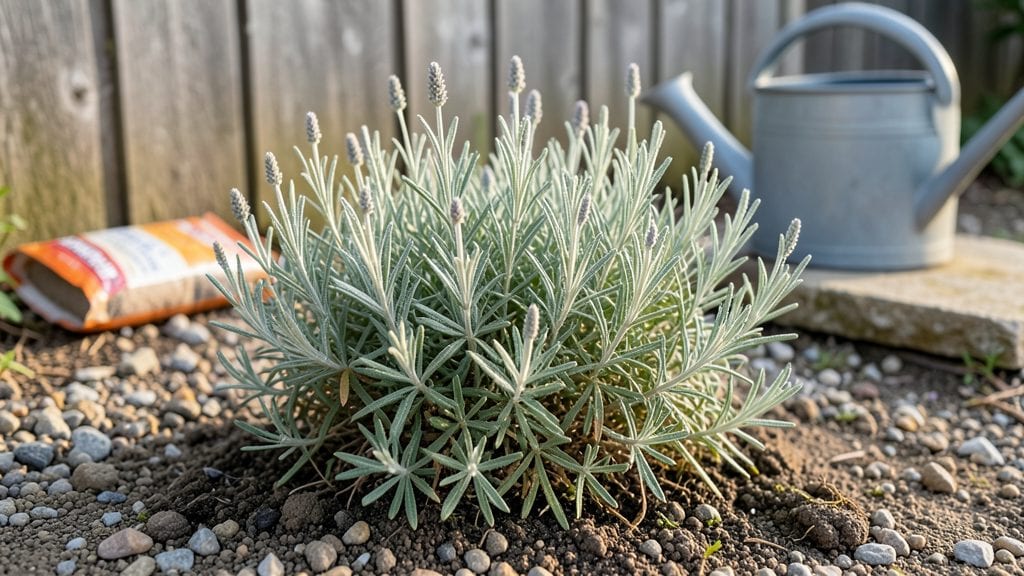
Lavender seedlings need their leaves handled just right—too much harvesting weakens them, but proper care keeps them healthy and strong. I’ve learned the hard way that snipping too many leaves at once turns vibrant seedlings into leggy, struggling plants. The secret is patience and precision.
Yellowing or wilting leaves usually mean over-harvesting or underwatering. Lavender roots are shallow, so they need consistent moisture—not soggy soil, just enough to keep the top inch damp. When you do harvest, take only the top third of the stem to avoid shocking the plant.
Healthy lavender leaves should be silver-green and firm to the touch. If you see soft spots or brown edges, it’s time to adjust your watering or check for pests like spider mites. A light spray of neem oil can work wonders for early infestations.
With the right balance, your seedlings will grow into fragrant, bushy plants that thrive for years. The key is gentle harvesting—never more than 10% of the plant at once—and always using clean, sharp scissors to avoid tearing the stems.
Root Causes of Leaf Stress
Understanding why your lavender seedling leaves show signs of distress—whether yellowing, wilting, or browning—starts with identifying the underlying triggers. Lavender is a hardy plant, but seedlings are particularly sensitive to environmental and care-related factors.
Let’s break down the most common reasons behind these issues, so you can address them with precision.
Lavender seedlings thrive in well-drained soil and hate soggy roots.
When water accumulates around the roots, oxygen deprivation occurs, leading to: - Yellowing leaves (chlorosis) due to nutrient uptake failure. - Mushy stems or blackened roots from fungal infections (like Phytophthora). - Stunted growth as the plant struggles to absorb water efficiently.
Why it happens: Lavender’s native Mediterranean habitat means it’s adapted to dry, rocky soils. Seedlings planted in heavy clay or poorly amended garden soil retain excess moisture, suffocating roots. Even overzealous watering—especially in containers without drainage holes—can drown the roots.
Actionable fix:
- Use a sandy, gritty potting mix (50% native soil + 50% perlite/pumice).
- Water only when the top inch of soil is dry—stick your finger in to test.
- Elevate pots on gravel or saucers to prevent waterlogging.
While overwatering is the bigger villain, chronic underwatering can also stress lavender seedlings, causing:
- Dry, crispy leaf edges (necrosis) from dehydration.
- Wilting even when soil feels slightly moist (lavender’s roots are shallow).
- Premature leaf drop as the plant conserves energy.
Why it happens: Lavender’s shallow root system absorbs water quickly, but seedlings lack the resilience of mature plants. If the soil dries out too fast (common in sandy soils or hot climates), the leaves lose turgor pressure, leading to irreversible damage.
Actionable fix:
- Mulch lightly with gravel (not organic mulch—it retains moisture).
- Water deeply but infrequently—aim for 1–2 times per week in summer, less in winter.
- Group seedlings together to create a microclimate that retains humidity.
Lavender is a low-fertility lover, and seedlings often suffer from:
- Yellowing between leaf veins (iron/chlorosis) from over-fertilization or poor soil structure.
- Purple-tinged leaves (phosphorus deficiency) if soil lacks organic matter.
- Weak, leggy growth from excessive nitrogen (common with compost-heavy soil).
Why it happens: Seedlings planted in rich garden soil or fertilized too early get a nutrient burn, where salts accumulate in the root zone, blocking water uptake. Conversely, bare mineral soil (like pure sand) lacks micronutrients like iron or magnesium.
Actionable fix:
- Test soil pH (ideal: 6.0–7.5). Lavender prefers slightly alkaline conditions.
- Avoid synthetic fertilizers—use a balanced organic option (like 5-5-5) sparingly (once in spring).
- Amend soil with crushed eggshells (for calcium) or kelp meal (for micronutrients).
Seedlings are magnets for pests like:
- Aphids or spider mites (sap-sucking insects causing sticky leaves or silver webbing).
- Fungal pathogens (e.g., Botrytis or Powdery Mildew) thriving in high humidity or crowded plants.
- Root rot from nematodes in contaminated soil.
Why it happens: Weak seedlings lack the defenses of mature lavender. Stagnant air (from overcrowding) or wounded leaves (from rough handling) invite pests and diseases. Even splashing water during irrigation can spread spores.
Actionable fix:
- Isolate new seedlings for 2 weeks to monitor for pests.
- Spray with neem oil (1 tsp per liter of water) weekly if pests appear.
- Prune affected leaves immediately and dispose of them (don’t compost).
- Space seedlings 12–18 inches apart for airflow.
Lavender seedlings are sensitive to extreme temps, leading to:
- Brown, curled leaves from heat stress (above 90°F/32°C).
- Blackened tips or leaf drop from cold snaps (below 40°F/4°C).
- Sunburn spots (white/yellow patches) if moved from shade to full sun too quickly.
Why it happens: Native to Mediterranean climates, lavender handles hot, dry days but struggles with rapid temperature swings or prolonged humidity. Seedlings lack the woody stems of mature plants to regulate heat.
Actionable fix:
- Acclimate seedlings gradually to full sun (start with morning sun only).
- Provide shade cloth (30–50%) if temps exceed 95°F/35°C.
- Mulch with gravel to stabilize soil temps and reduce evaporation.
- Avoid transplanting in frost—wait until nighttime temps stay above 50°F/10°C.
Even with careful handling, root damage during repotting or moving can cause:
- Wilting or leaf drop as the plant diverts energy to regrowing roots.
- Slow recovery if the root ball was too compacted or roots were trimmed improperly.
Why it happens: Lavender has a fibrous, shallow root system that’s easily damaged. Over-potting or rough handling during transplanting severs fine roots, reducing the plant’s ability to absorb water and nutrients.
Actionable fix:
- Repot only when necessary (seedlings prefer being slightly root-bound).
- Use the "slip-and-slide" method: Gently ease the seedling out by sliding a knife around the root ball.
- Water lightly before transplanting to reduce stress.
- Avoid fertilizing for 4–6 weeks post-transplant.
Revive Your Lavender Seedlings Naturally
When your lavender seedlings’ leaves show signs of stress—whether from overwatering, pests, or improper care—don’t panic. With the right approach, you can nurse them back to health while keeping their roots strong. Below are targeted fixes for common issues, plus proactive tips to prevent future problems. Let’s get your seedlings thriving again!
If leaves turn yellow, wilt, or feel mushy, your seedlings may be drowning in moisture. Root rot thrives in soggy soil, suffocating roots and starving leaves of oxygen.
🔥 Step-by-Step Fix:
- 👨🍳 Stop Watering Immediately
- Let the soil dry out completely before watering again. Stick your finger 1–2 inches deep—if it’s damp, wait.
- 🥘 Improve Drainage
- Repot the seedlings into a well-draining mix: Combine 50% potting soil, 30% perlite, and 20% coarse sand (or pumice). Avoid heavy garden soil.
- ⏰ Trim Damaged Roots (If Severe)
- Gently remove the seedling from its pot and snip away any black, mushy roots with sterilized scissors. Replant in fresh, dry soil.
- 🌡️ Adjust Your Watering Routine
- Lavender seedlings hate wet feet! Water only when the top inch of soil is bone-dry, and use a pot with drainage holes.
💡 Prevention Tips:
- 🎯 Use a moisture meter to track soil dryness accurately.
- ✨ Water at the base—never overhead—to avoid fungal spores on leaves.
- 🌿 Choose terracotta pots (they dry faster than plastic).
Chewed edges, sticky residue, or tiny webs on leaves? Pests like aphids, spider mites, or whiteflies can drain your seedlings’ vitality overnight. Act fast before they spread.
🔥 Step-by-Step Fix:
- 🔪 Inspect Closely
- Hold a magnifying glass over leaves to spot pests. Common culprits:
- Aphids (tiny green/black bugs)
- Spider mites (tiny yellow dots + webbing)
- Whiteflies (tiny white moths that flutter when disturbed)
- Hold a magnifying glass over leaves to spot pests. Common culprits:
- 🍳 Blast Off Pests - For mild infestations: Spray leaves with a soapy water solution (1 tsp mild dish soap + 1 quart water). Repeat every 3–4 days. - For stubborn pests: Use neem oil spray (1 tbsp neem oil + 1 tsp soap + 1 quart water).
Shake well and spray undersides of leaves.
- 🌿 Isolate Infected Seedlings
- Keep them away from healthy plants until pests are gone. Check nearby seedlings daily.
💡 Prevention Tips:
- 🌡️ Encourage beneficial insects like ladybugs or lacewings by planting marigolds nearby.
- 🎯 Avoid over-fertilizing—soft, new growth attracts pests.
- ✨ Quarantine new plants for 2 weeks before introducing them to your lavender batch.
Crispy, brown leaf edges or bleached patches? Your seedlings might be getting too much direct sun (especially in hot climates) or not enough water to handle the heat.
🔥 Step-by-Step Fix:
- 🌿 Gradually Acclimate to Sun
- If seedlings were indoors or in shade, move them to partial sun (3–4 hours/day) for 1 week before full sun exposure.
- 💧 Boost Hydration
- Water deeply in the early morning to reduce evaporation. Mulch with gravel or pebbles (not organic mulch) to retain moisture.
- 🏠 Provide Temporary Shade
- Use a light shade cloth (30–50%) for 2–3 days if leaves show severe scorching. Remove once new growth appears.
💡 Prevention Tips:
- 🎯 Start seedlings in partial shade before transitioning to full sun.
- 🌡️ Water at soil level (not overhead) to prevent heat stress.
- ✨ Choose heat-tolerant lavender varieties like ‘Grosso’ or ‘Provence’ for hot climates.
Pale, yellowing leaves or stunted growth? Your seedlings might need a balanced boost—but lavender is low-maintenance, so avoid overdoing it.
🔥 Step-by-Step Fix:
- 📊 Test Your Soil
- Use a DIY soil test kit to check pH (lavender prefers 6.0–7.5) and nutrient levels.
- 🥗 Apply a Gentle Fertilizer
- Mix ½ tsp of balanced fertilizer (10-10-10) into the soil or use a fish emulsion (1 tbsp per gallon of water) every 6–8 weeks.
- 🌿 Avoid Over-Fertilizing
- Too much nitrogen causes soft, weak leaves prone to pests. Stick to half-strength applications if unsure.
💡 Prevention Tips:
- 🎯 Use compost tea (not fresh manure) for a slow-release nutrient boost.
- ✨ Rotate with cover crops like clover to naturally enrich soil.
- 🌡️ Monitor leaf color:
- Yellow lower leaves = nitrogen deficiency.
- Purple stems = phosphorus deficiency (add bone meal).
With these fixes, your lavender seedlings should bounce back within 2–4 weeks. Remember: patience and consistency are key—lavender rewards gentle care with fragrant, resilient growth. Happy reviving! 🌿✨
Frequently asked questions
Why are my lavender seedling leaves turning yellow?
Yellowing leaves usually signal overwatering or poor drainage. Lavender seedlings thrive in well-drained soil and hate soggy roots. Check if the soil stays damp for more than a day—this can suffocate roots and block nutrient uptake. Use a sandy potting mix with perlite and water only when the top inch feels dry.
Can I harvest leaves from my lavender seedlings?
Yes, but with caution! Only take 10% or less of the plant at a time, and never more than the top third of the stem. Harvesting too much weakens seedlings, causing them to grow leggy. Wait until they’re at least 6 inches tall and have 5-7 healthy leaves before harvesting. Always use clean scissors to avoid tearing stems.
How do I know if my lavender seedling leaves are healthy?
Healthy lavender seedling leaves should be silver-green, firm to the touch, and upright. Look for vibrant color and no brown edges or spots. If leaves feel soft, wilt easily, or have brown tips, it’s a sign of overwatering, underwatering, or heat stress. A light spray of water should make them perk up temporarily.
What should I do if my lavender seedling leaves develop brown spots?
Brown spots often indicate fungal issues (like powdery mildew) or sunburn. First, check for pests like spider mites. If it’s fungal, improve airflow by spacing plants 12-18 inches apart and avoid overhead watering. For sunburn, move seedlings to partial shade for a few days while they recover. Neem oil can help prevent fungal spread.
How often should I fertilize lavender seedlings?
Lavender seedlings need very little fertilizer—overdoing it causes nutrient burn. Use a balanced organic fertilizer (5-5-5) once in early spring, diluted to half strength. Avoid synthetic fertilizers, which can harm their delicate roots. Instead, amend soil with crushed eggshells or kelp meal for natural nutrients.